
Peninsula travel itinerary guide searches usually mean one thing: you want a trip that feels easy on the ground, not just pretty in a browser tab. Peninsulas can be deceptively simple on a map, but real travel comes down to timing, road conditions, and knowing where to slow down.
This guide focuses on building a flexible plan you can actually follow, whether you have a long weekend or a full week. I’ll show you how to choose a “base,” when to move hotels, how to avoid rushed driving days, and how to match your itinerary to your travel style.
Quick note on geography: “the Peninsula” could mean many places, from the Olympic Peninsula to Baja to the Florida panhandle. The framework here is designed to work in most peninsula destinations, with practical knobs you can adjust for your specific region.
Start here: the 3 decisions that make or break a peninsula trip
If you only do three things, do these. Most itinerary stress comes from skipping them and then trying to patch holes mid-trip.
- Pick your anchor towns: one base for 2–4 nights is calmer than switching hotels daily.
- Choose your “pace”: scenic drives and coastal stops take longer than GPS suggests.
- Decide your must-dos: limit to 1–2 priority experiences per day, everything else becomes optional.
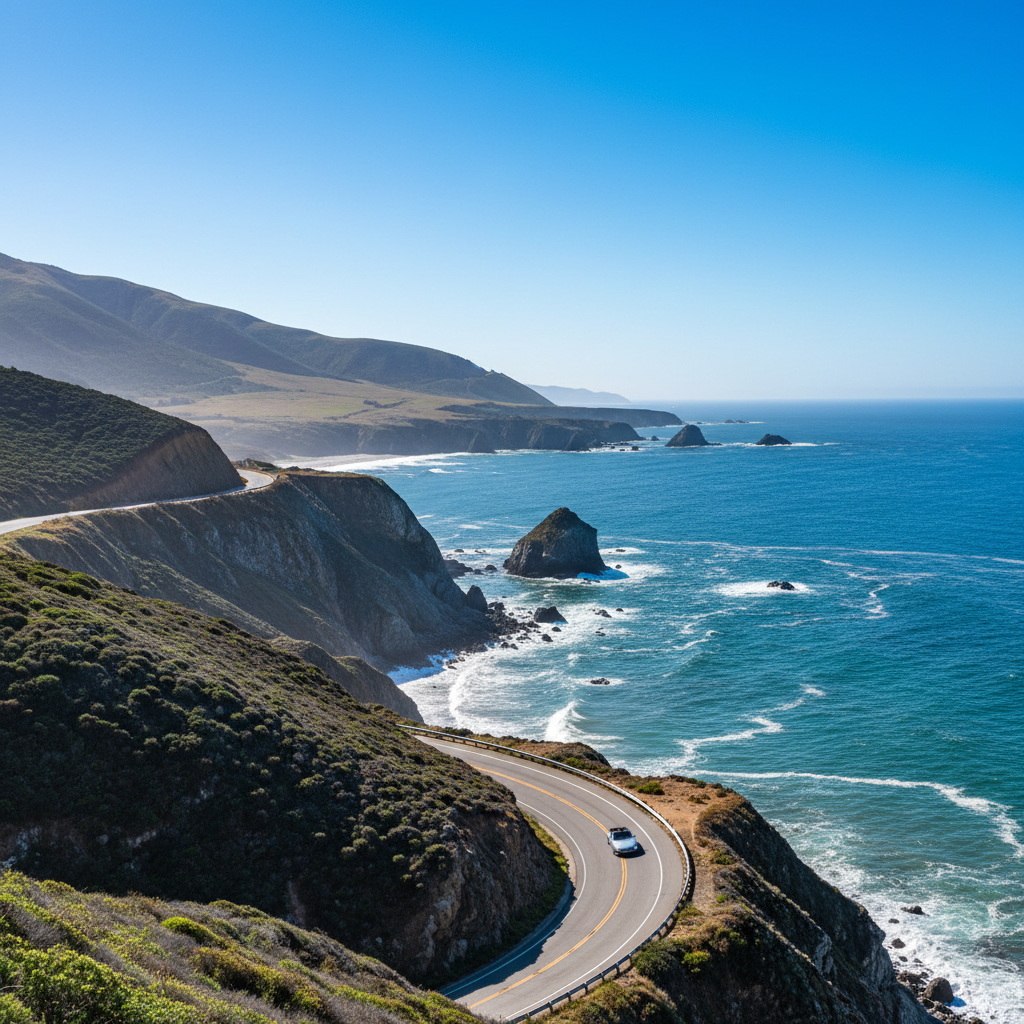
Common itinerary pitfalls (and why they happen)
People rarely “plan badly,” they plan optimistically. Peninsulas amplify that because roads often funnel into a few routes, and weather can change the day fast.
- Underestimating drive time: narrow roads, viewpoints, and slow scenic sections add friction.
- Too many “micro-stops”: five quick stops can eat half a day once you park, walk, and reset.
- Ignoring reservation realities: popular beaches, parks, ferries, and timed-entry sites may require advance booking.
- No buffer: a single closure or heavy fog can domino through your whole plan.
According to the National Park Service, visitors should check current conditions, road status, and seasonal alerts before heading into park areas. That advice matters even more on peninsulas where detours can be long.
Self-check: what kind of peninsula itinerary fits you?
This quick checklist helps you choose a structure that won’t feel like a daily sprint.
- You’ll like a single-base plan if you travel with kids, dislike constant packing, or want repeat access to one beach/town.
- You’ll like a two-base plan if the peninsula has distinct “sides” (ocean vs bay) and you want shorter daily drives.
- You’ll like a one-way loop if you’re flying into one airport and out of another, or you want a classic road-trip feel.
Also be honest about your days: if you want sunrise photos and late dinners, you need midday downtime. If you’re a “wake up and go” traveler, you can pack in more stops without feeling irritated.
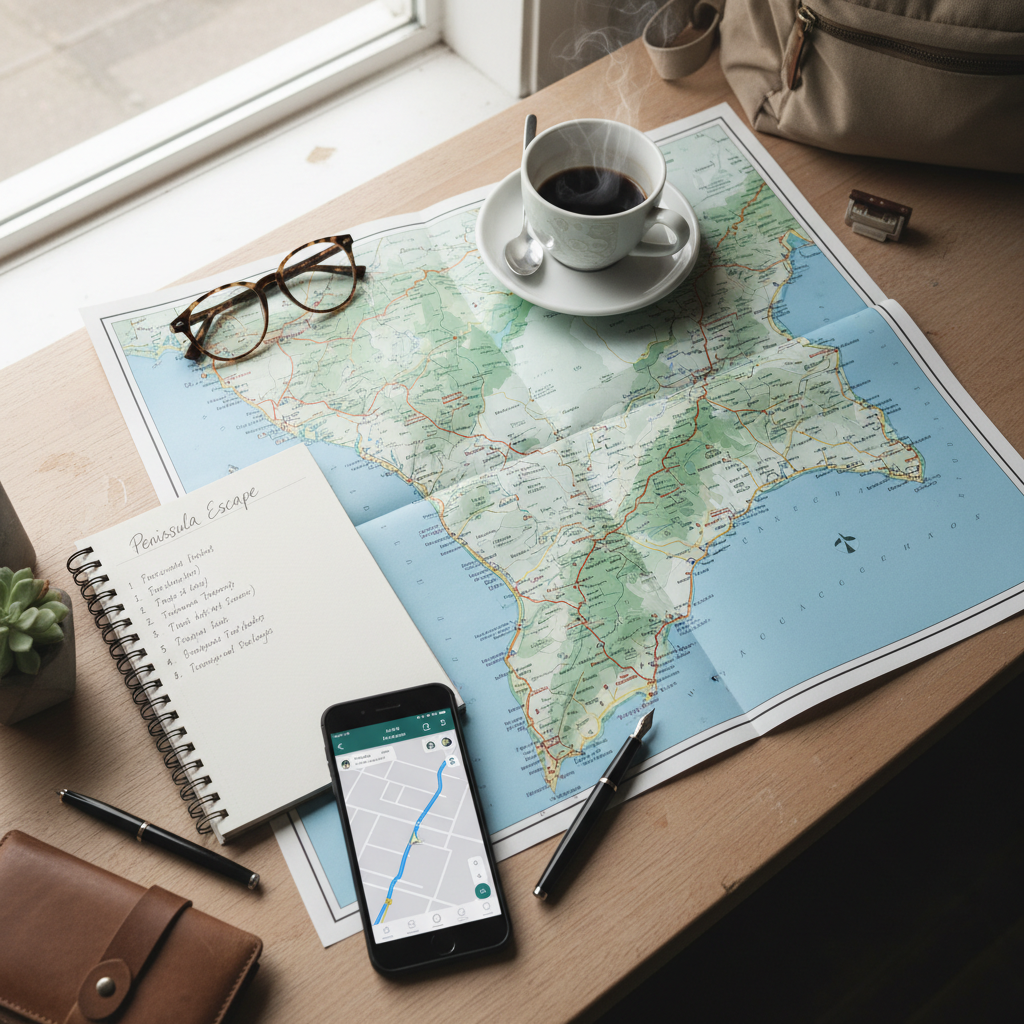
3 sample itineraries you can copy (and adjust)
Use these as templates. Swap in your peninsula’s equivalents: “north coast” might mean rugged beaches, “inland” might mean wineries or forests, and “south tip” might mean the iconic viewpoint.
Option A: 3-day long weekend (single base)
- Day 1 (arrival + easy wins): check in, coastal walk, one viewpoint, casual dinner.
- Day 2 (flagship day): your #1 highlight early, picnic lunch, one short hike, sunset spot.
- Day 3 (flex + depart): farmers market or lighthouse, quick beach stop, head out before traffic.
Option B: 5-day balanced trip (two bases)
- Days 1–2: Base Town A, explore one side of the coast, add a “bad weather backup” museum/aquarium.
- Day 3: scenic transfer day, 2–3 curated stops only, arrive Base Town B before dinner.
- Days 4–5: Base Town B, focus on hikes, beaches, or boat tours, leave one morning open.
Option C: 7-day road trip loop (move most days, but with strategy)
- Days 1–2: gateway city + easy nature, adjust to time zone, stock snacks/essentials.
- Days 3–5: rotate through 2–3 regions, keep drives under a comfortable limit for your group.
- Days 6–7: slow down near the departure hub, last big viewpoint on the earlier day, not departure day.
A planning table that keeps your days realistic
If you’re building your own peninsula travel itinerary guide, this table is the sanity check. It forces you to account for the “hidden time” that makes schedules slip.
| Day | Primary focus (1–2) | Drive budget | Reservations | Weather backup |
|---|---|---|---|---|
| 1 | Arrival + short walk | 1–2 hrs | Hotel check-in | Local museum/cafe |
| 2 | Flagship highlight + sunset | 2–4 hrs | Park entry/tour | Scenic drive loop |
| 3 | Flexible stops + depart | 1–3 hrs | None if possible | Market + indoor lunch |
Practical, on-the-ground tips (packing, driving, timing)
This is the part people wish they had before day one. None of it is glamorous, but it keeps the trip smooth.
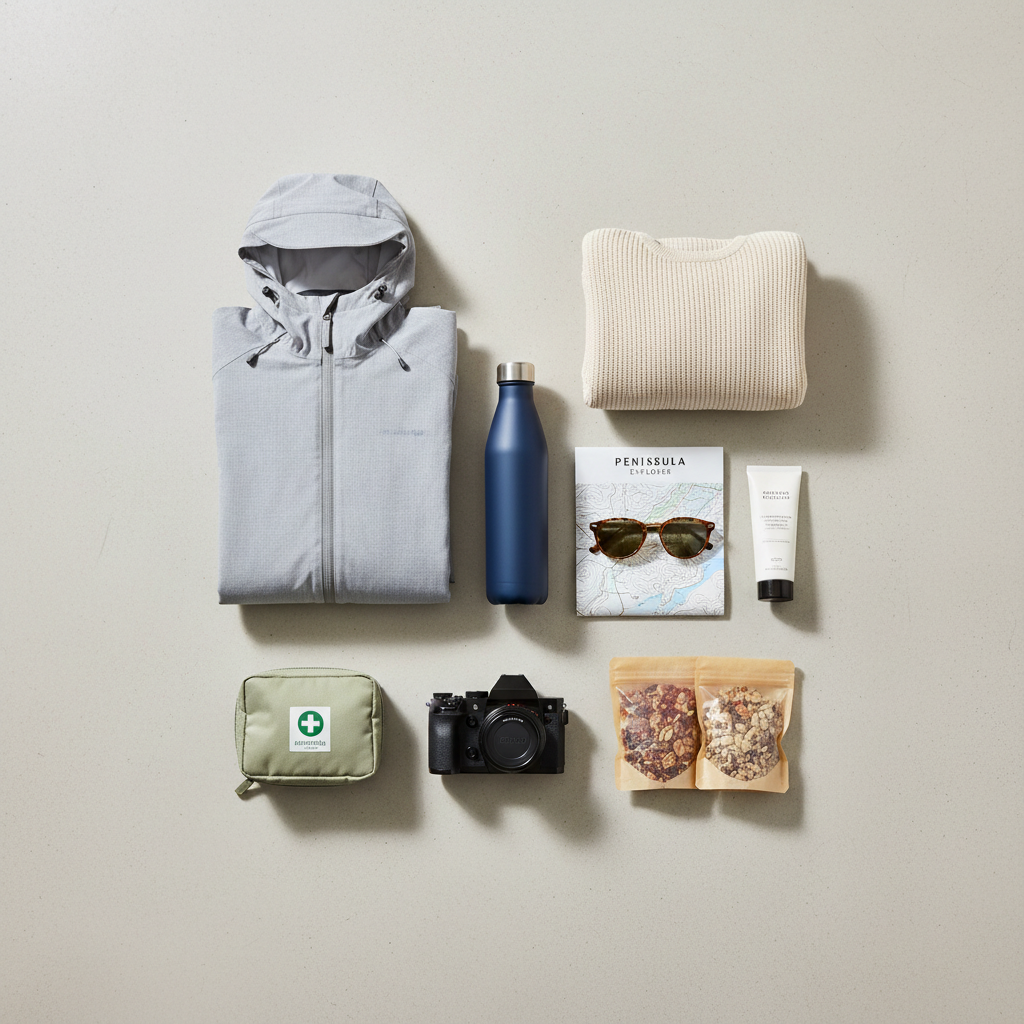
- Pack for microclimates: peninsulas often swing between wind, fog, and sun in one day.
- Start early on “icon” days: it’s not just crowds, it’s parking and trailhead capacity.
- Keep one meal unplanned: you’ll stumble into a place you want to try, and rigid plans create friction.
- Download offline maps: coverage can drop in coastal or forested stretches.
- Fuel and bathrooms: top off before long scenic segments, services can be spaced out.
According to the Federal Highway Administration, safe driving includes planning for weather and road conditions; for coastal routes, that can mean reduced visibility, slick roads, or unexpected slowdowns. If conditions look questionable, it’s usually smarter to pivot to your backup plan.
Key takeaways you can use immediately
- Anchor your trip with one or two base towns, then day-trip out.
- Protect your flagship experience by scheduling it early and adding a buffer.
- Use a drive-time budget instead of trusting the fastest route estimate.
- Build a weather backup for at least one day, you’ll feel less “held hostage” by forecasts.
When to get local or professional help
Most trips don’t need a planner, but some scenarios benefit from expert input. If your peninsula includes backcountry routes, open-water activities, or remote roads, consider checking with local rangers, visitor centers, or a qualified guide.
- If you’re planning long hikes or shoulder-season routes, ask about trail conditions and permits.
- If you’re booking boating, whale watching, diving, or surfing, follow operator safety briefings and ask about weather thresholds.
- If you have mobility needs, local tourism offices often know the most reliable accessible viewpoints and beaches.
Conclusion: build a plan that leaves room for the peninsula to surprise you
A good peninsula travel itinerary guide isn’t about squeezing every overlook into one trip, it’s about choosing a rhythm you can enjoy even when something runs late. Start with base towns, protect one big highlight per day, and give yourself a real buffer for weather and road quirks.
If you want an easy next step, draft your trip using the planning table above, then cut one stop from each day, most itineraries instantly feel better after that trim.
FAQ
- How many days do I need for a peninsula trip?
Many travelers feel comfortable with 3–5 days for highlights, while 7 days works better if you want slower mornings, hikes, and more than one region without long daily drives. - Is it better to stay in one place or move hotels?
One base reduces friction, two bases often fit larger peninsulas where driving across takes time. Moving every night can work, but it tends to shrink your actual exploration time. - How do I estimate real drive times on scenic coastal roads?
Add time for parking, viewpoints, and slower segments, then add a buffer if you’re traveling in peak season. If the day already looks tight, it probably is. - What should I prioritize if weather turns bad?
Swap beaches and overlooks for sheltered hikes, scenic drives, museums, food stops, or hot springs where available. Keep your “icon” activity for the clearest window you can find. - Do I need reservations for popular peninsula attractions?
Often, yes, especially for tours, ferries, and timed-entry parks. Check official sites early, and avoid stacking multiple fixed-time bookings in one day. - What’s a simple packing list for a peninsula vacation?
Layers, rain protection, sun protection, comfortable shoes, refillable water, offline maps, and snacks. Microclimates are common, so plan for warm and cool conditions even in the same day. - How can I make a peninsula itinerary kid-friendly?
Shorten drives, add playground or beach time, and keep one “anchor activity” daily. A predictable base town also helps with naps, early dinners, and calmer mornings.
If you’re building a peninsula trip and you already have a few towns or must-see stops in mind, a lighter-weight plan usually works best, share your rough dates, travel pace, and non-negotiables, and you can turn this framework into a clean, day-by-day outline without overbooking yourself.