
The best travel towel quick dry microfiber is the one that dries fast in your exact climate, doesn’t turn funky after a couple uses, and packs down without feeling like a chore to use.
If you’ve ever hung a “quick-dry” towel in a hostel room or an RV overnight and it still felt damp in the morning, you already know why this matters, comfort is part of travel, and so is not carrying extra weight.
This guide breaks down what actually changes performance (fabric blend, GSM, weave, sizing, odor control), plus a quick checklist and a comparison table so you can choose with confidence instead of guessing from marketing labels.
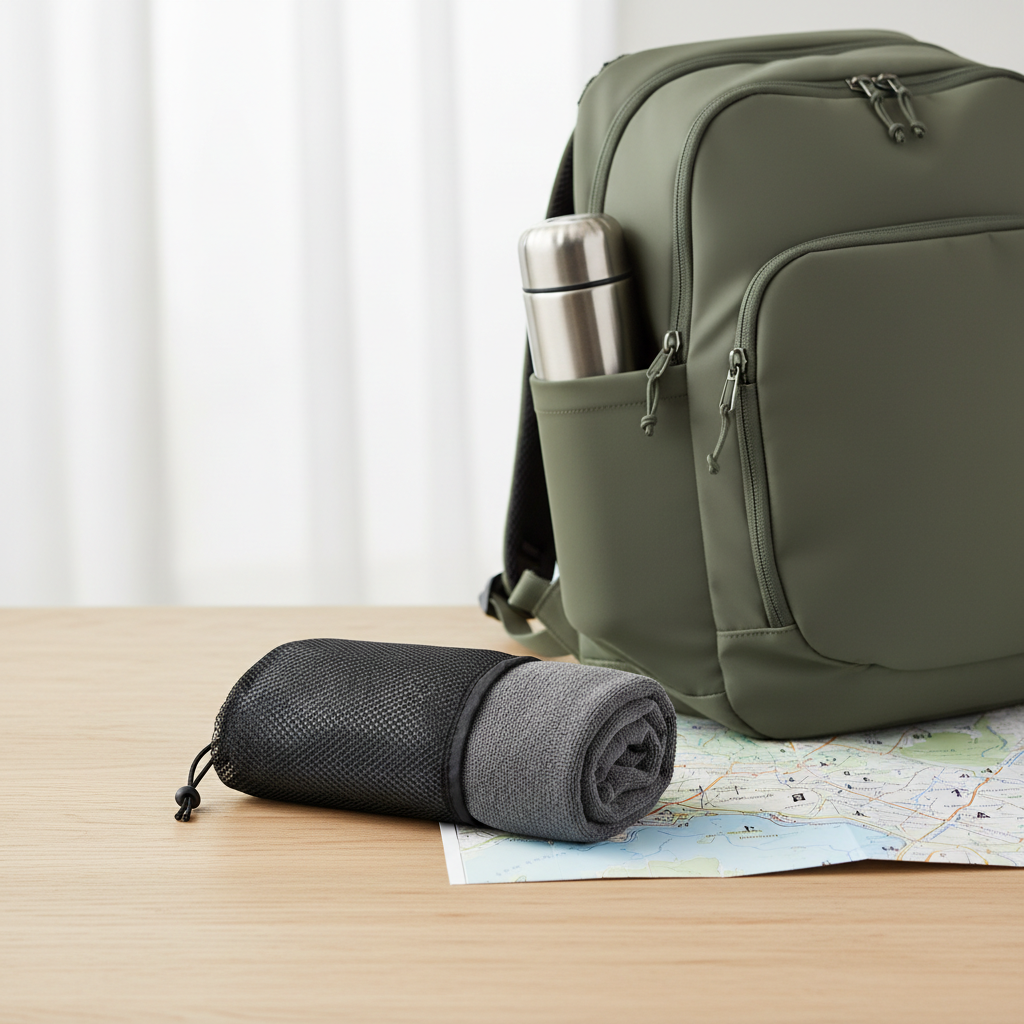
What “quick-dry microfiber” really means (and why some towels still stay damp)
Microfiber towels usually use polyester and polyamide (nylon) fibers split very fine, which increases surface area so water spreads out and evaporates faster. That’s the theory.
In real use, drying speed depends on more than “microfiber” on the label. Humidity, airflow, towel thickness, and even how you wring it out can make a big difference.
Key terms you’ll see (and how to read them)
- GSM (grams per square meter): Higher GSM often feels plusher but can dry slower. Lower GSM packs smaller and dries faster, but can feel “grabby” on skin.
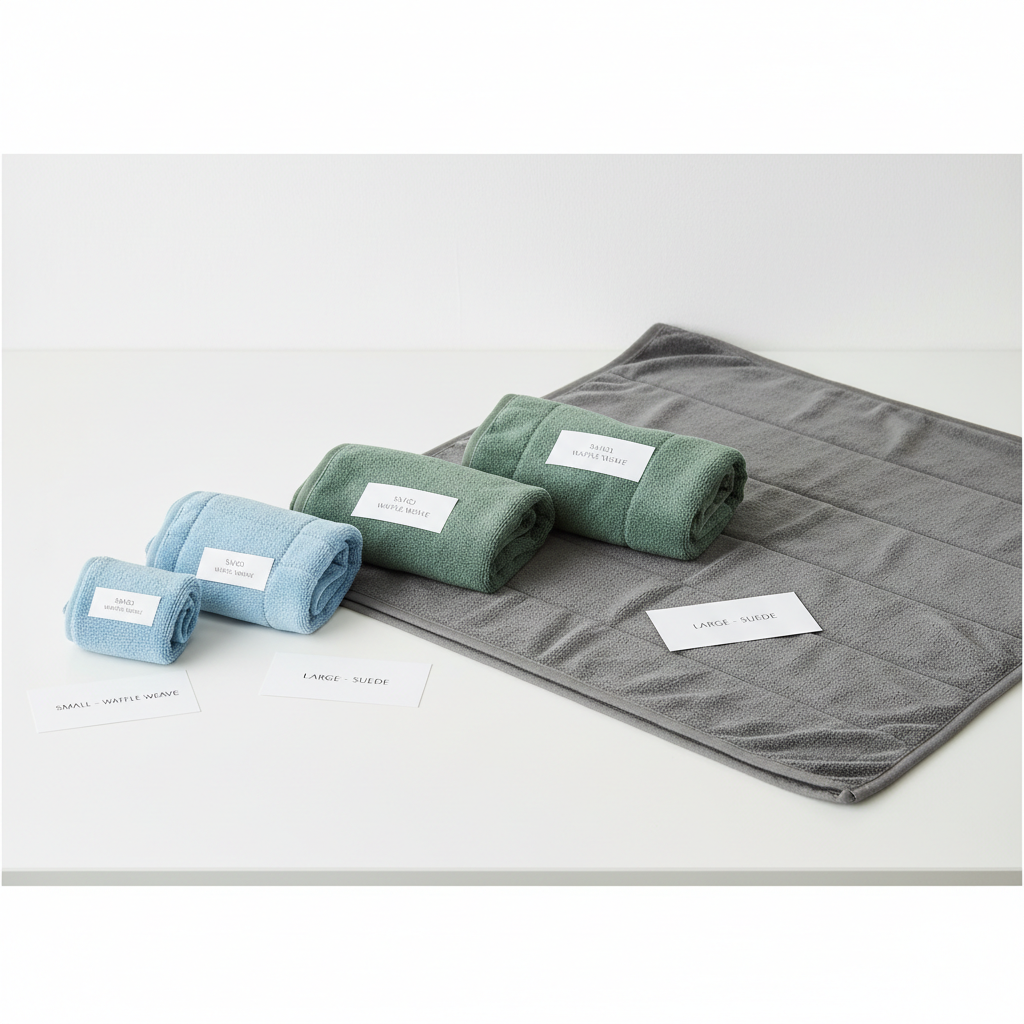
- Weave: Waffle weaves tend to balance absorbency and airflow well. Suede-style weaves feel smooth and pack tiny, but sometimes feel less “towel-like.”
- Blend ratio: More polyamide often improves absorbency and softness, but brands don’t always disclose it, so use reviews and return policies to hedge.
- Finish/coating: Some towels feel slick at first but may hold odor if you don’t wash and fully dry them.
According to CDC guidance on healthy swimming, sharing towels can spread germs and skin infections, so even if you travel with friends, having your own towel and washing it regularly is a practical hygiene move.
How to choose the best travel towel quick dry microfiber for your trip
Picking a towel is mostly about matching the towel’s strengths to your travel pattern. Beach-heavy trips, thru-hikes, gym plus office, and hostel hopping all punish towels in different ways.
Start with size (most people buy the wrong one)
- Face/hand size: Great as a sweat towel, sink wash companion, or daypack backup.
- Medium (often “travel”): The sweet spot for most travelers, enough for a shower and packs small.
- Large (often “bath”): Better coverage, but slower dry time in humid rooms and more bulk.
- Oversized: Worth it mainly for beach, surf, or long-stay use where you can dry it properly.
Then decide what you care about most
- Fastest drying: Lower GSM, waffle weave, lighter colors can feel less clammy in humidity.
- Soft feel: Mid GSM or a higher-quality blend, often a little bigger packed size.
- Odor resistance: Antimicrobial treatments can help, but consistent washing and full drying matter more.
- Sand resistance: Smoother weaves shake sand off easier than plush textures.
Quick comparison table: features that actually matter
This table won’t pick a brand for you, but it will help you translate specs into real-world use, which is where most shopping confusion happens.
| Feature | What it affects | Good for | Watch out for |
|---|---|---|---|
| Low to mid GSM | Dry speed, pack size | Backpacking, hostels, humid climates | Can feel less cozy, may need larger size to feel “enough” |
| Waffle weave | Airflow, grip, absorbency | All-around travel, daily showers | Texture can feel “scrubby” if you prefer smooth |
| Suede/smooth weave | Packability, sand release | Beach, minimalist packing | Sometimes feels like it “pushes” water until it’s saturated |
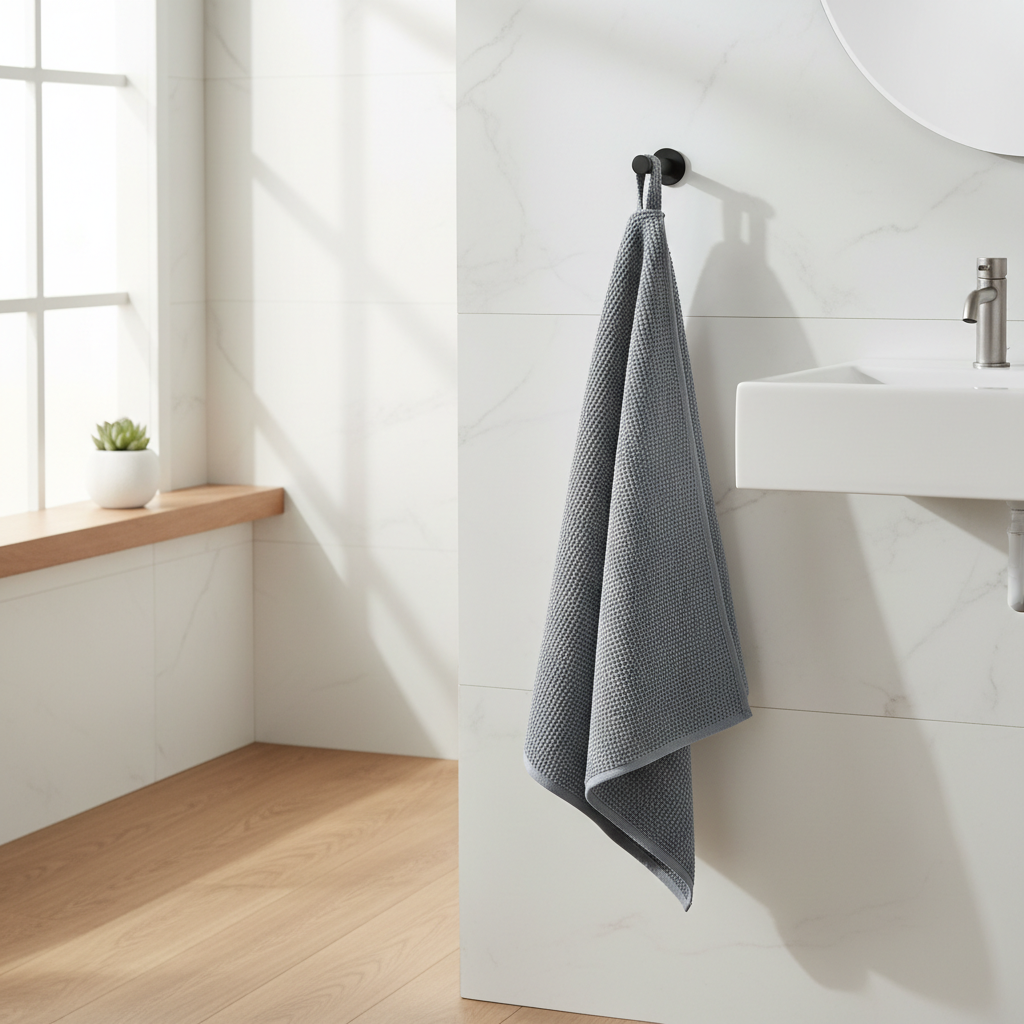
| Hanging loop + snap | Drying convenience | Hostels, gyms, airport layovers | Weak stitching can fail when wet and heavy |
| Mesh carry pouch | Breathability during transport | Any trip with frequent moves | Sealed pouches trap moisture and amplify odor |
| Antimicrobial treatment | Odor control | Long trips, limited laundry access | Not a substitute for washing, effects vary by product |
Self-check: which towel profile fits you?
If you’re stuck between two options, this is the fastest way to decide without overthinking it.
- You travel in humid places and dry things indoors: choose lighter GSM, waffle weave, prioritize a good hanging loop.
- You do a lot of beach days: choose smooth/suede-style, go a bit larger, and pick a towel that shakes sand off easily.
- You move cities every 1–2 days: choose medium size, quick-dry focus, and a breathable mesh pouch.
- You hate the “microfiber feel”: choose mid GSM and consider a blend that leans softer, even if it packs a little bigger.
- You often skip laundry for a week: pick two smaller towels or one plus a small backup, and plan quick rinse + full dry cycles.
Key takeaway: for many people, a medium waffle-weave towel hits the best balance between comfort, drying speed, and packability.
Practical use tips: dry faster, smell less, last longer
Even the best towel can disappoint if it stays balled up in a bag. These habits usually matter more than chasing a “perfect” spec sheet.
After showering
- Wring it hard, then wring again from a different end. Getting water out beats hoping it evaporates.
- Snap it in the air a few times to open the fibers and increase airflow.
- Hang it flat or wide if possible, a towel folded in half dries much slower.
When you have to pack it damp
- Use a breathable pouch and keep it separate from clean clothes.
- Set a reminder to hang it at the next stop, this sounds silly, but it’s how most “mystery odor” starts.
- Rinse first if it touched chlorine or salt, residue can stiffen fibers and worsen smell over time.
Washing basics (avoid the common mistakes)
- Avoid fabric softener, it can reduce absorbency on many synthetics.
- Wash with similar fabrics, microfiber can pick up lint from cotton items.
- Air dry when you can, but a low-heat tumble dry may be fine depending on the care label.
According to EPA indoor air guidance, moisture can contribute to mold growth in some environments, so if your towel stays damp in a poorly ventilated bathroom, moving it to a drier area is a sensible step.
Common pitfalls when shopping (what to ignore, what to verify)
Most bad towel purchases aren’t because microfiber is “bad,” they’re because the product is mismatched to the trip or the listing hides tradeoffs.
- “Absorbs 10x its weight” claims: marketing language rarely predicts how it feels drying your body, focus on weave and GSM instead.
- One-size-fits-all: if you want full coverage, don’t force a medium towel to act like a beach towel, it will feel inadequate.
- Sealed waterproof pouch as the default: it’s convenient, but if you pack damp often, it can trap moisture and odor.
- Stitching and loops: check photos and reviews for loop placement and seam quality, because failures happen when the towel is wet and heavy.
- Color transfer: darker dyes sometimes bleed during early washes, doing a separate first wash can help.
When it’s worth getting professional advice (rare, but real)
Most people just need a better towel and better drying habits. Still, if you get recurring rashes, persistent skin irritation, or infections that seem linked to shared linens or damp fabrics, it’s smart to consult a healthcare professional and review hygiene practices. Travel can stress skin in ways that are hard to self-diagnose.
Also consider switching towels more often on long trips if you’re prone to acne or folliculitis, and keep your towel separate from gym clothes and wet swimwear.
Conclusion: a simple way to pick the right towel today
If you want one safe, flexible choice, look for a medium-size waffle-weave microfiber towel with a solid hanging loop and a breathable pouch, it tends to behave well across hotels, hostels, and outdoor trips.
If your travel is more beach-forward, go smoother and slightly larger, and if you’re mostly hiking or moving fast, go lighter and smaller, then commit to wring-and-hang routines. That combination is usually what makes the best travel towel quick dry microfiber feel genuinely “easy” in daily use.
Action step: pick your size first, then choose a weave for your climate, and finally filter by loop/pouch quality, those three decisions eliminate most regret purchases.