
french garden travel guide classic planning usually comes down to three make-or-break details: timing, tickets, and how you connect the gardens without spending your whole trip on trains and highways.
If you’ve ever saved photos of Versailles, Monet’s lilies, and Loire châteaux gardens, you already know the problem, France has too many “must-sees” that look close on a map but feel far in real life. A classic garden trip can turn into a blur of queues, closed fountains, and missed last entries.
This guide stays practical, what to prioritize, when to go, how to group gardens by region, and the small etiquette rules that keep a beautiful day from becoming a frustrating one. I’ll also point out where plans often break, lunch timing, garden hours, and the difference between “open” and “fully running.”
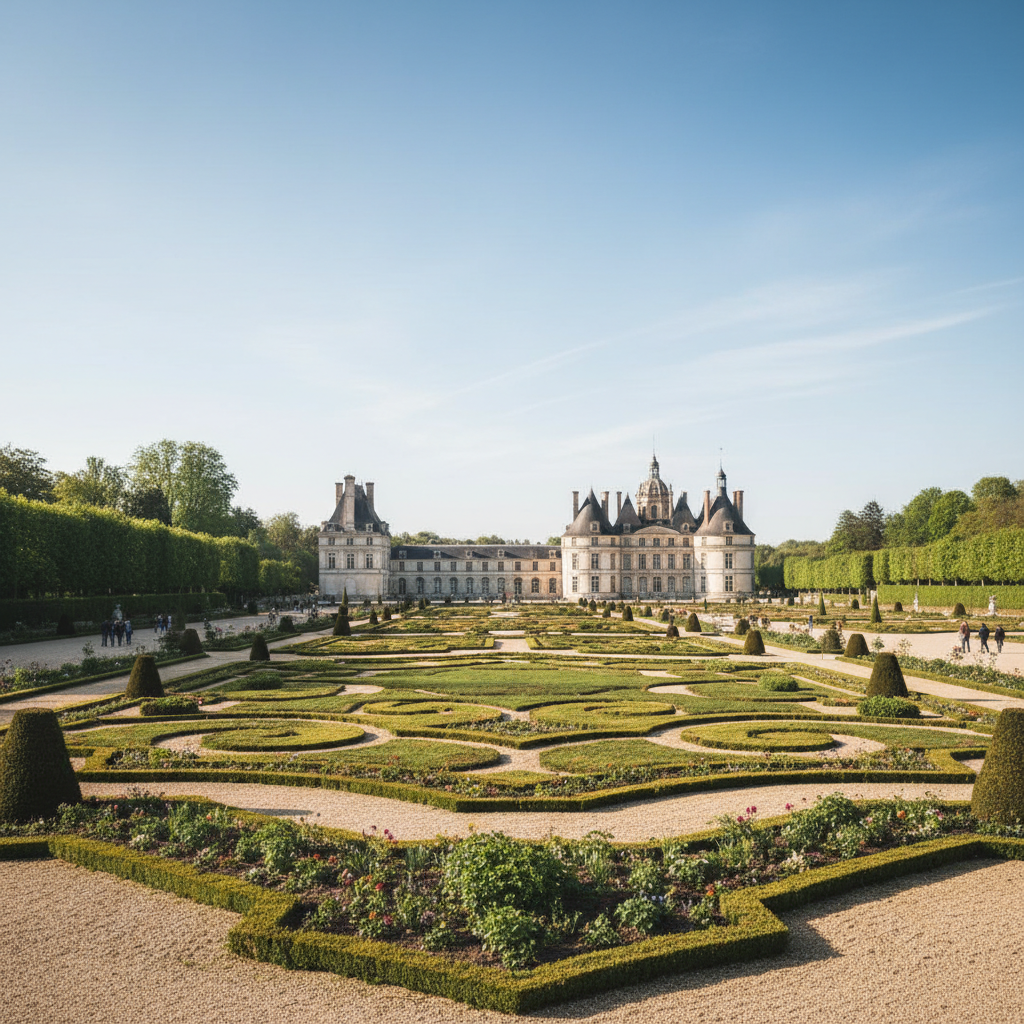
What “Classic” Means in a French Garden Itinerary
For most travelers, “classic” French gardens means a mix of formal French design and a little romance, think geometry and grandeur, plus a softer, painterly stop or two.
In practice, you’ll usually be choosing among three garden styles that show up across France:
- Jardin à la française (formal): strict symmetry, parterres, long perspectives, canals, often tied to royal power. Versailles is the headline.
- Landscape/English-style: more natural-looking paths, groves, and water features, often from later redesigns.
- Artist and botanical gardens: Monet at Giverny is the famous one, but many cities have serious botanical collections too.
It helps to set expectations early, a lot of “classic” gardens are big-scale outdoor spaces, so weather, daylight, and seasonal maintenance shape your experience more than museum trips do.
When to Go: Season, Weekday Strategy, and What “Open” Really Means
Choosing the right weeks matters more than squeezing in one more stop. Many gardens look their best when beds are full and fountains run, but those are also the busiest times.
Quick timing guidance
- Late April to June: often the sweet spot for bloom and comfortable temperatures, but popular sites get crowded.
- July to August: long days, heavy demand, and more heat. Shade planning becomes real planning.
- September: calmer feel in many places, still pleasant for walking, less peak-flower drama.
- Winter: some parks stay accessible, but formal displays and fountains may be limited, hours shorten.
According to Versailles (Château de Versailles official site), fountain and musical garden days follow a schedule and can require specific tickets, so don’t assume water features run daily just because the gates are open.
Also, avoid building your whole french garden travel guide classic around weekends if you can. Tuesdays, Wednesdays, and Thursdays usually feel easier, especially for Versailles and Giverny.
Pick Your “Base”: Paris, Loire Valley, or Provence (Don’t Mix Them Too Fast)
The biggest itinerary mistake is treating France like one compact garden park. For a classic trip, pick a base and do day trips, or move bases slowly.
Option A: Paris base (best for first-timers)
- Versailles as a full day, not a half day.
- Giverny as a long day trip, ideally midweek.
- Paris gardens as “recovery”: Luxembourg Gardens or Tuileries between bigger excursions.
Option B: Loire Valley base (best for château gardens)
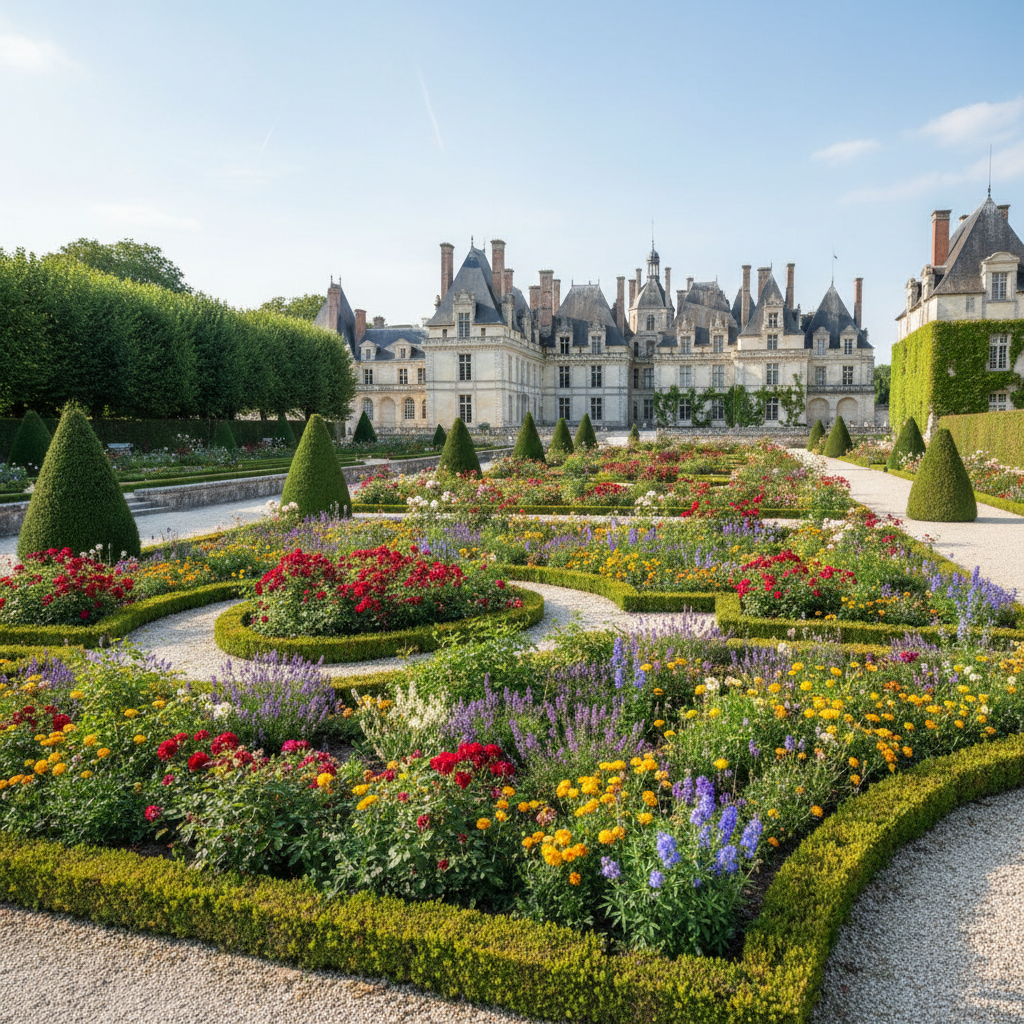
- Cluster châteaux by proximity, not fame ranking.
- Plan for driving, taxis, or private transfers, public transport exists but can eat your day.
- Expect choices, you can’t do five châteaux gardens well in two days.
Option C: Provence base (best for a slower, sensory trip)
- Great for market towns, estate gardens, and a “less checklist” vibe.
- Heat management matters in summer, earlier starts help.
If your goal is a true french garden travel guide classic route, Paris + one region often feels more satisfying than trying to touch every postcard location.
A Practical 6–8 Day Classic Garden Route (3 Variations)
Below are three realistic frameworks. The point is not perfection, it’s leaving room for weather, lines, and the fact that gardens reward unhurried walking.
| Trip Length | Best Base | Classic Garden Focus | Notes |
|---|---|---|---|
| 6 days | Paris | Versailles + Giverny + Paris gardens | Most efficient “first classic” plan |
| 7 days | Paris + Loire | Versailles + 2–3 Loire château gardens | Requires one base change |
| 8 days | Loire | Château gardens + one major formal garden day trip | Best if you want depth over famous names |
Key takeaways to keep the route “classic” without overstuffing
- One major garden per day is a good rule, add a smaller park only if it’s close and low-stakes.
- Protect lunch, many garden towns go quiet mid-day, and rushed eating ruins the afternoon energy.
- Plan the last entry time, not just opening time, especially for estates and ticketed zones.
On-the-Ground Tips: Tickets, Transit, Footwear, and Photo Expectations
These are the small moves that make a “nice day” become a smooth day.
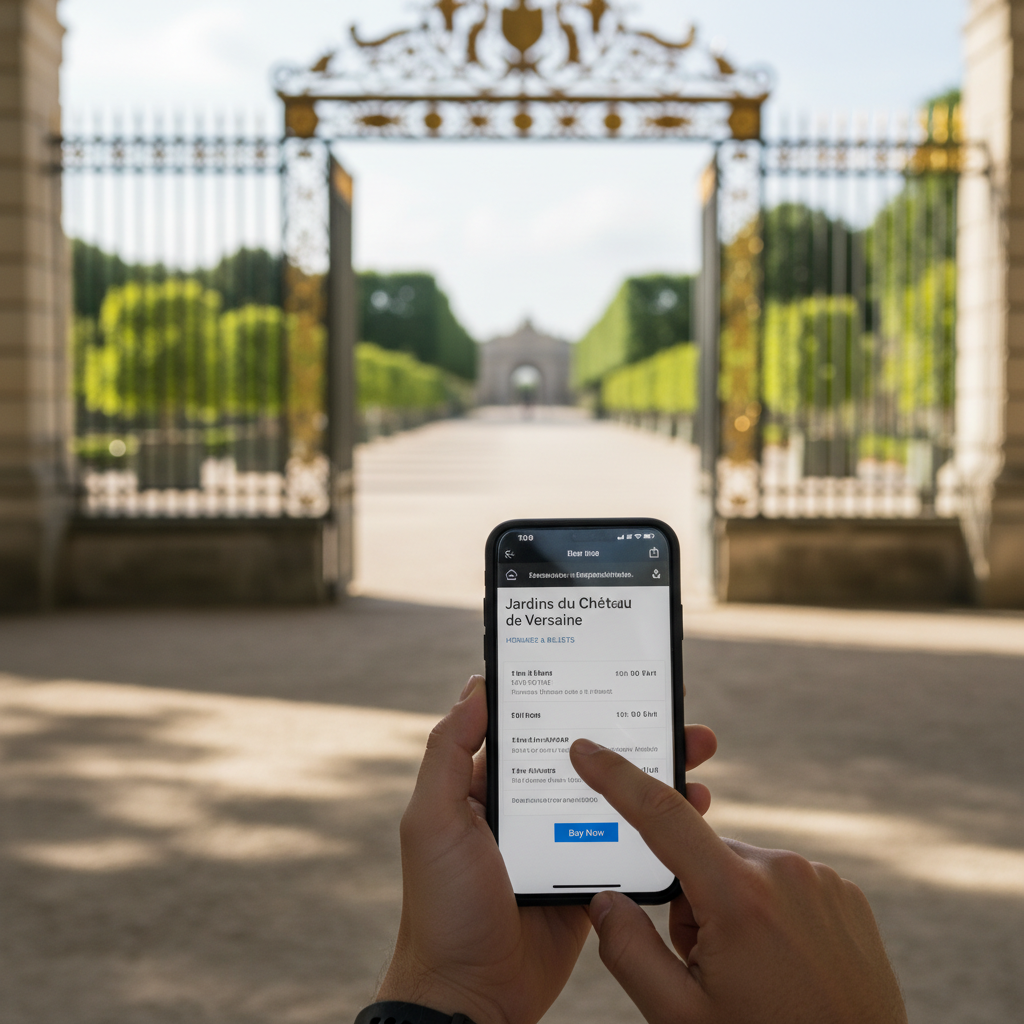
- Buy timed tickets when offered, it reduces queue risk. For major sites, waiting can quietly steal the best light for photos.
- Start early or go late, gardens look different at 9 a.m. than at 2 p.m., and your patience does too.
- Footwear: gravel, damp lawns, long straight alleys. Comfortable walking shoes matter more than fashion.
- Transit realism: “One hour by train” can become three hours door-to-door with connections and local shuttles.
- Photo expectations: some iconic angles require long walks to viewpoints, and crowds may affect the “empty garden” look.
According to Giverny (Fondation Claude Monet official site), seasonal opening periods and timed entry can change, so confirm dates before you lock flights around one garden morning.
If you’re traveling with kids or anyone who tires easily, consider a plan that alternates “big walking day” and “city garden day.” Your french garden travel guide classic should still feel like a vacation.
Self-Check: What Kind of Garden Traveler Are You?
This quick checklist helps you decide how to build your days, because people burn out for different reasons.
- You’re a “design-first” visitor if you care about symmetry, axes, and perspective lines, prioritize Versailles and a Loire château garden day.
- You’re a “blooms-first” visitor if color and peak flowering matter most, travel windows matter more than museum add-ons.
- You’re a “calm-first” visitor if crowds irritate you, trade one famous stop for a smaller regional garden and go midweek.
- You’re a “photo-first” visitor if you want clean compositions, plan early entry, accept that weather and closures can shift results.
If you recognized yourself in two boxes, that’s normal, just decide which one wins when schedules collide.
Common Mistakes (and How to Avoid Them Without Overplanning)
Most “bad garden days” come from predictable issues, not a lack of effort.
- Trying to do Versailles plus another major site the same day, it’s possible on paper, but many travelers feel rushed, especially during fountain-event days.
- Ignoring micro-seasonality, wisteria weeks, rose peaks, and lily ponds vary by weather. Keep expectations flexible.
- Assuming food will be easy, some garden areas have limited options, and opening hours can be shorter than you expect.
- Underestimating walking distance, formal gardens are built for grand scale, that’s the point, and it’s also the challenge.
For safety and comfort, heat and sun exposure can become an issue in summer, if you have medical concerns, it’s smart to plan shade breaks and ask a healthcare professional about travel precautions that fit your situation.
Conclusion: Build a Classic Garden Trip You’ll Actually Enjoy
A strong classic itinerary isn’t the one with the most pins on a map, it’s the one with the right rhythm, one standout garden day, one easier city garden day, and enough slack for real life like rain, lines, and long walks. If you keep region choices simple and lock in the few tickets that truly matter, your french garden travel guide classic becomes less stressful and a lot more memorable.
If you want a next step, pick your base city and travel month today, then choose two “anchor gardens” and build everything else around them, not the other way around.
FAQ
What is the best time of day to visit Versailles gardens?
Morning tends to feel calmer and cooler, and photos often benefit from softer light. If you’re targeting fountain or musical events, check the official schedule and align your entry time to what you want to see.
Can I do Giverny as a half-day trip from Paris?
Some travelers manage it, but it often feels tight once you add train times, local transfers, and timed entry. A full day gives you breathing room, which matters when crowds or weather shift your pace.
Do I need to rent a car for a Loire Valley garden trip?
It depends on how many sites you want and where you stay. Public transport can work for a limited plan, but a car or arranged driver often makes multi-château days more realistic.
Are French gardens open year-round?
Many parks have some level of access across the year, but hours, features, and ticketed zones can change seasonally. Always confirm on the official site, especially for artist gardens and estates.
How many gardens should I plan per day?
For major sites, one is usually enough, you’ll walk more than you expect and want time to sit, snack, and explore details. Smaller city gardens can pair well with museums or neighborhoods.
What should I wear to visit classic French gardens?
Comfortable shoes and layers beat “perfect outfits,” gravel paths and shifting weather are common. In summer, sun protection helps, especially in large formal gardens with long exposed avenues.
Is it worth visiting gardens if it rains?
Light rain can be surprisingly atmospheric, but heavy rain turns paths muddy and photos less enjoyable. Having one indoor backup nearby keeps your day from collapsing.
If you’re planning a classic garden trip and you’d rather not spend nights cross-checking train connections, timed entries, and seasonal schedules, a simple, customized outline can save time, even if you still keep the trip flexible once you arrive.