
Volcano travel sites unique enough to feel like a real adventure usually share one thing, they force you to choose between “cool photo” and “smart plan”, and the best trips manage both.
If you have ever opened a map, pinned a volcano, and then stalled out at permits, safety rules, or the question nobody likes asking, “Is this active right now?”, you are not alone. Volcano travel is exciting, but it punishes vague planning.
This guide narrows the field to distinctive volcanic places, not just famous names, and then gives you a practical way to match a site to your fitness, risk tolerance, and trip style. I also call out the common mistakes that turn a bucket-list idea into a stressful day.
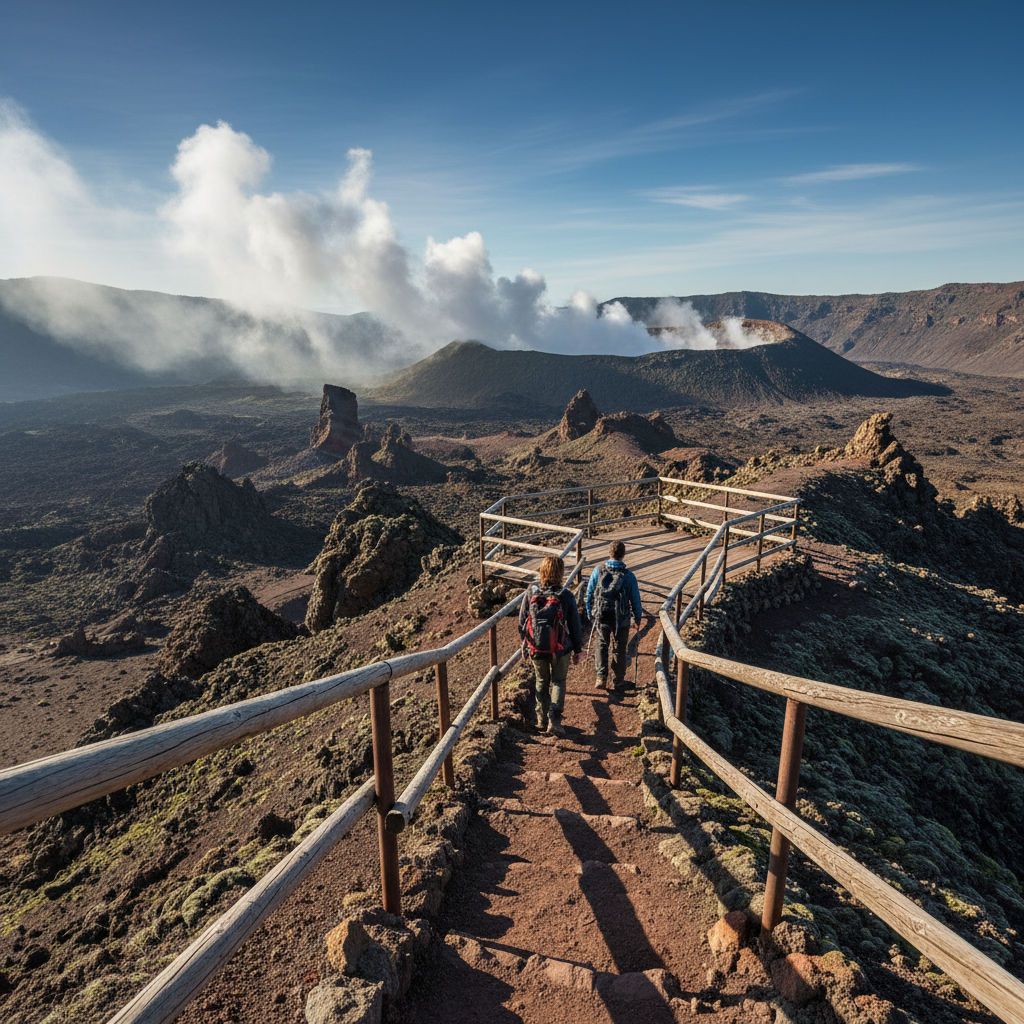
What makes a volcano site feel truly “unique” (and not just popular)
“Unique” in volcano travel is less about how famous a mountain is, and more about what you can do there without pushing into irresponsible territory. A few traits tend to separate memorable places from checkbox stops.
- Access to contrasting landscapes, lava fields plus rainforest, glaciers plus black sand, desert plus fumaroles.
- Multiple modes of exploration, a viewpoint drive, a serious hike, and a guided add-on like a lava tube or crater rim walk.
- Strong local management, clear trail closures, ranger info, and signage that treats hazards seriously.
- A “volcanic story” you can see, recent lava flows, layered ash cliffs, or hydrothermal features that are active but controlled.
According to the U.S. Geological Survey (USGS), volcano hazards can include ash, gases, lava flows, and landslides, which is why well-managed sites tend to be safer and, honestly, more enjoyable because you spend less time guessing.
Volcano travel sites unique enough for real adventure (top picks by experience)
Below are standout destinations that often deliver an “only here” feel. Conditions change, especially at active volcanoes, so treat this as a short list to research, not a promise of what you will see on a specific day.
Hawaiʻi: Hawaiʻi Volcanoes National Park (Big Island)
This is the classic U.S. option, but it stays “unique” because you can experience fresh lava landscapes, steam vents, lava tubes, and coastal volcanic scenery in one park. The catch is that access to active areas varies a lot, so flexibility matters more than a fixed itinerary.
- Best for: first-time volcano travelers who still want a big wow factor
- Don’t miss: Thurston Lava Tube, Chain of Craters Road, overlook areas when open
Iceland: Reykjanes Peninsula (recent eruption region)
Reykjanes can feel surreal because it is close to Reykjavík and still looks like another planet. When activity is ongoing, authorities may close areas quickly, so your “adventure” often becomes a logistics game, check updates, follow closures, and choose safe vantage points.
- Best for: travelers who can pivot plans fast and enjoy geology even without lava views
- Smart approach: guided tours when conditions are uncertain
Guatemala: Acatenango (with Fuego views)
Acatenango is popular for a reason, the experience of watching Volcán de Fuego from a camp can be unforgettable. It is also physically demanding at altitude, and conditions can shift, so this is a “train a bit, choose a reputable operator” kind of trip.
- Best for: fit hikers comfortable with cold nights and steep climbs
- Reality check: visibility depends on weather, and routes vary by operator
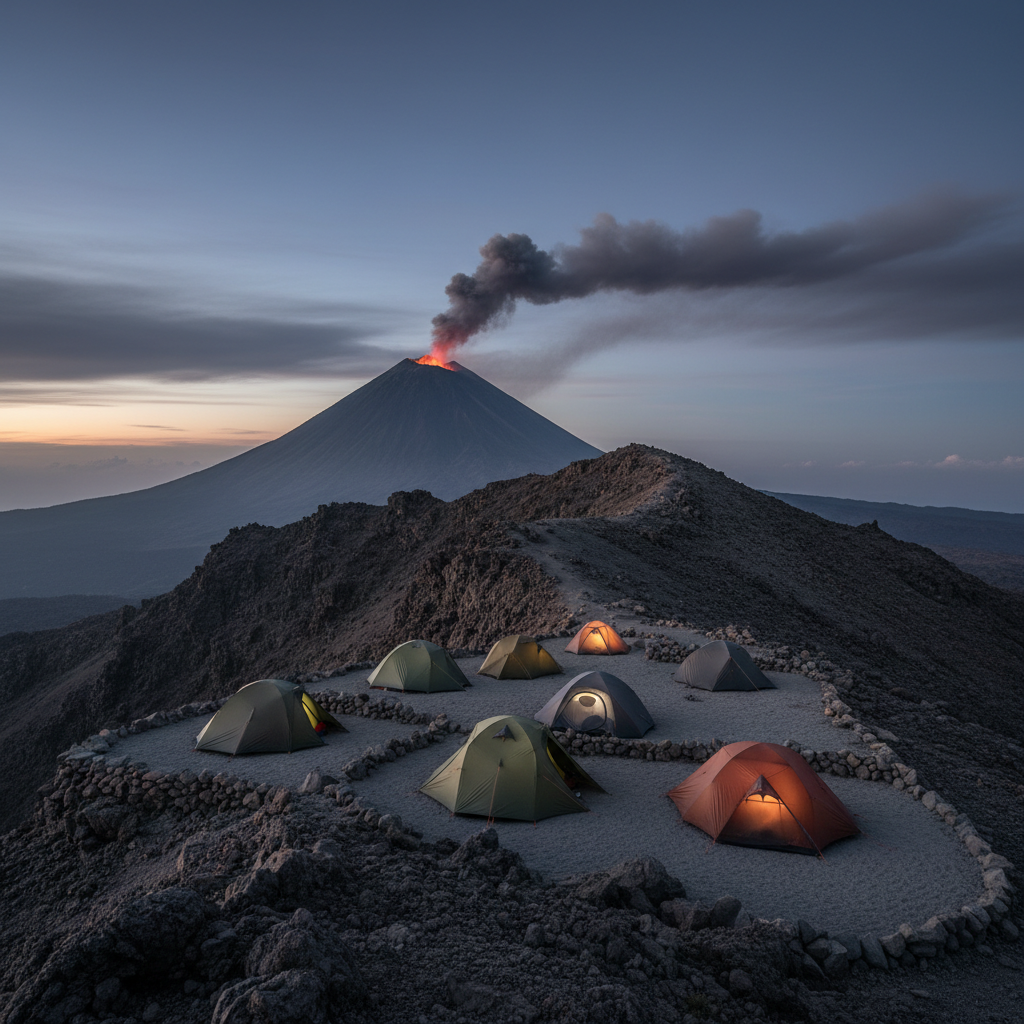
Italy: Stromboli (the “lighthouse of the Mediterranean”)
Stromboli’s appeal is that it can be active in a visually dramatic way, but access depends on local rules and risk levels. Many hikes require a certified guide, and that is not just bureaucracy, it is the difference between a controlled experience and a bad decision.
- Best for: travelers who want an iconic volcano atmosphere plus island culture
- Plan for: restrictions, guided routes, and sudden changes in allowed elevation
Japan: Sakurajima (Kagoshima)
Sakurajima is one of those places where daily life and volcanic activity coexist, viewpoints, ashfall, and hot springs culture sit close together. It is “unique” because you can learn how a city actually lives with an active volcano, not just visit one.
- Best for: culture-forward travelers who still want active-volcano energy
- Good to know: ash and wind direction can affect your day, pack eye protection
New Zealand: Tongariro Alpine Crossing (volcanic plateau trek)
Tongariro is less about a smoking crater and more about hiking through a volcanic system that feels vast, colorful, and harsh in a beautiful way. The uniqueness comes from the terrain variety, but weather can turn quickly, so this hike rewards conservative decision-making.
- Best for: hikers who want a full-day challenge with big scenery
- Common pitfall: underestimating wind and temperature swings
Quick comparison table: pick a site that matches your travel style
Use this as a fast filter, then verify current conditions and access rules for your dates.
| Destination | “Unique” hook | Effort level | Best season (rough) | Notes |
|---|---|---|---|---|
| Hawaiʻi (USA) | Lava landscapes + lava tube | Low to Medium | Year-round | Access changes with activity |
| Iceland Reykjanes | Fresh fissure terrain | Low to Medium | Year-round | Closures can be rapid |
| Guatemala Acatenango | Overnight volcano viewpoint | High | Dry season often preferred | Altitude and cold nights |
| Italy Stromboli | Active volcano island vibe | Medium | Late spring to early fall | Guides often required |
| Japan Sakurajima | City life beside activity | Low | Year-round | Ashfall possible |
| NZ Tongariro | Epic volcanic crossing | High | Summer often easiest | Weather volatility |
Self-check: are you choosing the right volcano experience?
Before you commit, run through this checklist. It saves money, and it saves you from the “why did we pick this” moment halfway up a ridge.
- You enjoy the process of checking advisories, closures, and backup plans, or you are willing to pay for a guide who does.
- Your group agrees on effort, a scenic overlook day and an altitude overnight are not the same trip.
- You can handle variable conditions, wind, sulfur smells, rain, ash, and limited visibility happen.
- You have the right gear basics, sturdy shoes, layers, water, headlamp for early starts, and eye protection where ash is possible.
- You are comfortable with “no lava today”, many volcano trips are still worth it for geology and landscape, but only if your expectations are realistic.
If you answered “no” to two or more, you can still do volcano travel sites unique in a lower-stakes way, think national parks, maintained viewpoints, and guided half-day options.
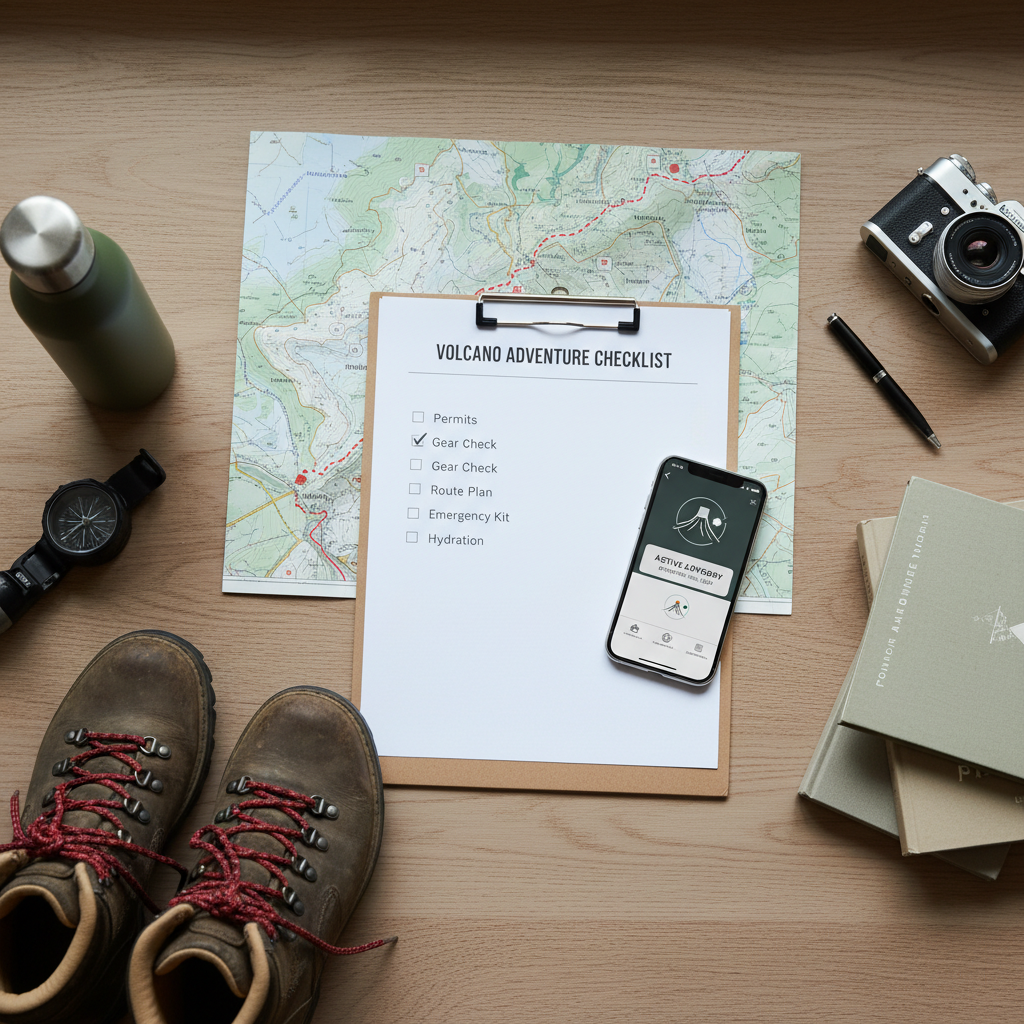
How to plan: practical steps that actually reduce risk
Planning a volcano trip is not about fear, it is about avoiding the few preventable errors that cause most bad outcomes, wrong timing, wrong route, or ignoring closures.
1) Check official status and closures, not just social media
According to the USGS, volcano monitoring and alert levels are based on seismic activity, deformation, gas, and other signals, but what you need as a traveler is simpler, “Is the area open, and what hazards are currently flagged?” Use park services, civil protection sites, and local authority updates.
2) Choose an “A plan” and a “B plan”
Your A plan might be a crater rim hike, your B plan might be a lava tube, museum, hot springs, or a coastal drive. This keeps the day enjoyable even when conditions shut down the headline activity.
- A plan: high effort, weather-dependent, time-sensitive
- B plan: lower effort, safe access, still volcanic
3) Book guides when rules or terrain demand it
Guides matter most when a destination has fast-changing access rules, confusing trail junctions, altitude risk, or required safety equipment. If you are unsure, ask operators what they do when access is restricted, the answer tells you a lot.
4) Pack for lungs, eyes, and footing
Volcanic environments can irritate eyes and airways, and loose rock can be slick. This is where small choices help.
- Light eye protection for ash or wind-blown grit
- A face covering you can tolerate if air quality worsens
- Grippy footwear, trekking poles for steep scree if you use them
- Extra water, volcanic terrain often feels drier than expected
If you have asthma or other respiratory conditions, symptoms can flare with gases or ash, so it is reasonable to consult a clinician before trips where exposure is possible.
Common mistakes that make “unique” volcano trips go sideways
- Chasing lava at all costs, people push into closed areas because they flew far, that is exactly when incidents happen.
- Underestimating altitude and cold, this shows up on Acatenango and other high volcano treks, exhaustion makes decisions worse.
- Ignoring wind direction, gas and ash impacts can change within hours, your “perfect viewpoint” can become miserable fast.
- Overpacking tech, underpacking basics, extra lenses do not replace a headlamp, layers, and water.
- Assuming a single blog itinerary fits your dates, volcanic access rules age quickly, sometimes within days.
One more thing people rarely admit, some volcano travel sites unique in photos feel underwhelming in person if you are not into geology. If you need constant “action,” consider mixing volcano time with kayaking, wildlife, or cultural stops so the trip has more texture.
Key takeaways (save this for trip planning)
- Uniqueness comes from experience design, landscape variety, safe access, and credible local management beat hype.
- Plan for closures, a B plan turns a potential disappointment into a good day.
- Follow official guidance, active volcano rules change fast, and they exist for a reason.
- Match the site to your group, effort and risk tolerance should be aligned before you book.
Conclusion: pick a volcano that fits your reality, not just your feed
Volcano travel is at its best when you respect the place and still let it surprise you, that balance is why volcano travel sites unique can feel life-changing without feeling reckless.
Your next step is simple, choose one destination from the list, check the official updates for the coming month, then sketch an A plan and a B plan before you buy anything nonrefundable. That small bit of discipline tends to unlock the fun part.
FAQ
What are the most volcano travel sites unique for first-timers from the U.S.?
Hawaiʻi Volcanoes National Park is often the smoothest entry point because infrastructure is strong and you can still see diverse volcanic features even when active areas are restricted. If you want international, Iceland can be approachable, but closures may change quickly.
How do I know if a volcano is safe to visit right now?
Start with official sources, park alerts, civil protection updates, and monitoring agencies. “Safe” is contextual, an open viewpoint can be appropriate while a summit trail is closed, so rely on access rules, not viral videos.
Do I need a guide to hike an active volcano?
Many locations require guides by law or by permit conditions, and even when not required, a guide can be a smart choice when terrain is confusing or hazards can shift. If you feel unsure reading current advisories, that is a good signal to book one.
Is it realistic to see flowing lava on a planned trip?
It can happen, but it is not something you can schedule like a museum ticket. Activity cycles vary, and access rules may keep you far away even during eruptions, plan the trip around landscapes and learning, and treat lava as a bonus.
What should I pack for volcano hikes besides normal hiking gear?
Eye protection, layers for wind, and a face covering you can use if air quality worsens are common adds. Footing matters too, loose volcanic rock can be slippery, so prioritize footwear traction over fashion.
Which volcano destination is best if I hate long hikes?
Sakurajima and parts of Hawaiʻi can work well because you can access strong viewpoints and interpretive areas with minimal hiking. You still get the volcanic atmosphere without committing to an all-day trek.
Can kids go to volcano viewpoints?
Often yes, especially in national parks with maintained overlooks, but it depends on barriers, wind, and current advisories. Keep children close, follow closure signs strictly, and avoid areas with gas exposure warnings.
What’s the biggest planning mistake people make with volcano travel?
They build the whole trip around one “must-see” moment and ignore plan B. Volcanoes do not negotiate with itineraries, so flexibility is what protects both your safety and your mood.
If you are planning a trip and want a more streamlined path, a simple approach is to pick one of these volcano travel sites unique, then build a two-track itinerary around it, one ambitious day and one low-risk day, and let current advisories decide which one you run.