
Canyoning travel adventure guide questions usually pop up right after people see that perfect Instagram clip, then realize they have no idea how to judge water, weather, difficulty, or guides.
If you want the fun part without the avoidable stress, you need a plan that covers more than gear lists, you need realistic route selection, safety habits, and a few “don’t get talked into this” rules.
This guide focuses on what tends to matter on real trips, how to pick a canyon that matches your ability, what to ask an outfitter, and what to do the week before you fly out.
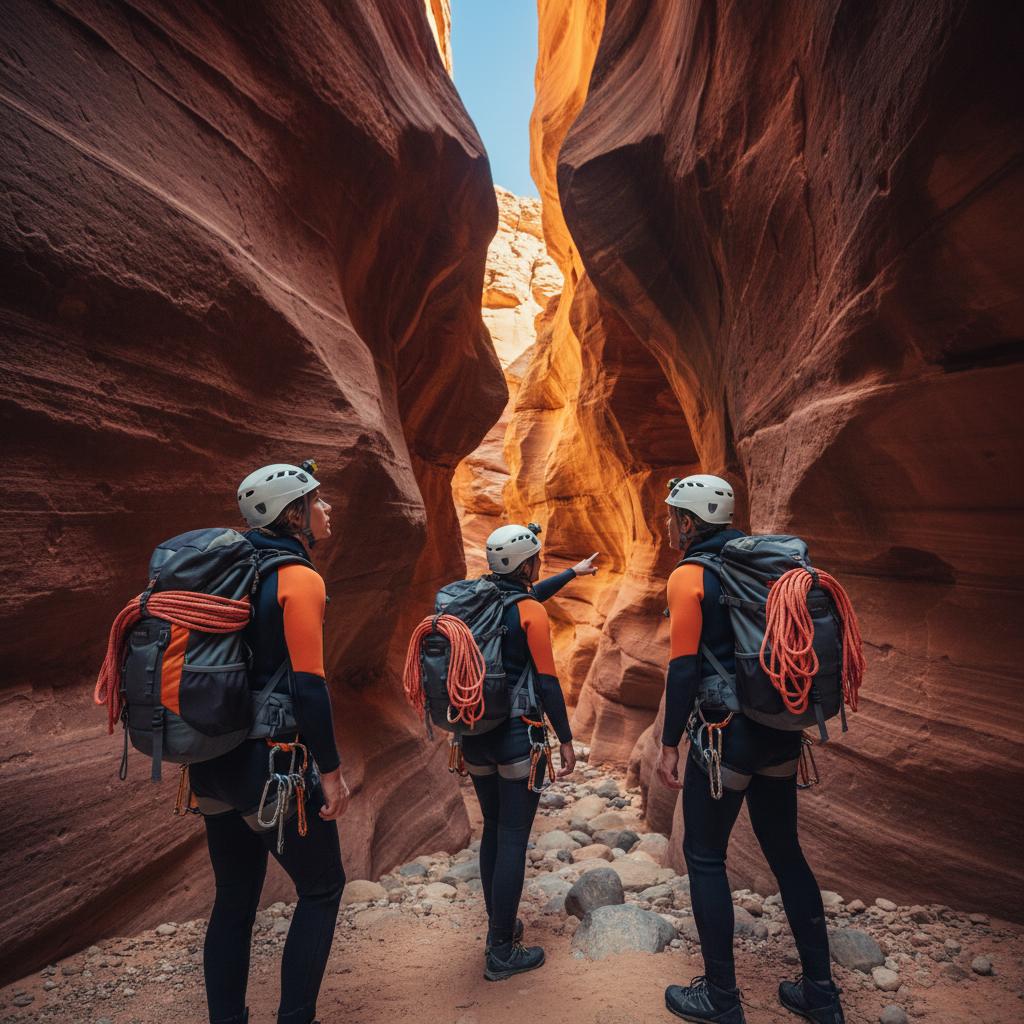
What Canyoning Really Involves (and Why It Feels Different)
Canyoning mixes hiking, scrambling, rappelling, and sometimes swimming, all in a place where conditions can shift fast. The “adventure” part is fun, but the environment can punish sloppy decisions.
A basic mental model helps: you’re moving through a drainage system. That means water level, recent rainfall, and terrain escape options matter more than how athletic you feel that morning.
- Dry canyon: mostly hiking and rappels, minimal water, usually less cold exposure.
- Wet canyon: flowing water, swims, waterfalls, higher need for thermal protection and current awareness.
- Slot canyon: narrow passages, beautiful, but can magnify flash-flood risk and make exits harder.
According to the National Weather Service, flash floods can occur with little warning, sometimes even when rain falls miles away from where you stand, which is why canyon choices often start with weather, not vibes.
Picking the Right Destination and Season (US Travelers)
Most trip planning mistakes come from selecting a location first, then trying to “make it work” with whatever skills the group has. Flip that: pick a canyoning style you want, then choose a destination and season that supports it.
In the U.S., canyoning and canyoneering trips often cluster around desert canyons in the Southwest and alpine water canyons in summer regions. Internationally, popular areas include parts of Europe and Latin America, but local regulations, guide norms, and rescue infrastructure vary.
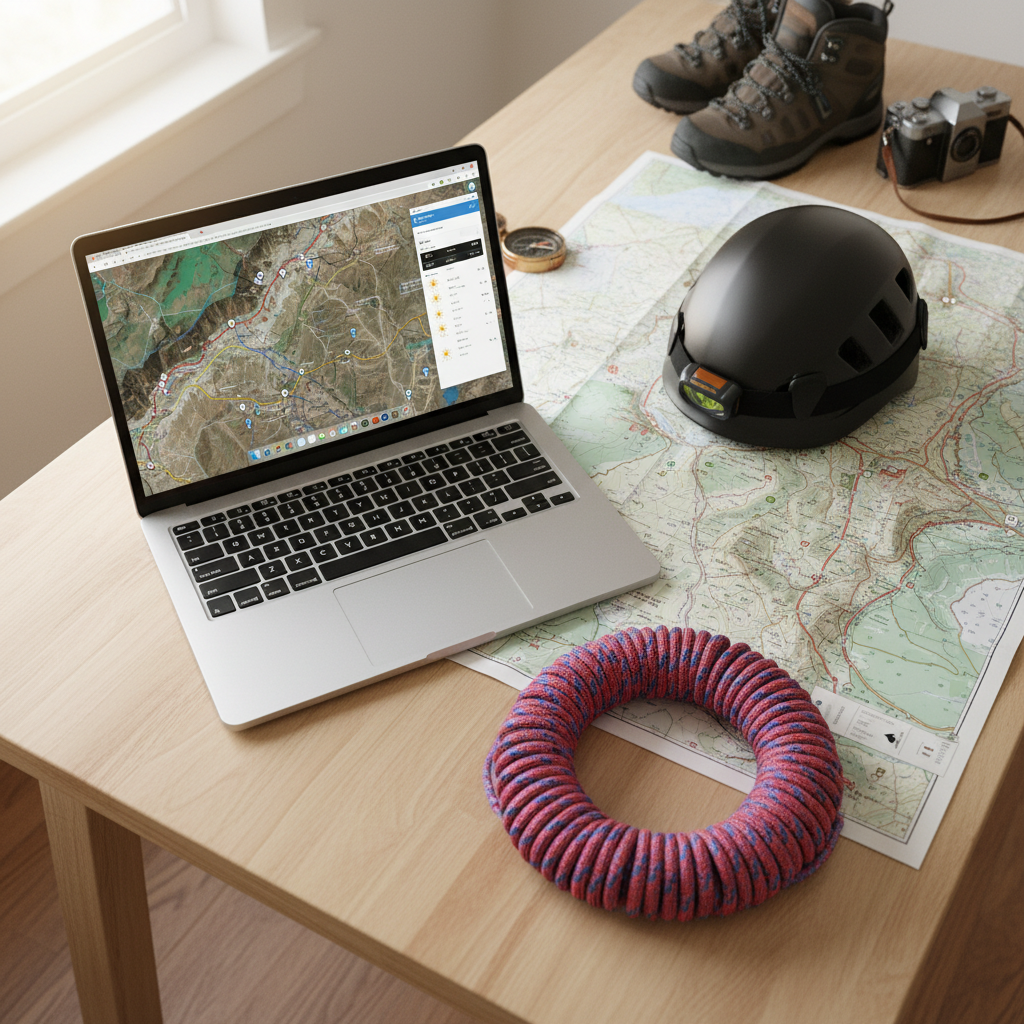
Quick season reality check
- Cold water can be a bigger limiter than difficulty. Many “easy” wet canyons become miserable without the right wetsuit.
- Monsoon patterns (common in some regions) can raise risk even on clear mornings.
- Daylight length affects how rushed you feel. Short days increase the chance of finishing in the dark.
If you’re traveling with beginners, aim for routes with straightforward approaches, clear anchors, and minimal commitment, meaning you can exit the canyon without completing every rappel.
Self-Assessment: Are You Ready for This Canyoning Trip?
A good canyoning travel adventure guide should save you from guesswork. Use this checklist to sort yourself into a realistic “start here” category.
Readiness checklist
- Comfort with heights: you can step backward on a rappel without freezing.
- Basic water confidence: you can float, tread water, and stay calm when splashed or briefly submerged.
- Stamina: you can hike 3–6 miles with a pack on uneven terrain.
- Problem tolerance: you can handle slow progress, cold fingers, and waiting your turn on rope.
- Injury considerations: old shoulder/knee issues may limit rappelling or downclimbing; consider medical advice if unsure.
If two or more items feel shaky, many people do better starting with a guided half-day or a beginner canyon designed for instruction, not “epic” photos.
Gear and Packing: What Matters, What’s Optional
Gear lists online can get silly fast. The practical goal is simple: stay warm enough, protect your head and hands, and use reliable equipment that matches the canyon type.
Core gear (typical, guide-led trips may provide much of this)
- Helmet (non-negotiable)
- Harness and appropriate rappel device
- Personal tether/lanyard for clipping into anchors
- Wetsuit (thickness depends on water and air temperature) or suitable layers for dry canyons
- Canyoning shoes or sticky-soled trail shoes that drain well
- Dry bag or waterproof container for essentials
Small items that save trips
- Thin gloves for rope handling, especially in wet conditions
- High-energy snacks you can eat quickly
- Headlamp, even on “day” routes
- Blister care and a compact first-aid kit
According to the American Alpine Club, accident analyses often point to decision-making and systems issues, not just “bad luck,” so it’s worth prioritizing correct fit, proper training, and a conservative plan over fancy add-ons.
Safety and Risk: The Parts People Skip (Then Regret)
Here’s the honest part: canyoning risk usually rises when a group stacks small problems, late start, questionable weather, mixed skill levels, and unclear leadership. Any one might be manageable, together they get expensive.
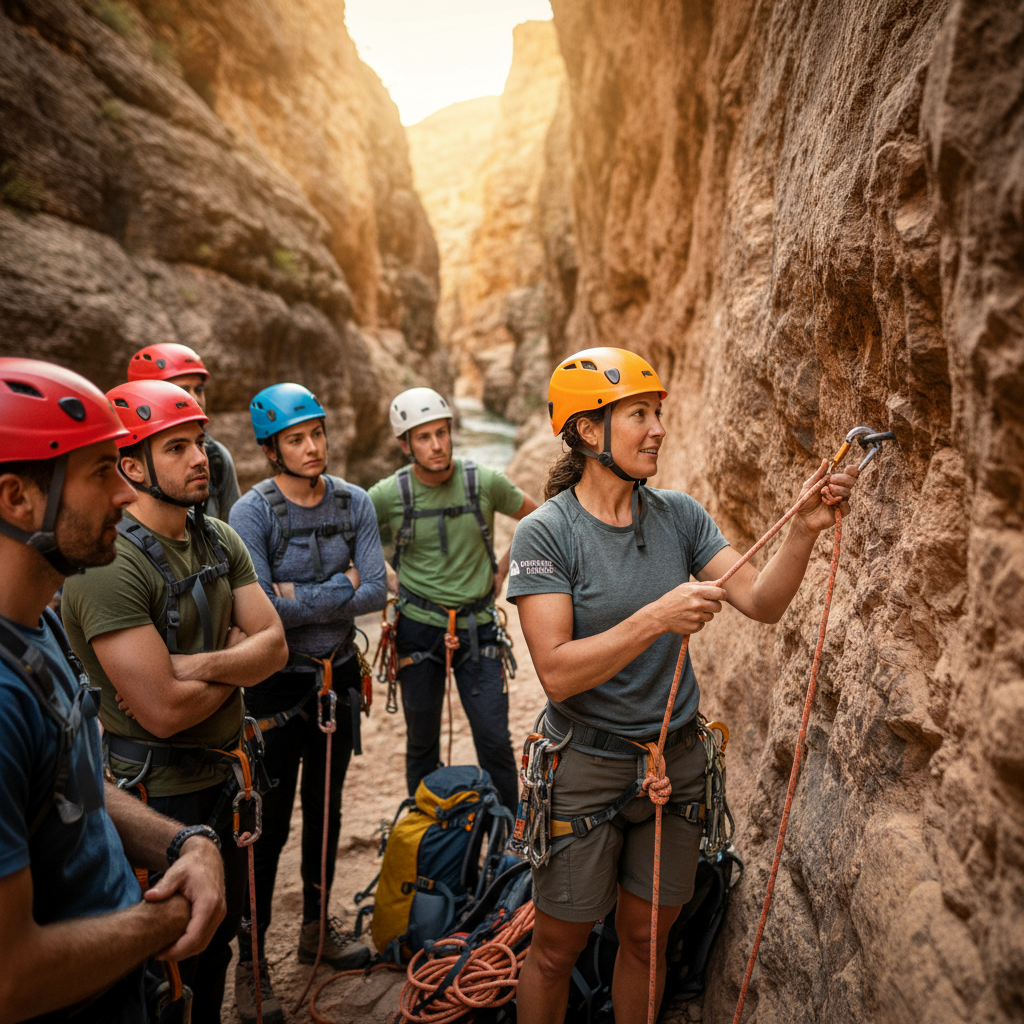
Key safety habits that travel well
- Weather discipline: check forecast sources, then check again closer to departure, canceling can be the smart call.
- Cold management: treat shivering as a real problem, not a joke, it reduces coordination and judgment.
- Anchor awareness: if you don’t understand the setup, ask. If answers feel vague, slow down.
- Communication: agree on simple commands for rappels and “rock!” warnings.
According to the National Park Service, many outdoor emergencies involve preventable factors like inadequate preparation and changing conditions, so planning and conservative choices typically reduce issues even for fit travelers.
This is not medical advice, and safety decisions depend on local conditions. If you have health concerns or take medications that affect heat/cold tolerance, it’s reasonable to consult a clinician before booking a demanding trip.
How to Choose a Guide/Outfitter (Questions That Reveal a Lot)
Guided canyoning can be an excellent entry point, but not all operations feel the same. Reviews help, yet the best signal is often how they answer specific questions.
Ask before you pay
- What’s the backup plan if weather or water changes?
- What’s included: helmet, harness, wetsuit, shoes, dry bags?
- Group size and guide-to-guest ratio, especially if beginners join.
- Experience level required: do they screen for fitness, water comfort, height tolerance?
- Permits and access: are they operating legally for that area?
Also watch the tone. A professional operator typically welcomes “boring” safety questions and gives clear constraints instead of promising that every day is perfect.
Practical Trip Plan: A Simple Timeline + Planning Table
Most people don’t fail because they forgot one item, they fail because they arrive tired, eat poorly, or underestimate how long transitions take. Use a short timeline and keep it boring on purpose.
One-week timeline
- 7–5 days out: confirm route difficulty, water expectations, and required gear; review cancellation policy.
- 4–2 days out: check forecasts, adjust clothing plan; break in footwear if new.
- Day before: hydrate, pack snacks, set an early alarm; avoid late-night travel if possible.
- Day of: eat a real breakfast, arrive early, do a buddy check on helmet/harness fit.
Planning table (use it like a checklist)
| Decision | What to look for | Why it matters |
|---|---|---|
| Route type | Dry vs wet, commitment level, rappel count | Sets skill needs and timing |
| Season | Water temp, storm patterns, daylight hours | Drives comfort and risk |
| Guide/partner quality | Clear answers, safety process, contingency plans | Reduces uncertainty in unfamiliar terrain |
| Gear plan | Wetsuit thickness, footwear, gloves, headlamp | Prevents cold stress and slip injuries |
| Travel logistics | Transport, meeting time, post-trip recovery time | Keeps you from rushing or starting late |
Key Takeaways + Common Mistakes to Avoid
If you want a fun trip, treat canyoning like a sport with consequences, not just a tour with ropes.
- Key takeaway: choose conditions you can manage, not conditions you hope will stay calm.
- Key takeaway: cold water and slow groups create more problems than steep rappels.
- Key takeaway: the best trips have margins, time margin, warmth margin, energy margin.
Mistakes that show up a lot
- Booking based only on photos, ignoring water levels and exit options
- Assuming “guided” means zero responsibility for personal preparation
- Wearing shoes that become slick on wet rock
- Skipping food and then feeling shaky midway through the canyon
- Overpacking random gadgets but forgetting gloves or a headlamp
Conclusion: Make It Fun by Being a Little Conservative
A solid canyoning travel adventure guide should leave you feeling excited, not reckless. Pick a route that matches the least-experienced person, plan around weather and water, and treat warmth and timing as core safety tools.
If you take only two actions, do this: ask better questions before you book, and build extra time into the day so you never feel forced to hurry through technical sections.
FAQ
What is the best canyoning travel adventure guide approach for beginners?
Start with a guided beginner canyon that has short rappels and easy exits, then treat the first trip as skills practice, not a highlight reel. You can scale difficulty fast once fundamentals feel routine.
Do I need to know how to rappel before a guided canyoning tour?
Often no, many outfitters teach on-site, but you should still ask what training they provide and how much time they budget for instruction. If the schedule sounds rushed, pick another trip.
How do I know if a canyon is “too committing” for my group?
If you cannot exit without finishing multiple rappels, or if the canyon has long, narrow sections with limited escape routes, it’s more committing. For mixed groups, lower commitment usually means fewer ugly surprises.
What should I pack for cold water canyoning?
A properly sized wetsuit, insulating layers if recommended by the operator, gloves, and quick calories. If you tend to get cold easily, mention it when booking so they can advise on suit thickness.
Is canyoning safe for kids or teens?
Sometimes, in well-chosen beginner routes with qualified guides and the right gear sizing. Age alone is less informative than fit, comfort in water, and ability to follow instructions consistently.
How far in advance should I book a canyoning trip?
Popular areas and peak weekends can fill up, so booking a few weeks ahead often helps. If weather volatility is high, flexible dates can be more valuable than early reservations.
What questions should I ask an outfitter about safety?
Ask about guide ratios, how they monitor weather, what triggers a cancellation, and what gear they supply. Clear, specific answers usually indicate a more professional operation.
If you’re planning your first trip and want a more tailored plan, it can help to share your destination, season, and comfort level with heights and water, then build a simple route shortlist and packing list around that.