
Harvest festival travel spots can be tricky to choose when you want real culture, not a crowded photo-op, and the difference usually comes down to timing, local context, and how you show up as a visitor.
A harvest festival is often a community “thank you” for the season, tied to food, faith, and local identity, so the experience can feel deeply authentic, or oddly commercial, depending on where you go and what week you arrive.
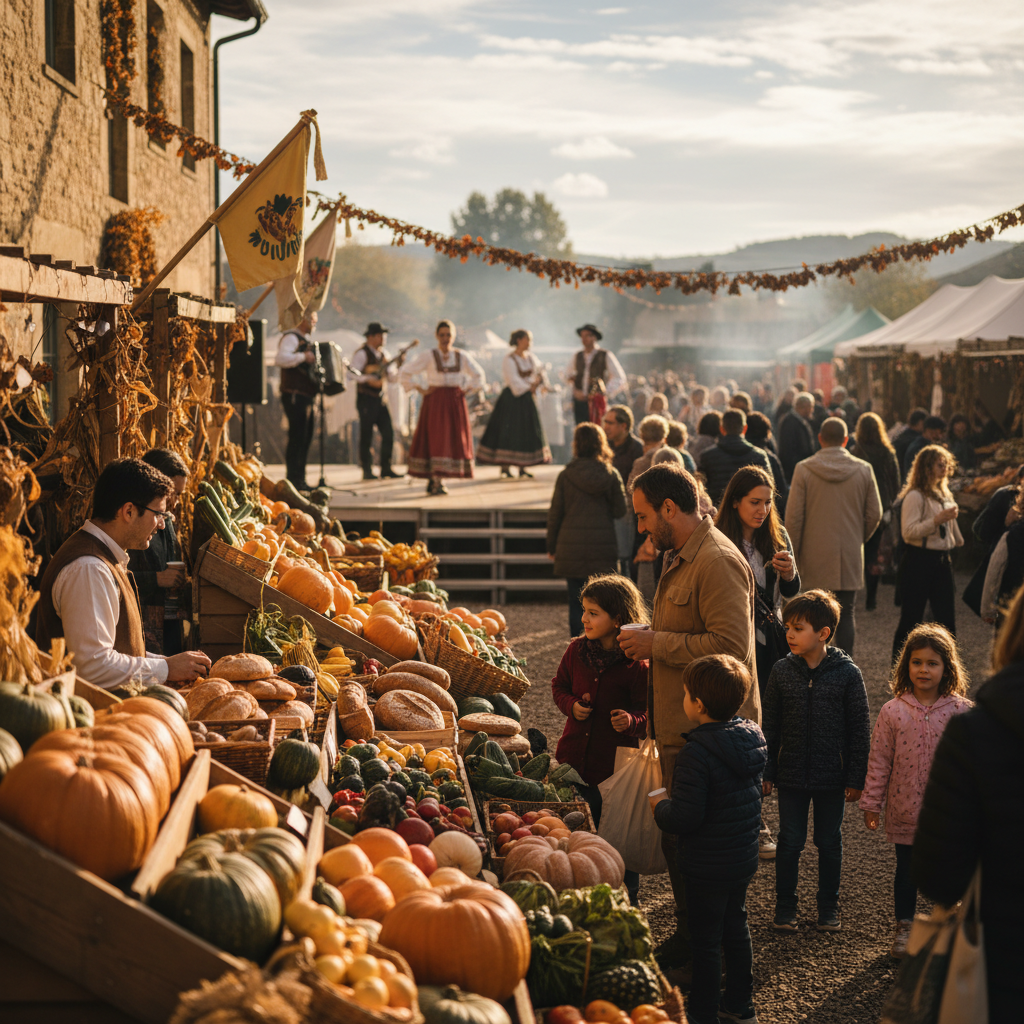
This guide narrows the noise, gives you a quick way to match destinations to your travel style, and adds a few practical checks that keep your trip respectful and easy to execute.
What most travelers get wrong about harvest festivals
Many people search harvest festivals like they search “best fall weekend,” then get surprised when the event feels either too small to navigate, or too big to enjoy.
- They treat it like a single-day event when many festivals run across multiple weekends, with different rituals on different days.
- They book based on a headline name and miss nearby towns where the cultural elements stay stronger and the crowds thin out.
- They assume every harvest festival is “food + crafts” but in many places it includes religious ceremonies, ancestor traditions, or strict etiquette around photos and dress.
- They ignore shoulder timing, arriving at peak hours, then blaming the destination for being chaotic.
According to UNESCO, intangible cultural heritage includes living traditions and community practices, and festivals often sit right in that category, which is why being a considerate guest matters more here than on a typical sightseeing day.
How to pick the right harvest festival travel spots (fast checklist)
If you only do one thing, match the destination to your “culture comfort level,” not just your calendar.
Quick self-check
- If you want hands-on participation, look for places that advertise community workshops, farm visits, or shared meals.
- If you prefer watch-and-learn, prioritize parades, dance showcases, craft demonstrations, and museum partners.
- If you dislike crowds, choose regional festivals over national-famous ones, and aim for weekday programming.
- If you travel with kids, prioritize destinations with daytime schedules, clear safety logistics, and easy food options.
- If you’re photography-forward, confirm rules around sacred spaces and ask before close portraits, many communities expect it.
Also, sanity check the season: “harvest” varies by crop and hemisphere, so dates can shift year to year, and local weather may push schedules around.
Culture-rich harvest festival destinations worth considering
Below are places that many travelers associate with harvest time, plus the cultural angle that tends to make them memorable. Think of these as starting points, then verify exact dates and neighborhood-level programming before you book.
Japan (autumn matsuri and harvest gratitude)
In many regions, autumn festivals connect to harvest appreciation and local shrine traditions, with portable shrines, taiko drumming, and neighborhood food stalls. The cultural payoff comes from watching how tightly the event ties to place, blocks, and families, not just the headline performance.
Germany (wine harvest festivals in smaller towns)
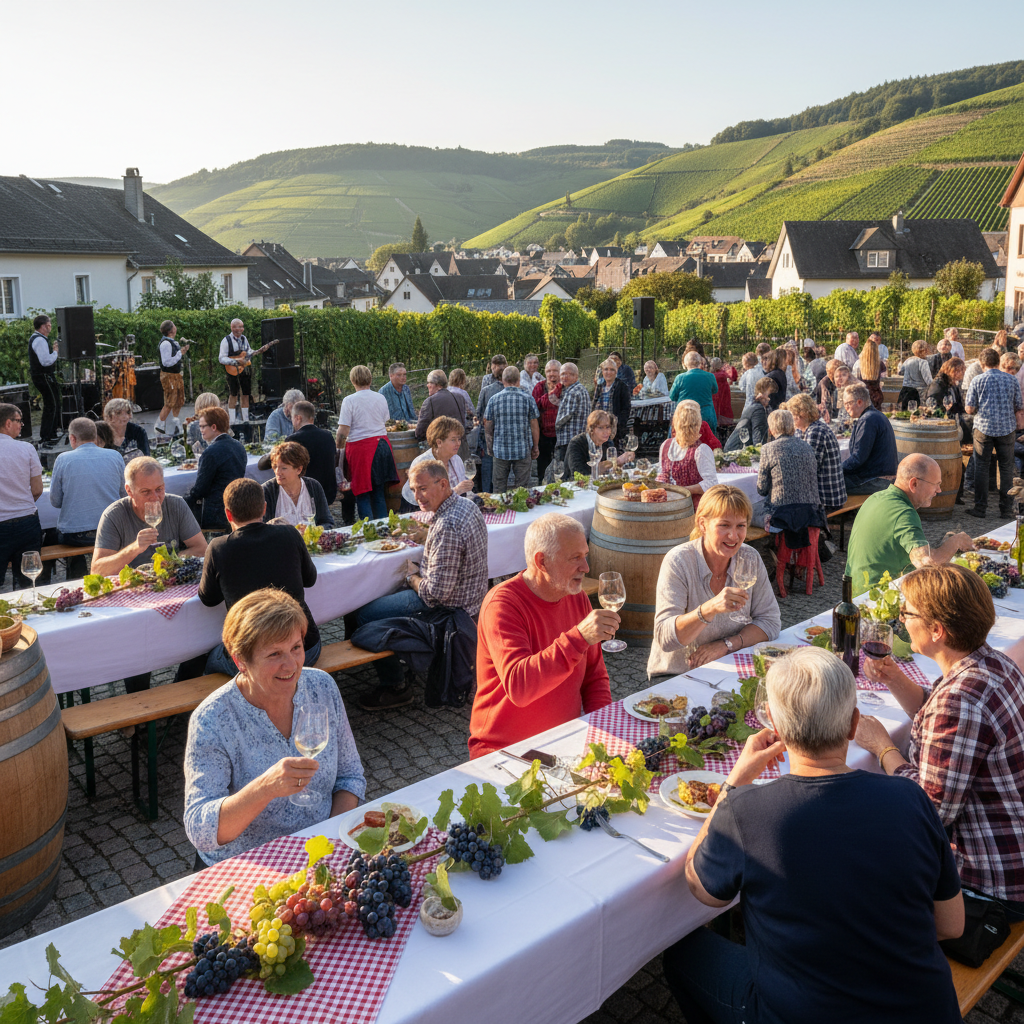
Beyond the biggest beer-centric events, wine regions often host grape harvest celebrations with local music, seasonal menus, and cellar tastings that feel grounded in community routines. For travelers, this can be one of the most approachable harvest festival travel spots if you want culture plus easy logistics.
Mexico (Day of the Dead season and regional harvest foods)
While not a harvest festival in the narrow sense, the season often overlaps with harvest ingredients and community markets, and many towns put deep craft and ritual front and center. The key is to treat it as a cultural moment, not a costume party, and to follow local guidance about cemeteries and altars.
United States (regional harvest fairs and Indigenous events)
In the U.S., you’ll find county fairs, apple festivals, and pumpkin weekends everywhere, but the cultural depth varies. Some of the most meaningful trips come from pairing a harvest fair with local history, foodways, and, where available and open to visitors, Indigenous-led cultural programming. According to the National Park Service, many historic sites and cultural landscapes interpret living traditions and local heritage, and their event calendars can be a practical way to find context-rich programming.
Italy (olive harvest and food traditions)
In olive regions, harvest time can mean mill visits, tasting new oil, and village meals where “seasonal” stops being a buzzword and becomes the entire schedule. Many activities are small and bookable, which makes Italy a solid choice if you want culture without needing to decode a huge festival footprint.
Planning table: what to book, when to go, what to watch for
Use this as a practical layer on top of your destination choice, because harvest travel succeeds or fails on small details.
| Trip element | What to do | Why it matters |
|---|---|---|
| Dates | Confirm official festival pages and local tourism calendars, then re-check 2–4 weeks before | Weather and crop timing can shift schedules, especially outdoors |
| Lodging | Stay 20–40 minutes outside the main venue if you want calmer evenings | Crowd pressure and price spikes often concentrate in the center |
| Transportation | Choose walkable areas, confirm last train/bus times, pre-book rides when service is limited | Events can end late, and rural transit may thin out |
| Tickets | Reserve tastings, workshops, and farm tours early, keep parade viewing flexible | Small-group cultural experiences sell out faster than general entry |
| Etiquette | Ask about photo rules, dress expectations, and sacred spaces | Respect is the difference between “visitor” and “intrusion” |
Make it cultural, not just seasonal: a simple on-the-ground strategy
If you want the trip to feel cultural, plan for three layers: one public moment, one food moment, one learning moment.
- Public moment: parade, dance showcase, or community procession where you can observe local rhythms.
- Food moment: a market crawl or tasting focused on what’s actually harvested there, apples, grapes, rice, olives, corn, you name it.
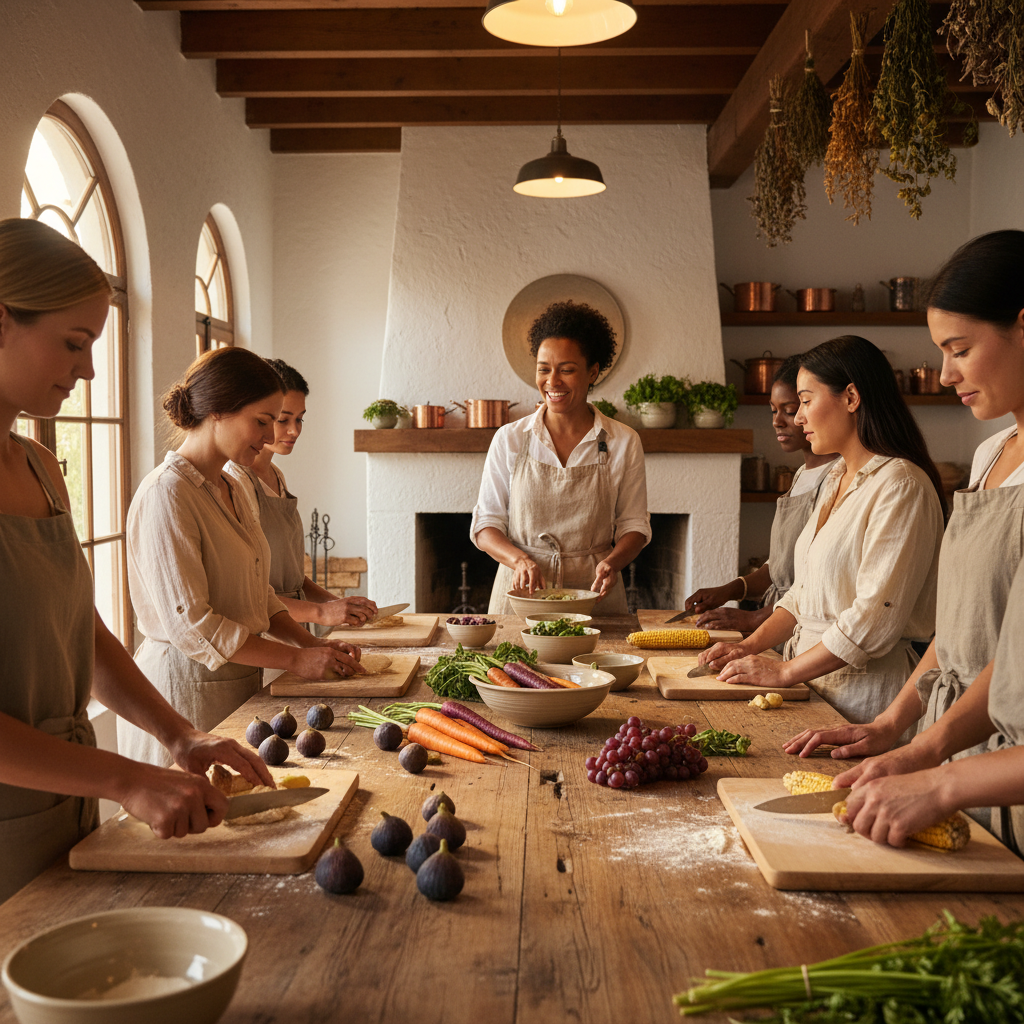
- Learning moment: museum exhibit, heritage site, farm tour, or workshop that explains why the tradition exists.
That mix reduces the risk of a “one-and-done” afternoon and makes harvest festival travel spots feel like a story instead of a checklist.
Practical tips for a smoother, more respectful visit
These are the moves experienced travelers quietly rely on, especially in places where festivals run on local norms, not tourist signage.
- Arrive earlier than you think, then take a break mid-day, and come back for evening atmosphere if the area feels safe for your situation.
- Carry cash for small vendors, but avoid flashing large amounts in crowded areas.
- Keep a “photo pause” habit, when you feel the urge to shoot, watch for 10 seconds, then decide if it’s appropriate.
- Pack for weather swings, many harvest events run outdoors, and you’ll stand still more than usual.
- Food safety is personal, if you have allergies or medical conditions, read labels, ask questions, and consider consulting a clinician for travel guidance.
Key takeaways (so you can decide today)
- Pick harvest festival travel spots by cultural fit, not just popularity.
- Prioritize one participation activity, one food experience, one learning stop.
- Re-check dates close to departure, harvest timing and weather can reshape schedules.
- Respect photo rules and sacred spaces, it protects your experience and the community’s trust.
Conclusion: choose the festival that tells you something real
The best harvest trips usually don’t feel like chasing a headline event, they feel like spending time in a place when it’s most itself, busy kitchens, proud traditions, and neighbors showing up for each other.
If you’re deciding between a few harvest festival travel spots, pick the one where you can stay an extra day, book one small-group experience, and give yourself enough space to observe without rushing, that’s where the culture tends to show up.
If you want, start by listing your ideal “three layers” day, then work backward into dates and lodging, it’s a surprisingly reliable way to plan.
FAQ
- What are the best harvest festival travel spots for cultural experiences?
Places with community-led programming tend to feel most cultural, think regional wine towns, local matsuri neighborhoods, olive harvest villages, and heritage sites that host seasonal events. - How far in advance should I book lodging for harvest festivals?
For well-known weekends, booking a few months out is common, but smaller towns can be more flexible. If the festival anchors a whole region, earlier is safer. - How do I avoid overcrowded festival areas?
Go on a weekday, arrive early, and stay outside the main venue area. Also look for “satellite” events like workshops or mill visits that spread people out. - Are harvest festivals family-friendly?
Many are, especially daytime fairs and markets. Night events may run later and louder, so checking schedules and venue layouts helps. - Is it okay to take photos at cultural festivals?
Often yes, but rules vary. If a space feels ceremonial, pause and look for signs or follow local cues, and ask before photographing individuals up close. - What should I wear to a harvest festival?
Comfortable shoes and layers cover most situations. If you expect shrine visits or religious settings, modest clothing is usually a safe default. - Can I plan a harvest festival trip on a budget?
Yes, by staying slightly outside the center, using public transit where strong, and prioritizing free cultural moments like parades, markets, and community performances.
If you’re planning a trip and want a more streamlined approach, it can help to start with your top two cultural priorities, then build a simple itinerary around transit, lodging distance, and one bookable local experience.