
Best travel guide for beginners 2026 usually comes down to one thing: reducing “unknowns” so your first trip feels exciting, not stressful. If you’re new to travel, you don’t need a perfect itinerary, you need a simple system for choosing a destination, booking smart, and handling the basics when plans change.
Beginner travelers often overspend on the wrong things, under-plan the parts that matter, and then feel stuck when flights shift, weather changes, or a hotel isn’t what the photos implied. The good news is that most of those problems are predictable.
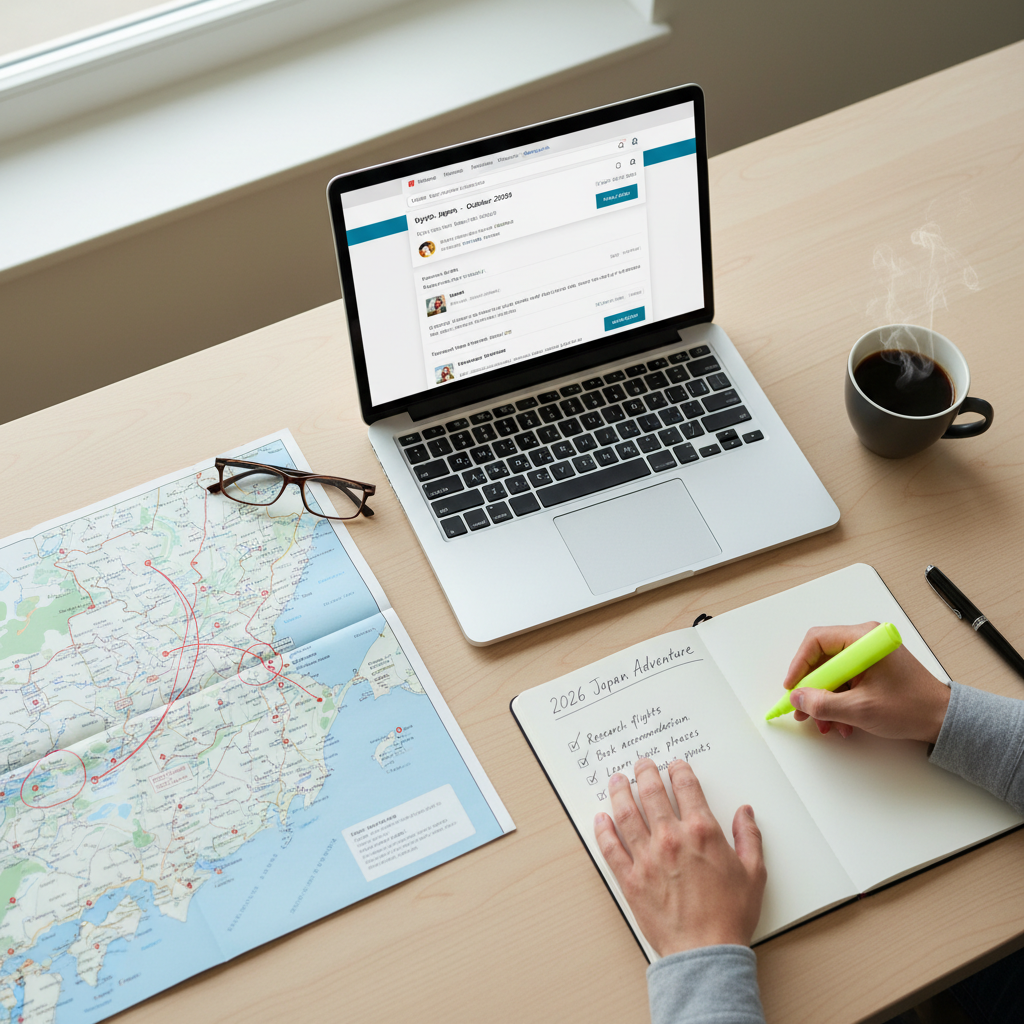
This guide focuses on practical decisions: where to go for a first trip, how to budget without guesswork, what to book first, what to pack (and what to skip), plus a few safety habits that travel veterans treat as default.
What’s different about beginner travel in 2026
Travel in 2026 is not “harder,” but it can feel more variable. Prices move fast, cancellation rules vary by provider, and you’ll see more add-ons at checkout than you expect.
Three patterns show up a lot with first-time travelers:
- Flexible rules matter more than tiny savings, especially on flights and hotels.
- Digital logistics (apps, eSIM, online check-in) reduce friction, but only if you set them up before departure.
- Entry requirements can change; you can’t rely on an old blog post.
According to U.S. Department of State, travelers should review destination-specific advisories and entry requirements before departure, because requirements can change on short notice.
Pick a first destination that sets you up to win
Your first trip isn’t the time to “prove” you can handle a complex route with tight connections. Choose a destination that forgives small mistakes and still feels rewarding.
A beginner-friendly destination checklist
- Direct flights (or one easy connection with generous layover time)
- Walkable core area so you don’t depend on complicated transit day one
- Lots of lodging options across budgets
- Simple language comfort (English-friendly signage helps, even if you want cultural immersion)
- Clear weather window for the season you plan to go
If you’re based in the U.S., many beginners do well with cities that are easy to navigate and have predictable infrastructure: major U.S. cities, Canada, parts of Western Europe, Japan, and Australia tend to be smooth for first-timers, though costs can vary a lot.

One honest tip: if you’re anxious about logistics, choose a destination where you can enjoy the trip even if you only do one “big” activity per day. That breathing room changes everything.
Build a realistic budget (without killing the fun)
Budgeting is where beginners either over-restrict and burn out, or spend casually and regret it later. The fix is to separate fixed costs from daily costs, then add a small buffer.
A simple budget framework
- Fixed: flights, lodging, travel insurance (if you buy it), major tickets
- Daily: food, local transportation, small activities, coffee/snacks
- Buffer: 10–20% for price swings and surprises, depending on risk tolerance
Example planning table (adjust to your trip)
| Category | What to include | Beginner note |
|---|---|---|
| Flights | Fare, seat selection, bags | Cheapest fare often adds fees later |
| Lodging | Nightly rate, taxes, resort fees | Prioritize location over “fancy” |
| Local transport | Airport transfers, transit passes, rideshares | Know how you’ll reach your hotel |
| Food | Meals, snacks, water | Plan one “nice” meal, keep the rest flexible |
| Activities | Museums, tours, events | Pre-book only the must-do items |
| Buffer | Delays, weather changes, minor purchases | This is what keeps you calm |
According to U.S. Federal Trade Commission, travelers should read the full terms for refunds and fees before purchasing, especially when offers look unusually cheap.
Booking order: what to lock in first (and what to keep flexible)
If you book randomly, you’ll end up designing your trip around one non-refundable decision. A cleaner approach is to lock in the pieces that affect everything else, then keep wiggle room where it’s helpful.
- Book first: flights (or transportation), then lodging in a good location
- Then: airport transfer plan, key reservations (one or two anchors)
- Keep flexible: most meals, smaller attractions, shopping time
This is where the best travel guide for beginners 2026 advice tends to be boring but true: a great location saves time, money, and decision fatigue every day.
Beginner booking rules that prevent regret
- Choose changeable fares when the price difference feels reasonable.
- Read the cancellation window, not just the star rating.
- Screenshot confirmations and store them offline.
- Don’t stack tight connections on day one.
Pack like a beginner who wants a smooth trip (not a survivalist)
Packing stress is usually “fear in suitcase form.” You imagine every possible problem, then pack for all of them. For most trips, you’ll be happier packing lighter and planning for laundry or re-wearing basics.
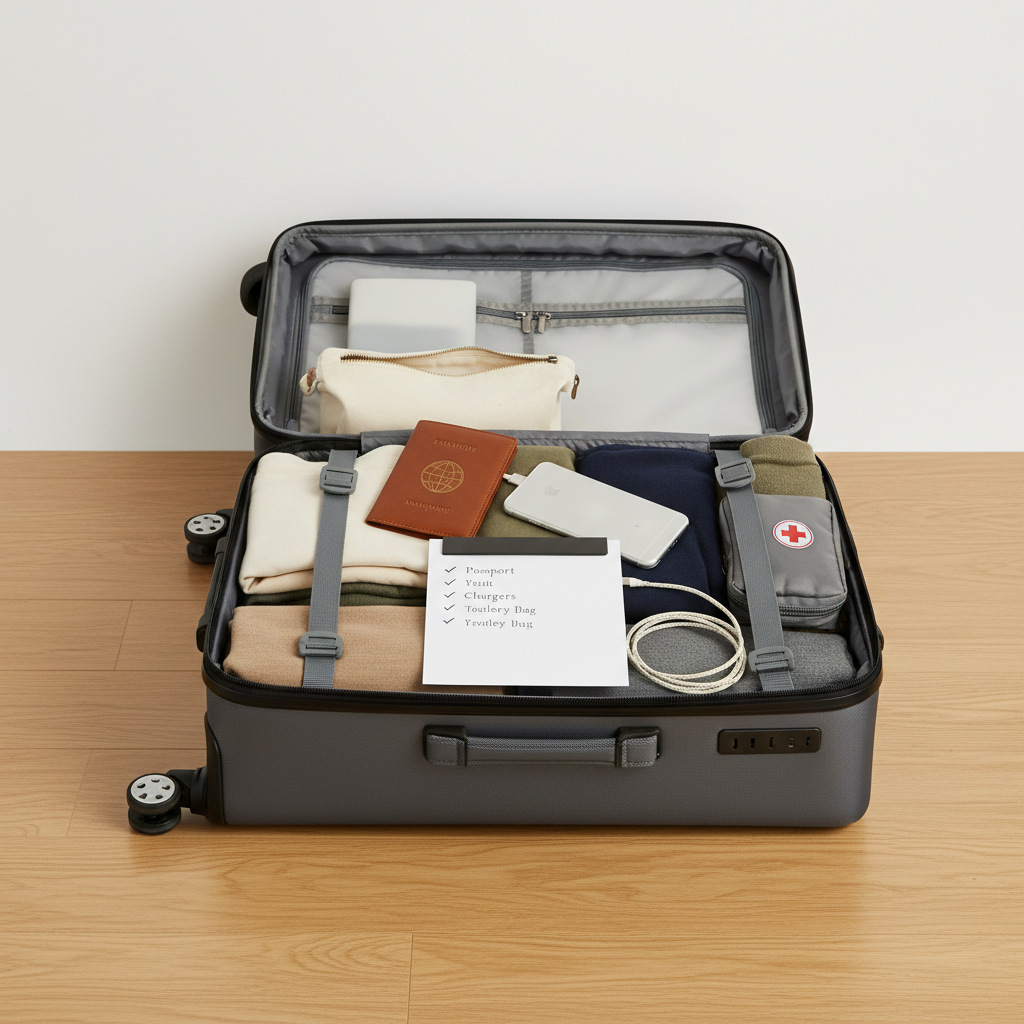
Core packing list (carry-on friendly)
- Documents: ID/passport, one backup photo copy stored securely
- Money: two payment methods, small emergency cash
- Tech: phone, charger, power adapter if needed, portable battery
- Health basics: personal meds, simple first-aid items, any prescriptions in original packaging
- Clothes: 2–3 mix-and-match outfits, one warmer layer, comfortable shoes
Health note: if you have medical conditions or complex prescriptions, it’s smart to check with a clinician or pharmacist before international travel, since medication rules can vary by country.
Two packing mistakes beginners repeat
- Overpacking “just in case” clothes and then paying baggage fees or hauling a heavy bag.
- Forgetting the boring items like a charging cable, sunglasses, or a simple day bag.
Safety and paperwork: calm, not paranoid
Safety planning isn’t about expecting the worst, it’s about reducing the chance that a small issue turns into a trip-ruiner.
- Share your itinerary with a trusted person, include lodging addresses.
- Use basic digital security: passcode on phone, avoid random public USB chargers.
- Know local emergency numbers and the nearest urgent care option, just in case.
- Keep essentials on you: passport/ID, one payment method, phone.
According to Centers for Disease Control and Prevention (CDC), travelers should review destination-specific health guidance and recommended vaccines or precautions before international trips.
For solo travel, the biggest “beginner upgrade” is simple: avoid arriving late at night if you’re nervous, and pre-plan how you’ll reach your lodging from the airport.
A 7-day practical plan you can copy (and adjust)
If you want something you can actually follow, use this week-by-week countdown. It’s designed for the way people really procrastinate.
4–6 weeks out
- Pick destination and dates, confirm passport validity if needed.
- Set a budget range, book flights and lodging.
- Check entry rules on official sources, not social posts.
2–3 weeks out
- Book any “must-do” reservations.
- Decide on phone data plan (eSIM or carrier plan) and download key apps.
- Create a simple map: hotel, transit hubs, 3–5 places you care about.
3–5 days out
- Do a packing run-through, confirm baggage rules.
- Save documents offline, screenshot reservations.
- Notify your bank if your cards tend to flag travel purchases.
Day before
- Check in, confirm airport transfer, set two alarms.
- Pack essentials on top: chargers, meds, documents.
Key takeaways: pick a forgiving destination, spend on location, keep some flexibility, and treat paperwork like a project you finish early. That combination is what makes the best travel guide for beginners 2026 feel simple in practice.
Conclusion: your first trip doesn’t need to be complicated
The goal isn’t to travel like an expert, it’s to come home thinking, “I can do that again.” Start with an easy destination, use the booking order in this guide, pack lighter than you think, and keep a buffer in both your schedule and your budget.
If you want one action right now, open a notes app and write three lines: your date range, your budget range, and two destinations that feel realistically enjoyable. That small commitment usually makes the rest of the planning much less intimidating.