
Blue hole travel guide planning often starts with a simple question—where should I go for that deep-blue “sinkhole” experience without overpaying, showing up unprepared, or picking the wrong season.
Blue holes are stunning, but they’re not all the same. Some are perfect for first-time snorkelers with calm, shallow rims, others are advanced dives with depth, overhead risk, currents, or tricky access. The details matter more than most people expect.
This guide helps you choose a destination, set a realistic budget, pack the right gear, and avoid the common mistakes that turn a dream day on the water into a stressful one.
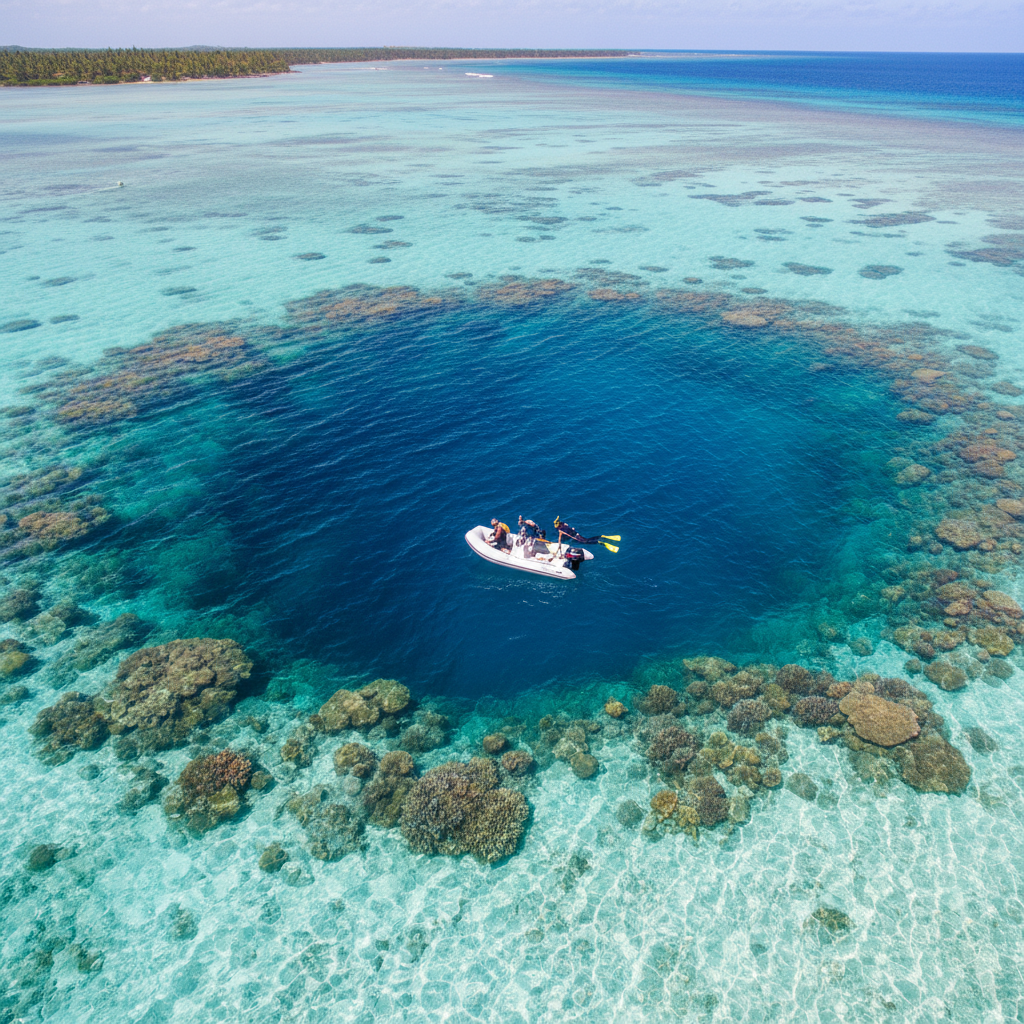
What a “blue hole” really is (and why it changes your plan)
A blue hole is typically a marine sinkhole or submerged cave system where the water shifts from light turquoise to a dramatic dark blue as depth drops fast. From the surface, that contrast looks inviting, but it can also signal sudden depth, thermoclines, limited visibility changes, or boat traffic near popular sites.
For trip planning, the key is to separate two experiences that get mixed together online: snorkeling the rim versus diving the interior. Many travelers can safely enjoy the rim with basic skills, while the interior may demand advanced training, a guide, and stricter conditions.
- Snorkeling focus: clarity, shallow reefs, easy entry, low chop, wildlife on the rim.
- Diving focus: depth profile, currents, overhead environment risk, required cert level, operator safety culture.
Top blue hole destinations: quick comparison table
There’s no single “best” spot, it depends on your experience level, budget, and how much logistics you’re willing to handle. Here’s a practical comparison many U.S. travelers use to narrow options.
| Destination | Best for | Typical conditions | Logistics vibe | Watch-outs |
|---|---|---|---|---|
| Belize (Great Blue Hole) | Bucket-list scuba day trip | Offshore, weather-dependent | Long boat day from Ambergris/Caye Caulker | Depth and nitrogen load, seasickness risk |
| Bahamas (Dean’s Blue Hole) | Shore access, freediving culture | Often calm, very deep drop-off | More independent travel planning | Depth temptation, currents possible |
| Egypt (Blue Hole, Dahab) | Advanced divers with a guide | Can have currents, varied entries | Easy to arrange locally | Overhead/arch route risk, don’t exceed training |
| Guam/Saipan (varies by site) | Clear water, mixed snorkel/dive | Pacific conditions vary by season | U.S.-friendly travel, but site-specific access | Surge near entries, local rules |
If you want one rule of thumb: if your main goal is a dramatic photo and a story, Belize can deliver, if your main goal is repeated water time with less boat exposure, shore-access destinations often feel easier.
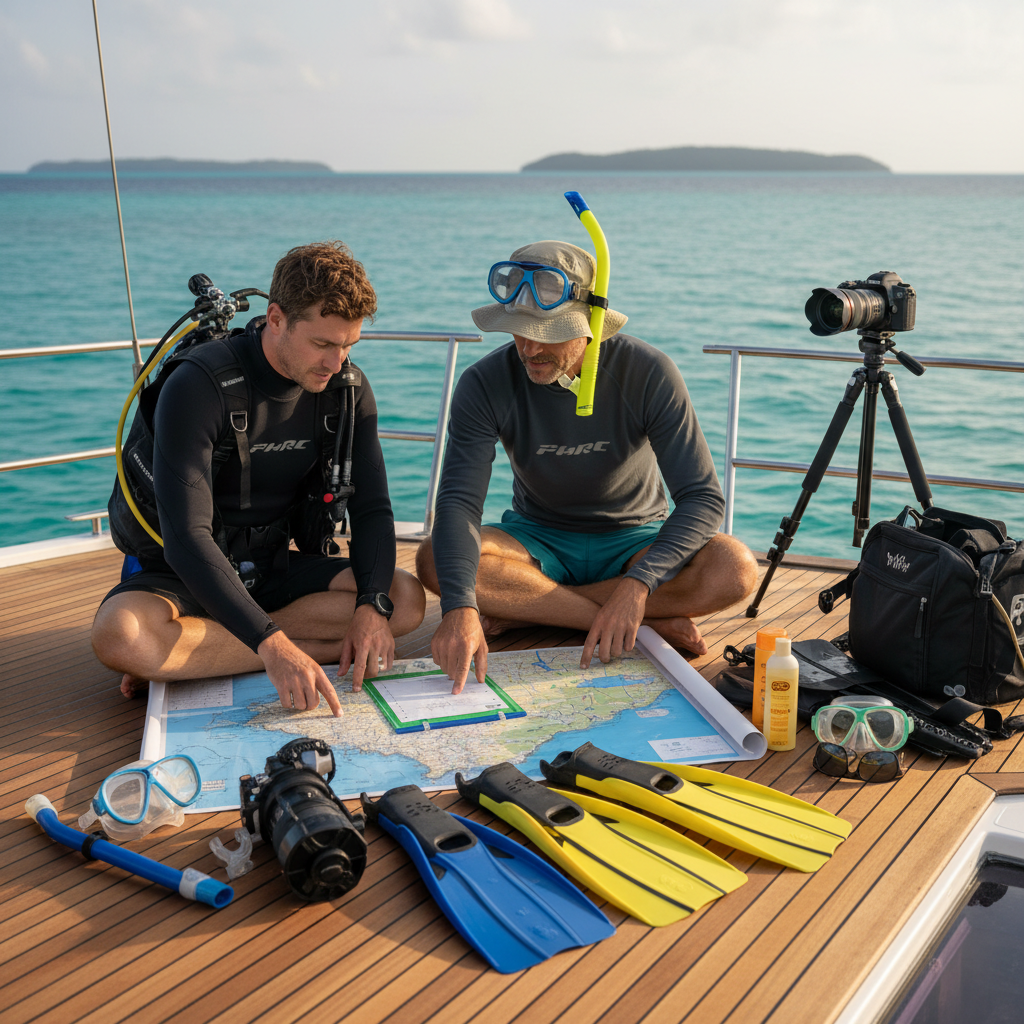
Why people get disappointed: real-world mismatch problems
Most “bad blue hole experiences” aren’t because the place is overrated, they’re because expectations and conditions don’t match. A blue hole travel guide is useful mainly because it helps you spot mismatches early.
- They expected reef snorkeling, got deep open water: some blue holes have limited coral at the center; the magic is depth, not fish density.
- They underestimated the boat day: long rides, chop, sun, and no shade can drain energy fast.
- They booked the cheapest operator: the gap shows up in briefings, group size, oxygen availability, and decision-making when weather shifts.
- They chose the wrong season: wind and visibility can flip a “glass water” dream into a rough ride.
- They weren’t comfortable in deep water: even strong swimmers can feel stress when the bottom disappears.
One small mindset shift helps: treat the blue hole as a “conditions-first” activity, not a guaranteed attraction like a museum ticket.
Self-check: are you better suited for snorkeling, scuba, or skipping?
Be honest here. This isn’t about gatekeeping, it’s about having a good day and coming home healthy.
Quick snorkeling readiness
- You can float calmly for 10–15 minutes without touching anything.
- You’re comfortable in water where you can’t stand.
- You know how to clear a snorkel, and you won’t panic if you get a little water in the tube.
- You can manage sun exposure: rash guard, hydration, breaks.
Quick scuba readiness
- Your certification and recent dives match the site plan, not just the “cool factor.”
- You’re comfortable controlling buoyancy near walls and drop-offs.
- You use a computer, understand no-decompression limits, and you’re willing to end the dive early if you feel off.
Signs you should skip or modify the plan
- You feel pressured to “go deep” to make the trip worth it.
- You get motion sick easily and the ride is long.
- You’re not confident in open water and conditions look choppy.
According to Divers Alert Network (DAN), diver safety improves when divers stay within training limits and plan conservatively, especially around depth and exertion. That conservative approach fits blue hole days well.
How to plan your trip: timing, costs, permits, operators
This is the part that saves money and frustration. A good blue hole travel guide isn’t a list of Instagram spots, it’s a planning filter.
Season and weather: what to look up
- Wind direction and typical chop during your travel month.
- Visibility patterns for that coast, not just the country overall.
- Storm season timing and flexible cancellation policies.
Budget lines people forget
- Marine park fees or reserve permits.
- Gear rental upgrades: long fins, wetsuit, dive computer, surface marker buoy.
- Private guide cost if you want a calmer pace.
- Tips, cash-only add-ons, transport to remote docks.
Choosing an operator (what to ask)
- Group size and guide-to-guest ratio: smaller groups usually mean more actual water time and less chaos at entry.
- Safety kit on board: oxygen unit, first-aid, radio, and a clear emergency plan.
- Depth plan: what’s the max depth and typical bottom time for the blue hole portion?
- Alternatives if conditions change: do they pivot to reefs, or push the plan no matter what?
According to the National Oceanic and Atmospheric Administration (NOAA), local marine conditions and forecasts can change quickly, and checking official marine weather products is a practical step before open-water activities. Even if you rely on an operator, you can still glance at the marine forecast to know what kind of day you’re buying.
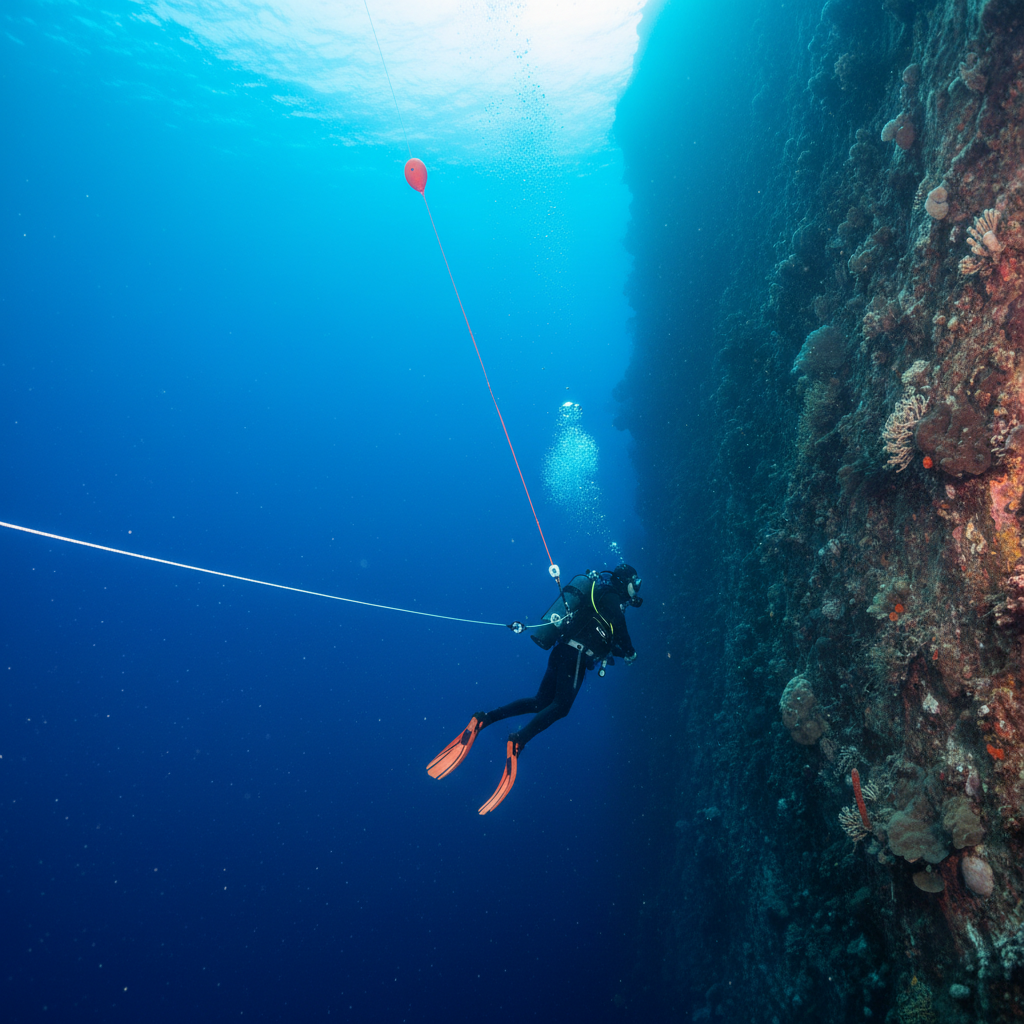
Practical packing list and on-site habits that make the day easier
People tend to obsess over cameras and forget the basics. The basics are what keep you comfortable enough to enjoy the moment.
For everyone (snorkel or scuba)
- Reef-safe sun protection plus a rash guard for fewer reapplications.
- Electrolytes and water, especially on full-day boats.
- Dry bag, hat, and something windproof for the ride back.
- Motion sickness plan if you’re prone, ideally discussed with a pharmacist or clinician if you’re unsure what’s appropriate.
Snorkeling-specific
- Mask that fits your face well, a leaky mask ruins the day.
- Fins you can kick efficiently without cramping.
- Float or snorkel vest if you want more comfort in deep water, many tours allow them.
Scuba-specific
- Dive computer you know how to use, not a brand-new one you’re guessing through.
- Surface marker buoy and spool if the operator recommends it for offshore sites.
- Log your recent dives so the staff can match you to an appropriate plan.
Key point: If you’re tired, cold, dehydrated, or anxious, your decision-making gets worse. Blue hole environments often reward calm, conservative choices.
Safety notes and common mistakes (especially for bucket-list dives)
This section is intentionally blunt. Blue holes can be safe in the right conditions with the right plan, but “cool factor” can nudge people into decisions they wouldn’t make on a normal reef dive.
- Don’t chase depth for bragging rights: deep profiles increase gas use and nitrogen load, and reduce time.
- Avoid overhead routes unless trained: arches and cavern-like features can be tempting, but overhead environments require specific training and redundant planning.
- Mind buoyancy near walls: it’s easy to drift deeper without noticing when the background turns dark.
- Respect no-touch rules: fragile rims and coral take damage fast, plus cuts can get infected.
- Plan the day after: if you fly soon after diving, follow conservative no-fly guidance and ask your dive shop if you’re unsure.
According to Professional Association of Diving Instructors (PADI), divers should dive within training and experience, and follow safe diving practices as taught in certification programs. If your plan feels like it relies on luck, that’s usually a sign to scale it back.
How to build a simple 3-step itinerary (that actually feels relaxed)
Here’s a format that works for many travelers, especially if you want both “wow” and enjoyment.
- Step 1: Pick your primary experience (snorkel rim, scuba bucket-list, freedive training day) and choose a destination that matches it.
- Step 2: Add a buffer day for weather, fatigue, or rescheduling. Many trips fall apart when every day is booked tight.
- Step 3: Pair the blue hole with a reef day so you get color, fish life, and longer water time even if the blue hole portion is short.
This approach also protects your mood. If conditions cancel the main trip, you still have a strong Plan B that feels like a win.
Conclusion: what to do next
A good blue hole travel guide should leave you with fewer “maybe” decisions. Decide whether you want a rim snorkel day or a deeper scuba objective, then choose the destination and operator that fits your comfort level, not just your feed.
If you do one thing today, make it this: write down your non-negotiables, like max depth, group size, and a weather-cancellation policy, then book around those. The ocean usually rewards people who plan with humility.
FAQ
What is the best blue hole for first-time snorkelers?
Many first-timers do better at blue holes with shallow reef rims and easy entries, rather than offshore deep-water sites. Ask operators how much time is spent on shallow snorkeling versus open-water transit.
Is the Great Blue Hole in Belize worth it if I mostly want marine life?
It can be worth it for the bucket-list feel, but many travelers prefer pairing it with reef sites for more colorful, fish-dense time in the water. If your priority is coral and variety, allocate at least one full reef-focused day.
Do I need advanced certification to dive a blue hole?
Sometimes yes, sometimes no, because “blue hole” describes many site types. The deciding factors are depth, currents, and whether there’s an overhead environment; your operator can tell you the typical profile, and you can match it to your training.
How do I choose a safe dive operator for a blue hole trip?
Look for clear briefings, reasonable group sizes, and a willingness to change plans when conditions shift. Asking about onboard oxygen and emergency procedures is normal, and a good shop won’t act weird about it.
What should I bring on a blue hole boat day?
Bring sun protection you’ll actually use, hydration, a wind layer, and a dry bag. If you get motion sick, plan ahead and consider asking a healthcare professional what options fit you.
Can kids snorkel at a blue hole?
It depends on the specific site, conditions, and the child’s comfort in deep water. Many families choose calm, shallow-rim locations and use flotation support, with close supervision and a conservative approach.
When should I skip the trip due to conditions?
If the forecast suggests rough seas, visibility is poor, or you feel unusually anxious or unwell, it’s often smarter to pivot to a sheltered reef or a land-based activity. Reputable operators typically have a Plan B.
Are blue holes dangerous?
They can be, mainly when people exceed training, ignore conditions, or treat depth casually. With conservative planning, the right guide, and honest self-assessment, many travelers enjoy them without drama.
If you’re planning your first blue hole day and want a lower-stress route, bring your rough dates, your swim or dive comfort level, and your budget range, then build a short list of destinations and operator questions before you book anything—this usually saves money and avoids last-minute compromises.