
Coastal path walking guide searches usually mean one thing: you want the views without the chaos, wrong timing, or a “scenic” trail that turns into a stressful slog. This guide focuses on what makes coastal walks feel rewarding in real life, not just pretty in photos.
Coastal trails can be deceptively tricky, tides shift access, winds change comfort fast, and “short” distances can feel long when the surface turns rocky. A little planning often decides whether you finish smiling or watching the sun set from the wrong side of a headland.
You’ll get a practical route-picking framework, a quick self-check to match trails to your comfort level, packing and navigation habits that prevent common mistakes, plus a simple planning table you can reuse for any coastline.
What makes a coastal walk “worth it” (and why some disappoint)
Most “view” disappointment comes from timing and expectations, not the coastline itself. The same trail can feel average at noon and unforgettable at sunset, or feel crowded at midday and peaceful early.
- Light direction: West-facing cliffs often shine later in the day, east-facing sections can peak in morning.
- Tide access: Some beaches, coves, and rock shelves vanish at high tide, and the detour can ruin the vibe.
- Wind exposure: A ridgeline in steady wind can feel colder and less enjoyable than forecast temps suggest.
- Footing: “Coastal path” can mean sand, compact dirt, slick rock, or uneven stairs, each changes pace.
- View frequency: Clifftop routes usually deliver continuous vistas, while bluff-back trails offer occasional lookouts.
According to the National Weather Service, rip currents and changing surf conditions can create hazards quickly, even on days that look calm from a viewpoint. That matters because “going down to the water for a photo” is often where people get surprised.
Choose the right coastal trail: a quick decision framework
If you’re choosing between multiple options, use a few filters instead of scrolling photos forever. The goal is to match the route to how you like to walk, and to what the coastline will allow that day.
Start with your “view style”
- Big horizon views: Headlands, cliff paths, lighthouse walks, open bluffs.
- Close-up drama: Sea stacks, tide pools, rocky coves, wave-cut platforms.
- Quiet and meditative: Dunes, long beaches, coastal forests with occasional overlooks.
Then sanity-check logistics
- Out-and-back vs. point-to-point: Point-to-point needs a shuttle plan, out-and-back keeps it simple.
- Elevation realism: Coastal routes still climb, especially on headlands and stair-heavy sections.
- Parking and timing: Some iconic coastal lots fill early, and that alone can change your day.
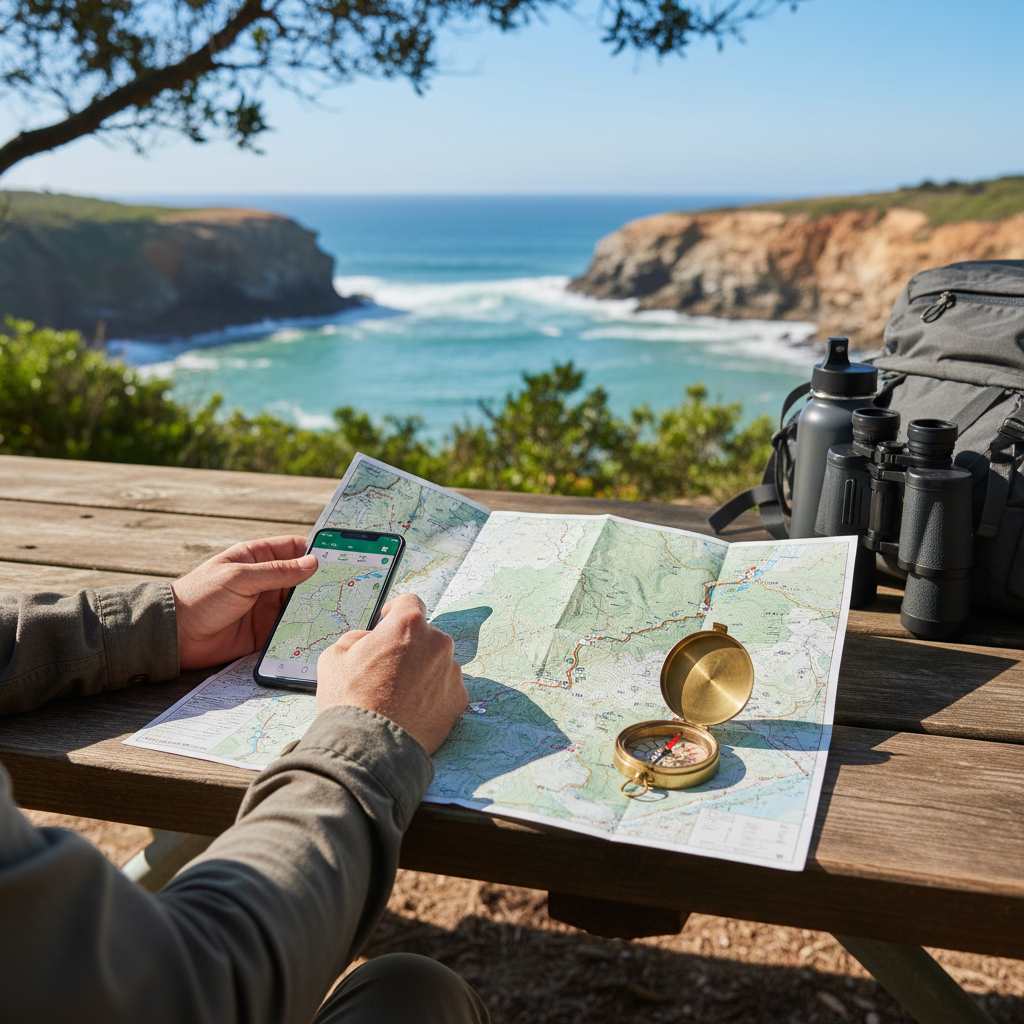
If you use a coastal path walking guide app or GPX track, still keep one backup option, like an offline map or printed overview. Coastal signal can drop in pockets, and relying on one device is where small issues snowball.
Self-check: which coastal walk fits you today?
This is the part people skip, then wonder why they hated a “must-do” route. Pick the column that sounds like you, and plan accordingly.
| What you want today | Best-fit route traits | Common trap |
|---|---|---|
| Easy views with low stress | Wide paths, frequent turnarounds, steady grades, established viewpoints | Choosing a “short” rocky cove walk that walks slow |
| Epic photos and drama | Headlands, cliffs, sea stacks, timed for golden hour, wind-aware | Not checking wind or exposure, arriving in flat noon light |
| Beach + tide pools | Low-tide window, safe access points, clear exit route | Getting cut off by incoming tide |
| Workout hike | Big elevation, rugged footing, longer distances, earlier start | Underestimating fuel/water needs in wind |
If more than one “common trap” feels familiar, keep the route simpler and focus on timing and comfort. You can always come back for the harder variant when conditions line up.
Practical planning that improves views (timing, tides, weather)
The most “unfair advantage” in coastal walking is not fitness, it’s timing. A solid plan is usually a few short checks, not an hour of research.
- Check wind, not just temperature: Coastal wind can raise the effort level and lower comfort fast.
- Use the sun like a photographer: Decide whether you want the sun behind you for brighter water, or side light for texture on cliffs.
- Know your tide sensitivity: If your plan includes coves, rock shelves, or tide pools, treat tide charts as a must.
- Build a turnaround time: Especially if you’re chasing sunset, plan the walk back before it gets dark.
According to the NOAA, tide predictions vary by location and can be affected by local coastal features. In many situations, it’s smart to use a tide station closest to your specific beach or cove, not a general regional number.
On-trail execution: pacing, navigation, and “don’t ruin it” habits
A coastal path walking guide can tell you where to go, but it won’t save the day if you rush the best sections or miss the turn that leads to the overlook.
Pace for footing, not distance
- On sand and rock, plan slower miles, even if the map looks short.
- On cliff paths, pause at safe pullouts, your legs recover and your photos improve.
- If you’re walking in a group, agree on “photo stops” so nobody feels dragged.
Navigation that prevents dumb detours
- Download offline maps before you arrive, especially for state parks and remote coasts.
- Confirm your route at junctions, coastal trails often have social paths that look tempting.
- If your path drops to the beach, identify the exit point on the way down.
According to the National Park Service, staying on designated trails helps protect fragile coastal habitats and reduces injury risk. It also tends to keep you on the route that actually leads to viewpoints instead of dead-end spurs.
What to pack for coastal paths (simple, not overkill)
Packing for the coast is less about carrying a lot, more about carrying the right few items. Wind and spray can make “nice weather” feel rough, and that’s where comfort slips.
- Layering you can adjust: A light wind shell often matters more than a thick jacket.
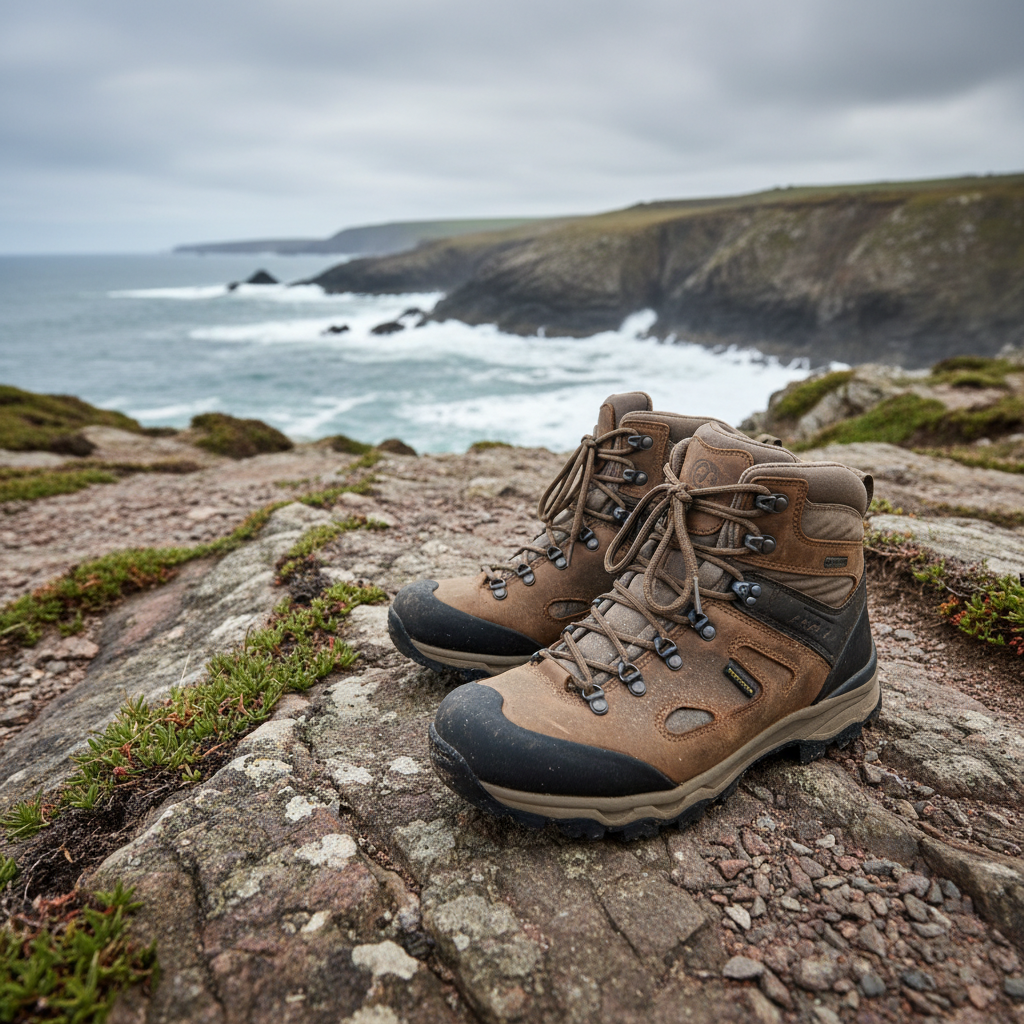
- Traction-first footwear: Good grip beats “cute sneakers” when the trail turns slick.
- Water + salty snack: Many people feel more drained on exposed coastal walks.
- Sun and glare protection: Sunglasses help more than you’d expect near water.
- Offline nav + small power bank: Photos and maps drain phones quickly.
Key takeaway: if you pack only one “extra,” make it wind protection, it’s the item that rescues the most borderline days.
Safety and etiquette: the stuff that keeps trips enjoyable
Coastal walking is generally approachable, but the hazards can be uneven, slippery rock, unstable edges, and surf that looks friendly until it isn’t. If you’re unsure, choose the conservative option and keep distance from edges and waves.
- Cliff edges: Stay back, especially in wind, and avoid unstable ground near crumbling sections.
- Rogue waves: Don’t turn your back on the ocean when you’re close to the waterline.
- Tide timing: If you’re even slightly late for a low-tide window, adjust the plan.
- Leave no trace: Pack out trash, avoid trampling vegetation, keep noise low in wildlife areas.
According to the U.S. Coast Guard, coastal conditions can change rapidly and water-related incidents often escalate faster than people expect. If a section feels sketchy, that’s usually your cue to step back, not to push through for a photo.
Conclusion: how to get better views with less friction
A good coastal walk rarely comes from finding a “secret” trail, it comes from picking a route that matches your day, timing it for light and tide, and walking it with enough margin that you can actually enjoy the scenery.
If you take two actions, make them these: check tide and wind before you commit, then plan a turnaround time so the last mile never becomes a scramble. Your photos improve, and your mood stays intact.
FAQ
What is the best time of day to use a coastal path walking guide for views?
Early morning and late afternoon tend to produce better light and fewer crowds. Many coastal overlooks look more dramatic when side light brings out cliff texture, so “golden hour” often helps.
How do I know if a coastal trail is tide-dependent?
If the route description mentions beaches, coves, tide pools, rock shelves, or “only accessible at low tide,” treat it as tide-sensitive. When in doubt, check park notices and a local NOAA tide station.
Are coastal paths harder than inland trails with the same mileage?
Often, yes. Sand, rock, stairs, and wind can slow pace and increase effort. Plan extra time until you know how that coastline feels underfoot.
Do I need hiking boots for a coastal walk?
Not always. For groomed bluff trails, sturdy walking shoes may be fine, but for rocky coves or uneven cliff paths, better traction and ankle stability can make a noticeable difference.
What should I do if the trail gets crowded?
Shift timing if you can, even an hour earlier changes the experience. On-trail, use pullouts for breaks and let faster hikers pass, it keeps everyone calmer.
How much water should I bring for a coastal path hike?
It depends on distance, exposure, and temperature, so there’s no single number that fits everyone. If the route is windy and exposed, bring a bit more than you think and consider electrolytes if you sweat a lot, and if you have medical concerns, it’s reasonable to ask a clinician.
Is it safe to go down onto rocks near the ocean for photos?
It can be risky. Wet rocks get slippery, and unexpected waves happen. If you can’t identify a safe retreat route and you feel unsure, keep your photos from a higher, drier viewpoint.
If you’re planning a trip and want a more tailored coastal path walking guide approach, it can help to share your fitness level, the season, and whether you prefer cliffs, beaches, or tide pools, then build a route plan around timing and logistics instead of guesswork.