
State forest travel day trips work best when you treat them less like “a quick escape” and more like a small, well-timed plan you can actually finish before dark.
If you live near a state forest, you already have the main advantage: you can go on a random Tuesday, leave after rush hour, and still be back in time for dinner. The catch is that many local day trips fail for predictable reasons, wrong trail choice, underestimating drive time on forest roads, or arriving when the parking lots are already full.
This guide keeps it practical: how to pick the right kind of forest day trip for your schedule, what to pack without overpacking, and the simple checks that prevent avoidable problems. You’ll also see a few “if this, then that” choices, because the best day trip depends on your fitness, weather, and how remote the forest feels.
What “local” state forest day trips usually get wrong
Most day trips go sideways for boring reasons, not dramatic ones. Fix those, and the outing gets easier fast.
- Drive time gets underestimated. Forest highways are fine, but gravel spurs, slow turns, and gate detours add up. A 12-mile “as the crow flies” distance can become an hour.
- People pick a hike based on miles, not terrain. Five miles on rocky grades can feel like ten on a flat rail trail. Elevation and footing matter more than distance.
- Arrival time is off. Late morning starts often mean no parking at popular lakes and waterfalls, plus hotter temps and more bugs.
- Cell service assumptions. Many state forests have patchy coverage. That changes navigation, safety, and even simple coordination when your group spreads out.
- Permits and rules get missed. Some areas restrict fires, require day-use fees, limit dogs, or close roads seasonally.
According to the U.S. Forest Service, visitors should plan for changing weather and prepare for limited services in forest settings, which applies just as much to a state forest day trip as it does to longer outings.
Choose the right type of day trip (match it to your day, not your mood)
If your goal is “get outside” without turning the whole day into logistics, pick a trip style first, then pick the place.
Quick reset (2–4 hours total, including drive)
- Short loop trail near the main entrance, a riverside walk, or an overlook with a short approach
- Best for weekdays, winter daylight, or families with tight nap/meal windows
Classic half-day (4–7 hours total)
- Moderate hike plus one “anchor” stop: lake, waterfall, historic site, fire tower
- Room for a picnic, photos, and slower pace without racing sunset
Adventure day (7–10 hours total)
- Longer loop, multiple stops, maybe a paddle, swim, or gravel-road scenic drive
- Works best when you start early and have a backup plan if weather shifts
For most locals, the sweet spot is the half-day format, it feels like a real break, but you still sleep in your own bed without dragging through the next morning.
A fast self-check: are you planning a “smooth” day trip or a “hard” one?
Use this as a quick filter before you commit. If you answer “yes” to several in the right-hand column, adjust the plan or bring more margin.
| Trip factor | Smooth day trip | Hard day trip |
|---|---|---|
| Trail conditions | Wide trail, stable footing | Rocky, muddy, steep, or overgrown |
| Navigation | Well-marked loops | Junction-heavy, faint spur trails, limited signage |
| Access | Paved road, reliable parking | Rough roads, seasonal closures, small lot |
| Coverage | Some cell service near roads | Likely dead zones for hours |
| Weather exposure | Mixed forest shade | Ridgelines, open burns, high heat/cold risk |
Key takeaway: “Hard” doesn’t mean “bad,” it just means you plan more like you’re going somewhere remote, even if it’s close to home.
Build a simple, repeatable itinerary (locals’ version)
For state forest travel day trips, repeating a proven structure usually beats inventing a brand-new plan each time. Here’s a template that stays realistic.
- Depart: pick a leave time that puts you at the trailhead 30–60 minutes before peak crowds (often earlier than you want).
- Primary activity: one hike or one paddle, not three highlights in three corners of the forest.
- Food plan: bring lunch even if you “might stop somewhere.” Options near forests can be limited or closed midweek.
- One optional add-on: a short nature walk, overlook, or visitor center stop on the way out.
- Hard stop time: set a turnaround time, not a “finish time.” That’s how you avoid hiking out in the dark.
If you’re going with friends, decide one thing in advance: either you hike as a tight group, or you agree on meeting points and turnaround rules. Vague “we’ll figure it out” tends to create stress halfway in.
What to pack for a day trip without turning it into a backpacking load
You don’t need a 40-liter pack for most local outings, but you do need the items that cover the most common failure points: thirst, weather swing, minor injuries, and navigation.
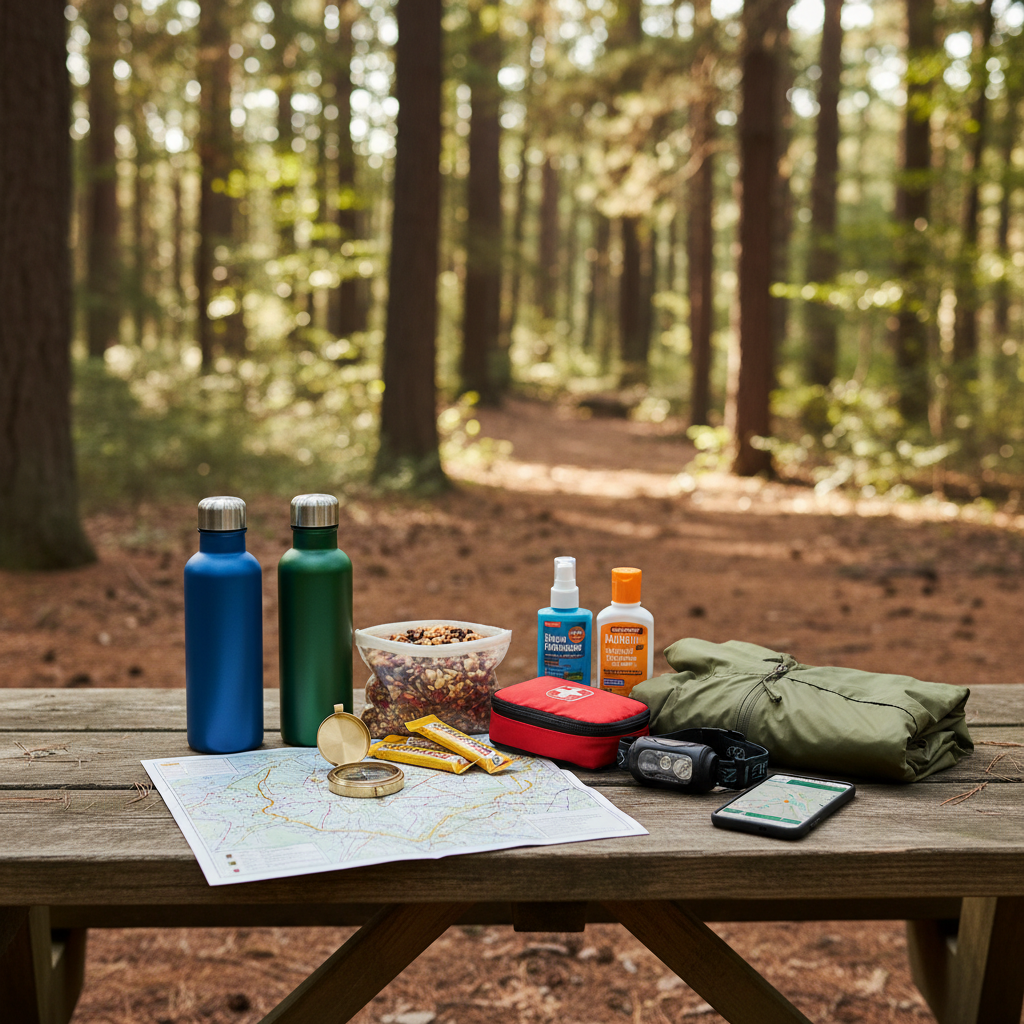
Day-trip essentials (the “don’t regret it” list)
- Water: more than you think, especially in dry or hot areas
- Food: lunch plus a salty snack, energy dips feel dramatic on the way back
- Layers: a light insulating layer and rain shell, even if the forecast looks stable
- Sun and bugs: sunscreen, hat, repellent, long sleeves if ticks are common
- Navigation: offline map on your phone plus a paper map if you’re exploring new zones
- Light: a small headlamp, not just a phone flashlight
- Basic first aid: blister care and bandages handle most day-trip issues
Nice-to-have (depends on your forest)
- Lightweight sit pad for breaks, binoculars for wildlife viewing, small trash bag for pack-out
- Trekking poles if trails get slick, a water filter if you’re confident using it and streams are reliable
According to the National Park Service, carrying basic safety items and being prepared for changing conditions helps reduce preventable incidents outdoors, the principle translates well to state forest recreation too.
On-the-ground tips that make the day feel easy
These are the small moves locals tend to learn after a few “why did we do this to ourselves” outings.
- Park like you’ll leave. Don’t block gates or squeeze into soft shoulders, towing and damage happen more often than people expect.
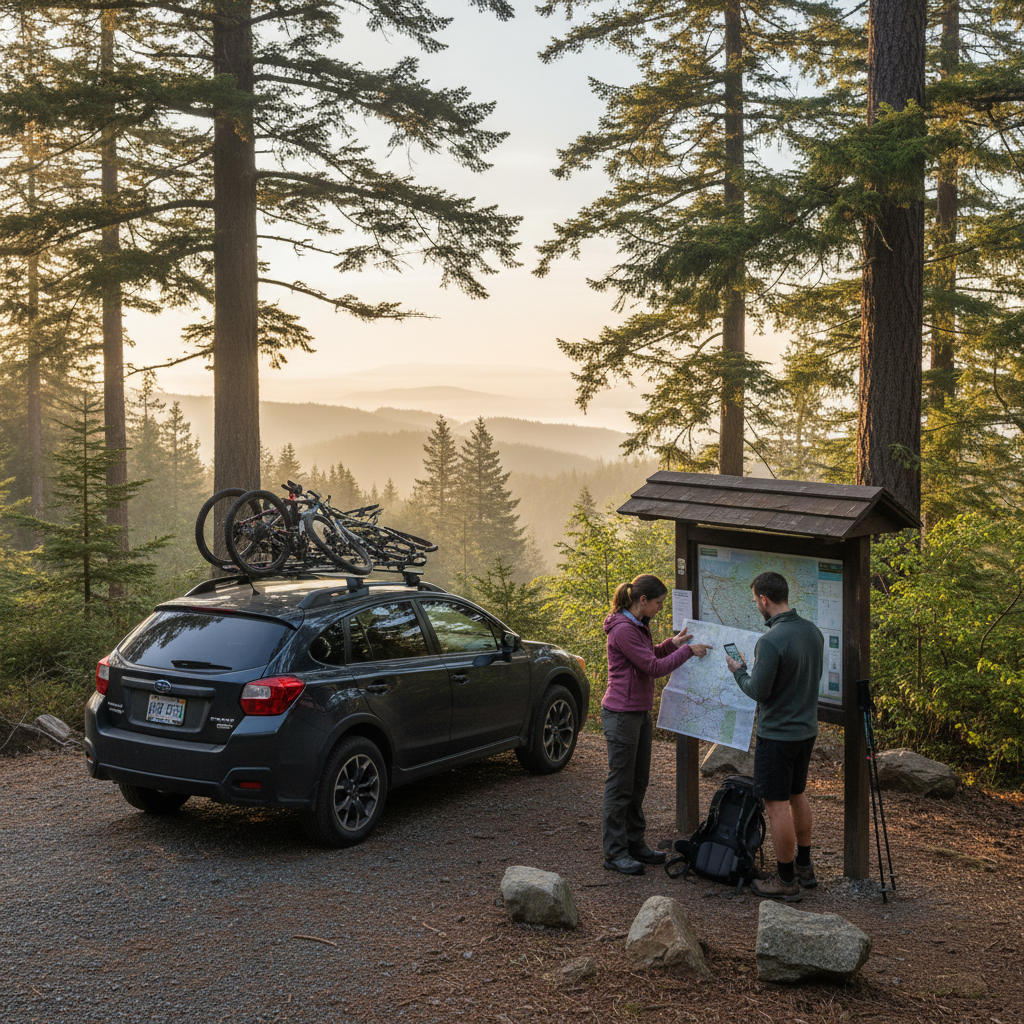
- Do a 2-minute trailhead check. Read the board, confirm the route, look for closures or fire restrictions, then start.
- Set a turnaround time early. Saying it out loud prevents the late-day debate when everyone feels invested.
- Keep one dry layer untouched. Even in mild weather, a surprise shower plus wind can make the drive home miserable.
- Leave no trace basics. Pack out trash, stay on trail, don’t shortcut switchbacks, it protects the place you rely on for frequent trips.
According to Leave No Trace Center for Outdoor Ethics, minimizing impact helps preserve natural areas and reduces conflicts with other visitors, which matters a lot in busy state forests close to cities.
Safety, closures, and when to scale back (or bail)
State forest travel day trips often feel “low stakes” because you’re near home, but weather and terrain don’t care where you live. If any of these show up, it’s usually smart to simplify.
- Heat, smoke, or poor air quality: consider a shaded short walk, higher elevation viewpoint, or skip strenuous climbs. If you have health conditions, it may help to consult a medical professional for personal guidance.
- Thunderstorms: avoid exposed ridges and open water, shorten the plan, keep an eye on changing conditions.
- Hunting seasons: check state rules, wear bright colors where recommended, and stay on established trails.
- High water crossings: don’t force it. Turning around is normal, even for experienced hikers.
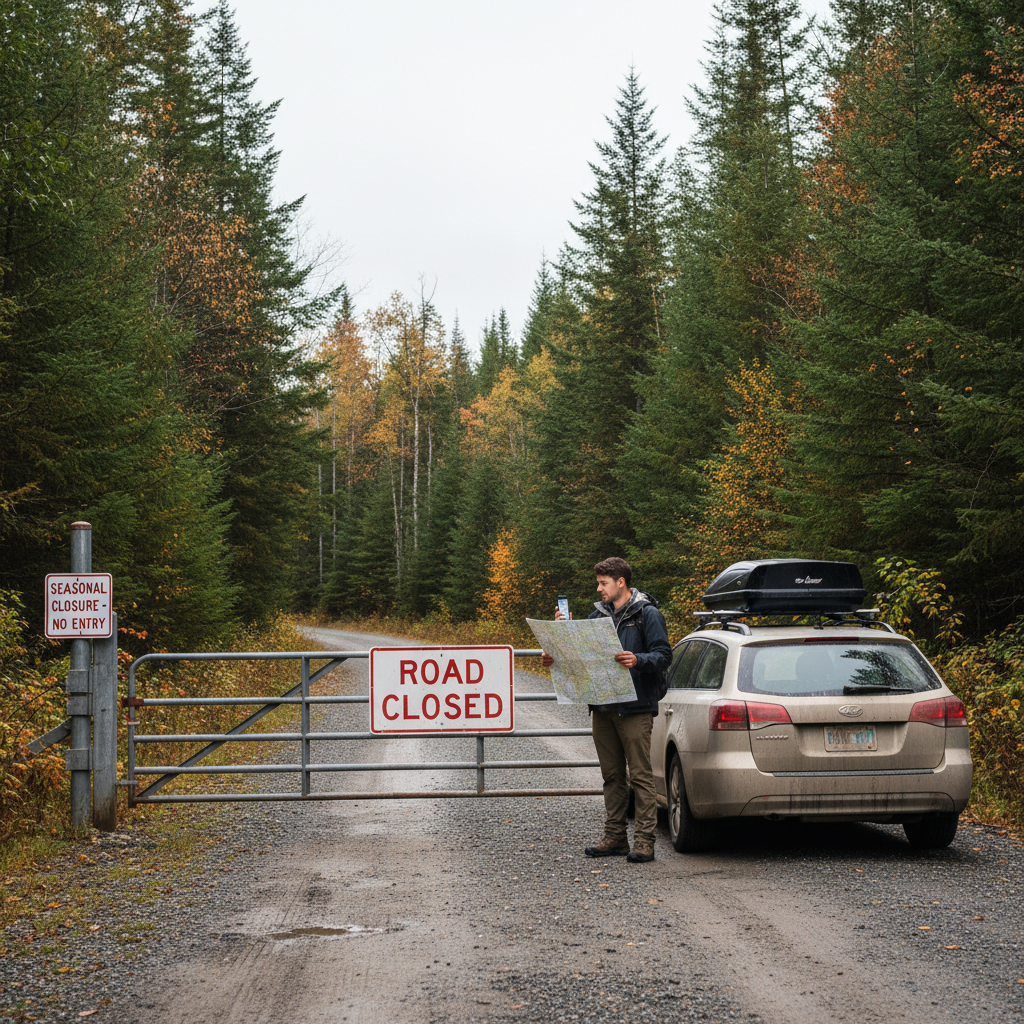
- Road closures: have one backup trailhead closer to main roads, many state forests post seasonal updates online.
If you’re traveling with kids, older adults, or anyone new to hiking, “bail early” is not failure, it’s how you keep the next trip on the calendar instead of creating a bad memory.
Practical day-trip ideas you can adapt to almost any state forest
You don’t need a specific forest name to build a good local loop. Mix and match one item from each row and you’ll have a plan.
- Anchor destination: lake loop, river trail, waterfall, fire tower, scenic overlook
- Movement style: easy loop walk, moderate out-and-back, bike-friendly route, paddle plus short hike
- Comfort add-on: picnic table lunch, sunset viewpoint near the car, visitor center stop, short wildlife boardwalk
- Weather backup: sheltered hemlock grove trail, shorter loop near the entrance, “scenic drive + 1-mile walk” plan
When in doubt, choose the version that ends with extra daylight and extra water in the bottle. That’s the version you’ll actually repeat, and repeating is what makes locals’ trips feel effortless over time.
Conclusion: make the forest close to home feel like a real getaway
The best local outings aren’t the most ambitious, they’re the ones you can pull off smoothly, even when life feels busy. If you want your next state forest travel day trips to feel less chaotic, pick one primary activity, build in a turnaround time, and pack for the predictable problems: water, weather, navigation, and a little margin.
Try this on your next free day: choose a half-day route with one scenic “anchor,” leave earlier than your instincts suggest, and keep one backup trailhead in your notes in case parking or closures change the plan.
FAQ
How do I find good state forest travel day trips near me without getting lost in options?
Start with your state forest’s official site for maps and current alerts, then cross-check with a trail app for recent conditions. If reviews mention confusing junctions or deadfall, treat it as an “advanced” option unless you’re comfortable navigating.
What time should locals arrive for popular trailheads?
Weekends often fill early, many places feel easier if you arrive in the first wave of the morning. If you can’t, pick a less famous trail or an afternoon plan with a short loop and a scenic drive instead of fighting the peak window.
Are state forests safer than national parks for day trips?
They can be just as wild, just less talked about. Safety depends more on remoteness, trail conditions, and your preparation than on the label. Check closures and don’t assume services exist.
Do I need a paper map if I have a phone?
Many day trips work fine with offline maps, but a paper map still helps when batteries die or your phone overheats. If you’re exploring deeper road networks, paper becomes more useful.
What should I pack for a short, easy walk in a state forest?
Even for an easy loop, bring water, a snack, and a light layer. Those are the items people miss most often, and they’re the simplest fixes when weather turns or a walk runs longer than expected.
Can I bring my dog on a state forest day trip?
Often yes, but rules vary by area and season. Check leash requirements, consider heat and trail surface, and bring more water than you think you’ll need for both of you.
What’s the biggest mistake locals make on “quick” forest trips?
Trying to squeeze in too many stops. A single solid loop plus a calm lunch break usually feels better than racing between three “must-sees.”
When should I consider hiring a guide or joining a group?
If you’re new to hiking, planning winter travel, navigating complex trail networks, or you want wildlife-focused trips where local knowledge matters, a guide or organized group can reduce risk and decision fatigue.
If you’re planning more state forest travel day trips and want a smoother routine, it helps to keep a reusable checklist, two “go-to” half-day routes, and one weather-proof backup so you spend less time planning and more time actually being outside.