
Travel sickness pills tips matter most when you feel nausea coming on fast and you need a plan that fits your trip, your body, and your schedule. The good news is motion sickness can often be reduced with the right timing, the right product type, and a few small habit changes that make pills work better.
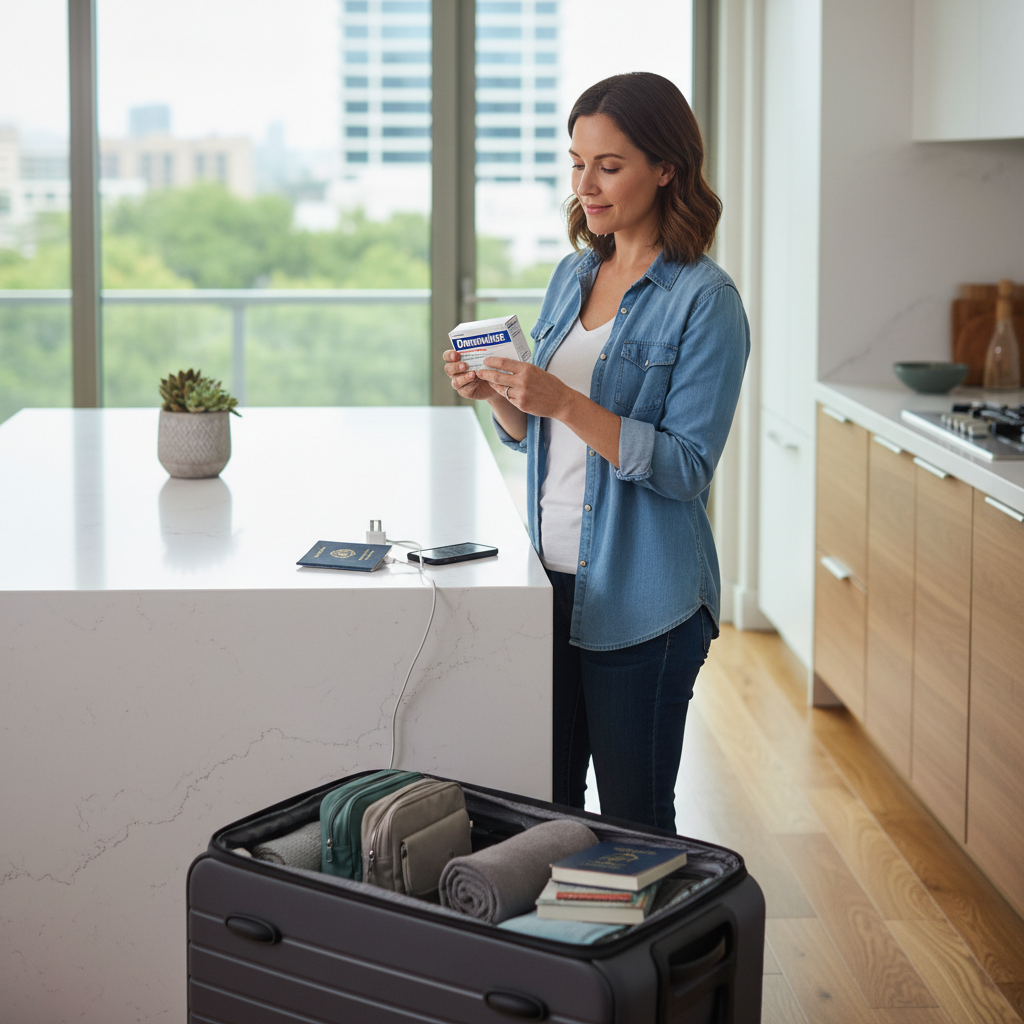
If you travel with family, drive for work, or plan cruises and flights, this question is worth getting right because motion sickness can turn a simple ride into an all-day recovery. It also gets tricky because what works for your friend may leave you drowsy, and what works on a boat might not be your best choice for a winding mountain road.
Below is a practical guide: why motion sickness happens, how to pick and time common OTC options, what to do if you still feel sick, and when it makes sense to ask a clinician, especially for kids, pregnancy, or if you take other medications.
Why motion sickness happens (and why pills help, but don’t solve everything)
Motion sickness usually shows up when your brain gets mixed signals, your inner ear senses movement, but your eyes see something that feels “still,” like a book, a phone screen, or a car interior. That mismatch can trigger nausea, sweating, dizziness, and sometimes vomiting.
Medication can reduce the nausea signaling, but reality is you often need both: a medication strategy and a “how you ride” strategy. Otherwise you take a pill, keep staring at your phone in the back seat, and then wonder why you still feel terrible.
- Triggers that commonly overpower medication: reading, scrolling, strong odors, dehydration, heavy meals, anxiety, stuffy/overheated cabins.
- Trips that raise the odds: winding roads, choppy seas, turbulence, sitting where you can’t see the horizon.
Quick self-check: which motion-sickness situation are you in?
Before you pick a product, pin down the pattern. These quick questions usually make the choice clearer.
- How fast does nausea start? Within 10–20 minutes often means you need prevention, not rescue.
- Are you driving or operating equipment? Sedating options may be unsafe.
- What’s the setting? Car, boat, plane, VR, amusement rides can respond differently.
- How long is the exposure? A 30-minute commute differs from an 8-hour offshore trip.
- Who is taking it? Kids, older adults, pregnancy, and people on other meds deserve extra caution.
If you’re not sure where you land, choose the safest baseline: non-drug tactics plus a low-risk OTC option, and test it before a big trip when possible.
Travel sickness pills tips: OTC options compared (what they do and what to watch)
Most U.S. over-the-counter motion sickness products fall into two buckets: antihistamines (often sedating) and anticholinergic prescription patches (not OTC, but commonly asked about). According to the Centers for Disease Control and Prevention (CDC), certain antihistamines can help prevent motion sickness, but they can cause drowsiness and other side effects, so planning matters.
Common options at a glance
| Option (typical) | Best for | Trade-offs | Timing tip |
|---|---|---|---|
| Meclizine | Longer trips, general prevention | Drowsiness, dry mouth in many people | Often taken before travel; follow label |
| Dimenhydrinate | Quicker onset situations, short-to-medium rides | More sedation for some, can wear off sooner | Take ahead of triggers; avoid “too late” dosing |
| Diphenhydramine | Sometimes used when other options fail | Often very sedating; not ideal for drivers | Trial before a trip, only if appropriate |
| Scopolamine patch (prescription) | Multi-day boat trips, strong susceptibility | Dry mouth, blurred vision, confusion risk in some | Applied hours before; clinician guidance |
| Ginger (supplement/candy/tea) | Mild nausea, “I want less medication” plans | Variable effect; check interactions/heartburn | Use early and consistently, not as last-minute rescue |
Key point: the “best” choice depends on your need for alertness. For many people, the main cost of antihistamine-based products is sedation, which can be a deal-breaker if you must drive, supervise kids, or work on arrival.
Timing and dosing: the part most people get wrong
One of the most useful travel sickness pills tips is simple: motion sickness meds often work better as prevention than as a fix after nausea is already rolling. If you wait until you feel sick, you may be playing catch-up for the rest of the ride.
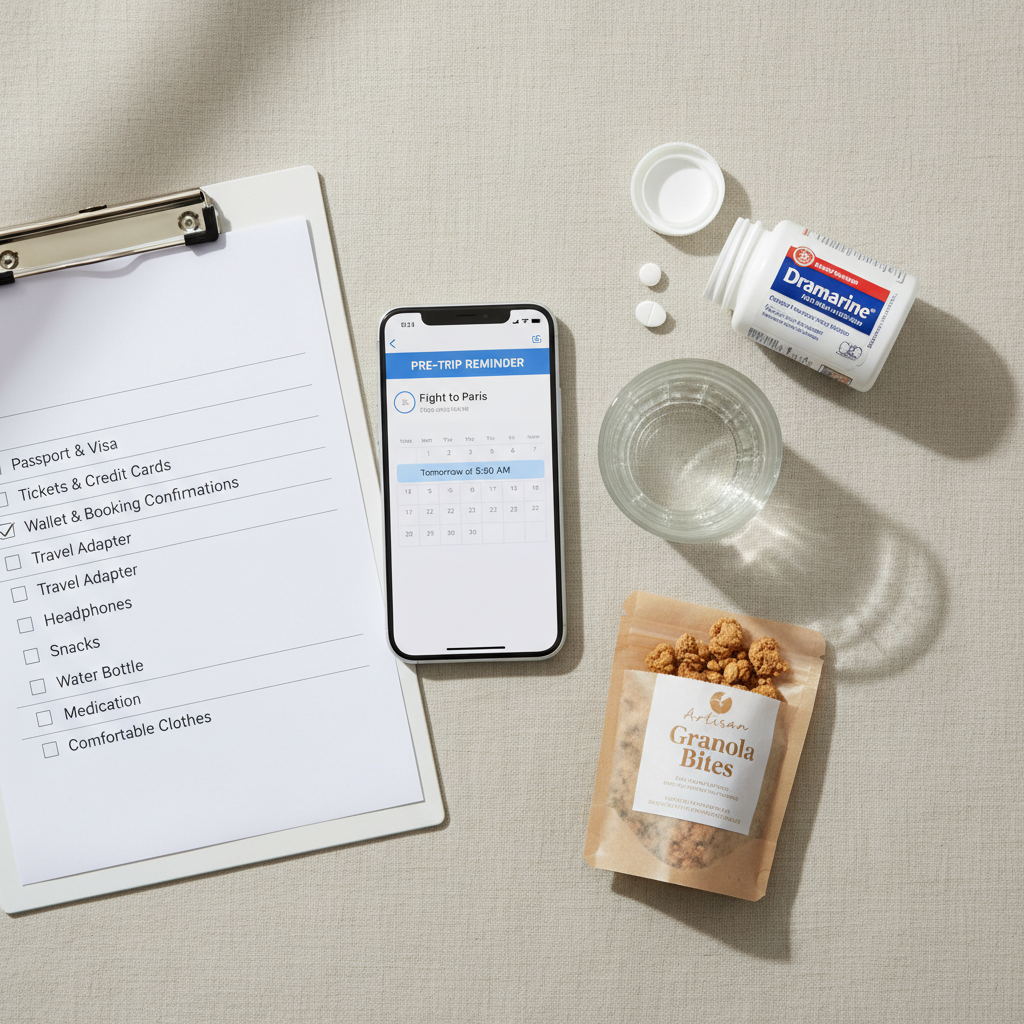
Practical timing habits that usually help:
- Set a reminder based on label directions, so you take it before the motion exposure starts.
- Pair with a small snack if the label allows and your stomach tolerates it, because some people feel worse taking meds on an empty stomach.
- Plan for duration, if your trip lasts all day, you may need a longer-acting option or a re-dose plan that stays within label limits.
- Avoid alcohol, it can worsen dizziness and amplify drowsiness from many products.
Also, check multi-symptom products carefully. Some “sleep” or “allergy” combos contain similar antihistamines, and doubling up by accident is more common than people think.
Non-pill strategies that make pills work better (especially in cars and boats)
Medication works best when you reduce the sensory mismatch that triggers nausea. This is where you can often get a big win with small changes.
- Choose the right seat: front seat in a car, near the wings on a plane, midship on a boat, these spots tend to feel more stable.
- Give your eyes a job: look at the horizon or a distant fixed point, avoid close-up reading and scrolling.
- Ventilation matters: cool air, avoiding strong food smells, and taking breaks can reduce symptoms.
- Eat “boring” on purpose: smaller meals, less grease, and fewer acidic foods often reduce nausea risk.
- Hydrate steadily: frequent small sips beat chugging, dehydration can make dizziness worse.
If you’re traveling with kids, these basics can matter even more than the specific brand. A child staring at a tablet in the back seat is a classic setup for trouble.
If you still feel sick: a realistic rescue plan
Even with solid prevention, you might still get symptoms. When that happens, the goal is to stop escalation. The worst pattern is pushing through until vomiting starts, then trying to “fix it” with more medication.
- Change visual input fast: stop reading, lift your gaze, find the horizon, slow the scrolling to zero.
- Cool down: loosen tight clothing, crack a window, use a cold compress if available.
- Take a break if you can safely stop, a 10-minute reset on stable ground helps many people.
- Small sips of water or an oral rehydration drink can help after nausea eases.
If vomiting is persistent, dehydration becomes a real concern, especially for children and older adults. In that case it’s less about “better travel sickness pills tips” and more about getting appropriate medical advice.
Common mistakes and safety cautions (so you don’t trade nausea for new problems)
According to the U.S. Food and Drug Administration (FDA), OTC drug labels are designed to help consumers use products safely, and it’s worth reading the “Warnings” section for motion sickness medications because sedation and interactions are common.
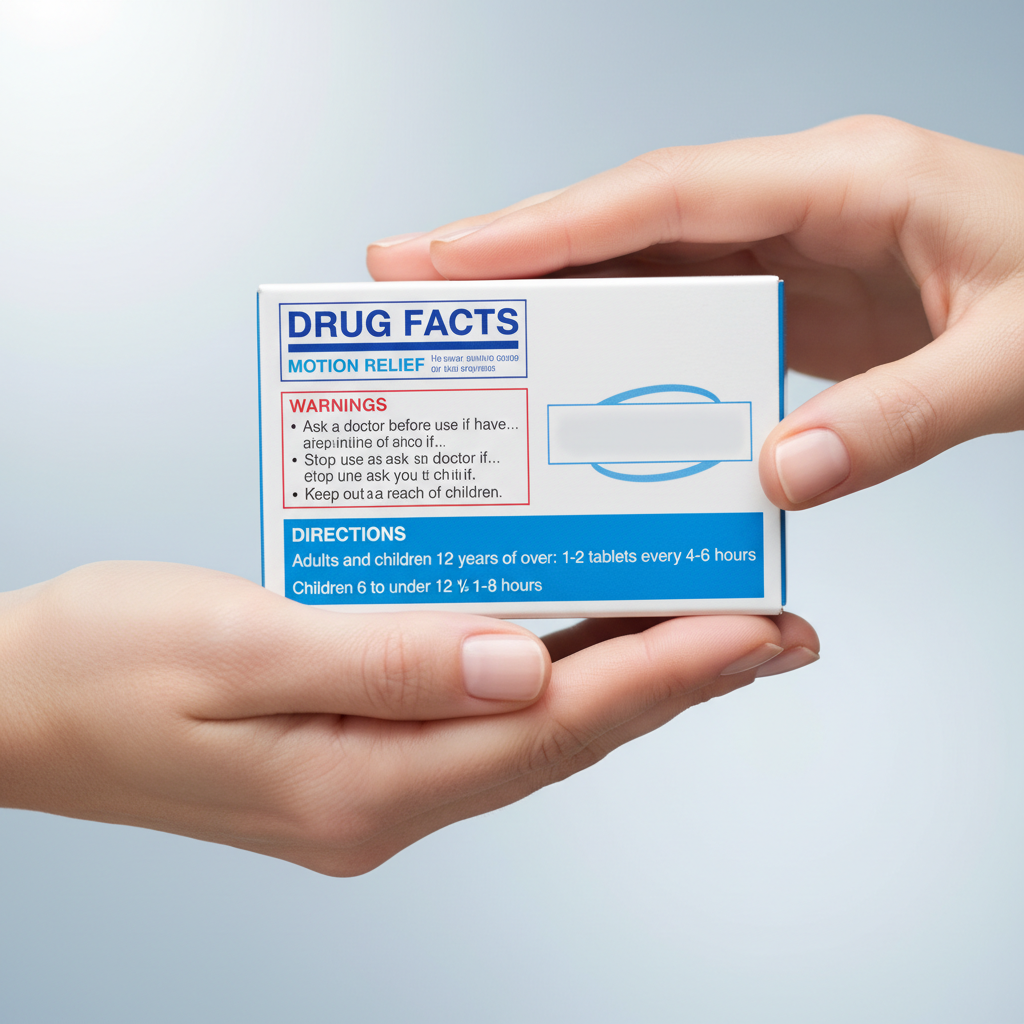
Missteps that show up a lot:
- Taking it too late, then assuming the product “doesn’t work.”
- Mixing sedating meds with alcohol, cannabis, sleep aids, or other antihistamines.
- Ignoring driving safety, drowsiness and slower reaction time can make driving risky.
- Overdosing because symptoms feel urgent, always stay within the label.
- Using adult products for kids without pediatric guidance, dosing and age limits vary.
Some people with glaucoma, prostate issues, asthma, or certain heart rhythm concerns may need extra caution with anticholinergic or antihistamine products. If any of that applies, it’s smart to ask a pharmacist or clinician before your trip.
When to get professional help (and what to ask)
If motion sickness is frequent, severe, or new for you, it can be worth a medical conversation. Not because motion sickness is “mysterious,” but because ongoing dizziness or nausea sometimes overlaps with migraine, vestibular disorders, medication side effects, or inner-ear issues.
- Talk to a clinician if you have repeated vomiting, fainting, severe vertigo, new headaches, or symptoms even when not traveling.
- Ask a pharmacist if you take antidepressants, sleep meds, anxiety meds, or multiple allergy products, interactions and sedation risk vary.
- Pregnancy and kids: get individualized advice, even for OTC choices.
Useful questions to bring: “I need to stay alert, what options fit that?” and “How early should I take it for a morning flight?” That usually leads to better guidance than asking for a single brand name.
Key takeaways you can use on your next trip
If you want a simple game plan, combine prevention timing with smarter travel habits, and keep safety as the guardrail. The most reliable improvement usually comes from doing a few things consistently, not hunting for a magic pill.
- Pre-dose when appropriate based on the label, don’t wait until nausea spikes.
- Pick a seat and a view that reduces sensory conflict, horizon beats screens.
- Expect drowsiness with many OTC options, plan driving and work around it.
- Read Drug Facts to avoid accidental double-antihistamine stacking.
If you’re traveling soon, choose one approach, test it on a shorter ride if you can, and pack a backup plan like ginger, water, and a cool compress so you’re not improvising mid-trip.
FAQ
What are the most practical travel sickness pills tips for a long car ride?
Take prevention seriously: dose according to the label before you hit winding roads, sit up front if possible, keep your eyes on the road ahead, and skip heavy greasy food right before departure.
Is it better to take motion sickness medicine at the first sign of nausea?
Often it works better before symptoms start, because once nausea builds, you may need time for the medication to catch up. If you’re already sick, add non-drug steps like fresh air and a horizon view.
Which motion sickness pills won’t make me sleepy?
Many OTC antihistamine options can cause drowsiness in a lot of people. If staying alert is critical, ask a pharmacist about lower-sedation choices and consider emphasizing non-medication tactics.
Can I take motion sickness pills with allergy medicine?
Sometimes you can, but many allergy products are also antihistamines, so doubling up is a common mistake. Check active ingredients on both labels and ask a pharmacist if you’re unsure.
Do motion sickness patches work better than pills?
Patches can be helpful for longer exposures like multi-day boat trips, but they’re prescription and can have their own side effects. For many people, OTC options plus good timing are enough.
What should I eat before traveling if I get motion sick easily?
A small, plain meal tends to go better than a heavy one. Think crackers, toast, a banana, or a simple sandwich, and keep hydration steady without chugging a lot at once.
When is motion sickness a sign of something else?
If symptoms are new, severe, happening without travel, or paired with neurological symptoms, it’s worth medical evaluation. Motion sickness is common, but persistent vertigo or fainting deserves a closer look.
If you’re trying to choose between products, juggle family needs, or want a cleaner plan than trial-and-error, a quick chat with a pharmacist can be a surprisingly efficient way to narrow options and avoid interactions without overmedicating.