
souvenir shopping tips cheap usually come down to one thing: buying with a plan instead of buying from pressure, because the “cute little trinket” feeling fades fast when your suitcase is heavier and your wallet is lighter.
If you want souvenirs that feel personal and still stay budget-friendly, it helps to think like a curator, not a collector. The goal is a few items with a story, not a pile of forgettable stuff that looked good under fluorescent gift-shop lights.
This guide breaks down where cheap-but-meaningful souvenirs actually come from, how to price-check quickly, and what to skip. You’ll also get a simple checklist and a budget table you can use on your next trip.
What “Cheap” Really Means When You’re Buying Souvenirs
Cheap isn’t only about the lowest price tag, it’s about good value per memory. A $6 postcard set you actually frame can beat a $25 magnet you forget in a drawer.
Before you shop, decide which “cheap” category you want, because each leads you to different stores and different expectations.
- Cheap to buy: small, low-cost items you can grab in multiples (postcards, local snacks, stickers).
- Cheap to carry: flat, light, non-breakable items (tea, patches, prints, textiles).
- Cheap to regret: items that won’t feel wasteful if you later dislike them (consumables, practical goods).
Also, watch the “airport markup effect.” Even when the item looks identical, convenience pricing often kicks in once you’re past security, and you lose negotiating power because time gets tight.
Where Budget-Friendly, Meaningful Souvenirs Usually Come From
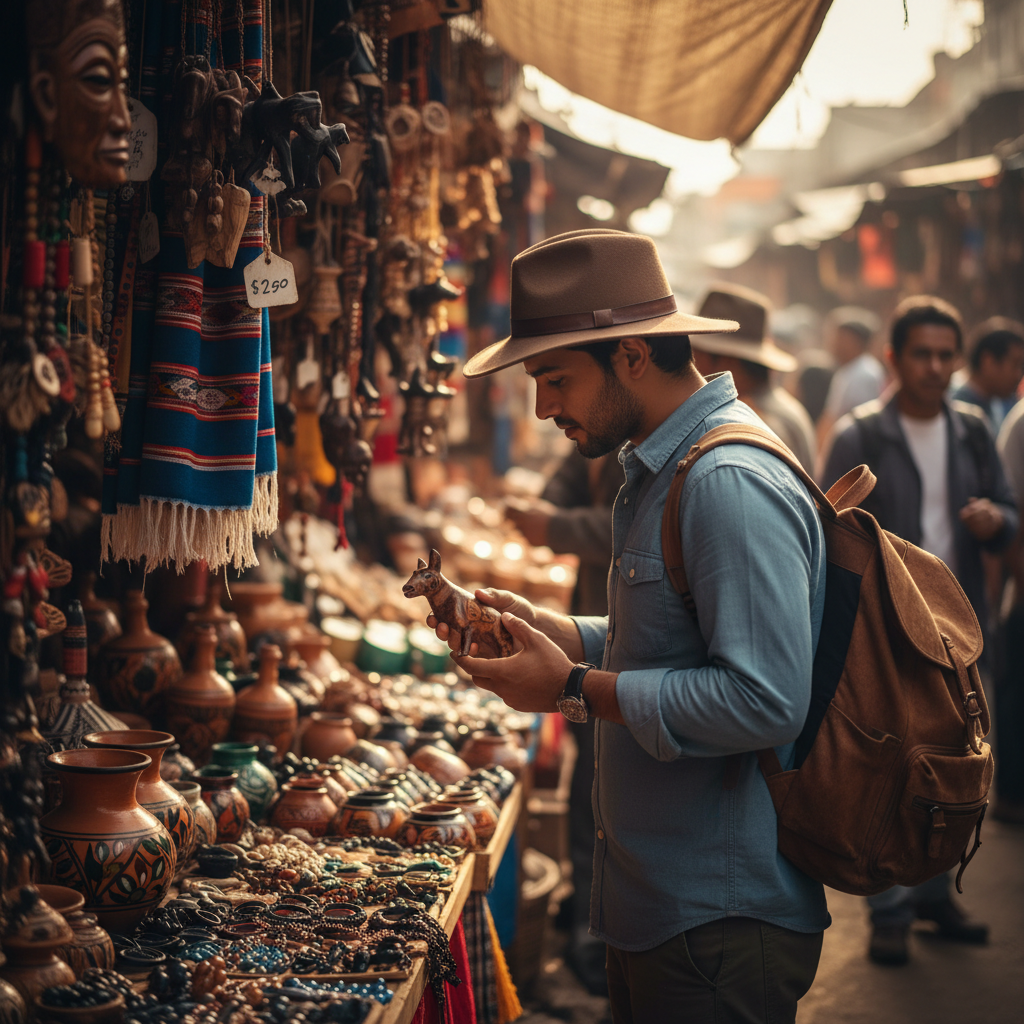
Many travelers assume the best souvenirs live in the most “touristy” streets. In practice, cheaper and more memorable finds often come from places where locals buy everyday things.
Local markets and craft fairs
These are great for small handmade items, especially if you’re okay with minor imperfections. That little imperfection is sometimes the point, it signals human-made rather than factory-perfect.
Grocery stores and pharmacies
It sounds unromantic, but it works. Snacks, spice blends, skincare minis, and regional sodas can be inexpensive and fun to share back home. For souvenir shopping tips cheap seekers, this is one of the highest “smile per dollar” options.
Museum shops (selectively)
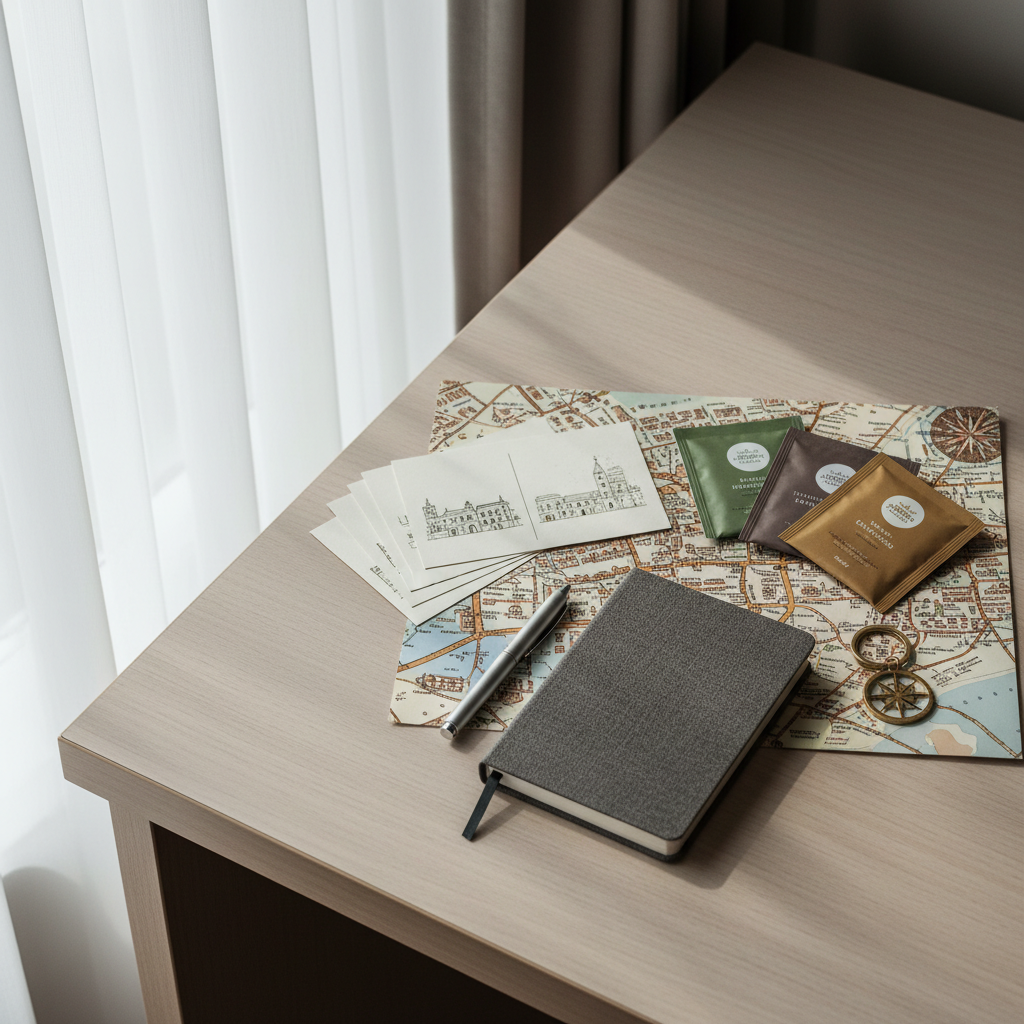
Not always cheap, but many have affordable prints, bookmarks, and stationery tied to the place you actually visited. If you’re trying to buy “meaning,” museums do some of that work for you.
Independent bookstores and stationery stores
Posters, local authors, postcards, and notebooks often feel more “of the place” than generic keychains. Bonus: they pack flat.
A Quick Self-Check: What Kind of Souvenir Buyer Are You?
People get disappointed with souvenirs for predictable reasons. It’s usually not the object, it’s the mismatch between what you wanted and what you bought under time pressure.
- The “I forgot everyone” buyer: you shop last-minute, overpay, and buy random items for coworkers.
- The “I want proof I was here” buyer: you want place-name items, but they can feel generic fast.
- The “I love local culture” buyer: you want authenticity, but you worry about getting scammed.
- The “I hate clutter” buyer: you want one perfect thing, then end up with nothing.
If you recognize yourself, you can plan accordingly: last-minute shoppers should focus on consumables, clutter-haters should buy one “anchor” item early, and culture-lovers should learn a few quick authenticity cues.
Practical Souvenir Shopping Tips to Stay Cheap and Still Feel Personal
These are the moves that tend to work across destinations. They’re not glamorous, but they save money and reduce the “why did I buy this?” moment later.
Set a “souvenir budget rule” before you see anything
- One-item rule: one meaningful item for yourself, and small consumables for others.
- Category caps: for example, $15 max for magnets, $30 max for one artisan piece.
- End-of-trip buffer: keep 20% of your souvenir budget unspent until the final day.
Buy earlier than you think, then stop browsing
Browsing is fun, but it creates “maybe I’ll find better” anxiety. If you find something that clearly fits your rule, buy it, take a photo of the receipt, and move on.
Use “two-question filtering” at the shelf
- Would I buy this if it didn’t say the city name? If not, it’s probably just a logo item.
- Will I use it within 30 days at home? If yes, it’s less likely to become clutter.
Learn the polite price-check habit
In markets where bargaining is normal, negotiation can be expected, but in fixed-price stores it can feel awkward. If you’re unsure, ask, “Is the price fixed?” and follow the vibe. According to USA.gov travel guidance on consumer awareness, keeping receipts and understanding refund policies can help avoid headaches later, even for small purchases.
Budget Table: Smart Souvenir Ideas by Price Range
If you want souvenir shopping tips cheap enough for groups, start with “flat + shareable + local.” This table keeps choices realistic without pretending every destination has the same products.
| Budget (per item) | Good picks | Why it works | Watch-outs |
|---|---|---|---|
| $1–$5 | Postcards, stickers, small snacks, transit cards | Easy to pack, easy to gift | Food restrictions; fragile sweets |
| $6–$15 | Local tea/coffee, spice blends, small prints, stationery | Feels specific to the place, often usable | Check sealed packaging; avoid liquids if flying carry-on |
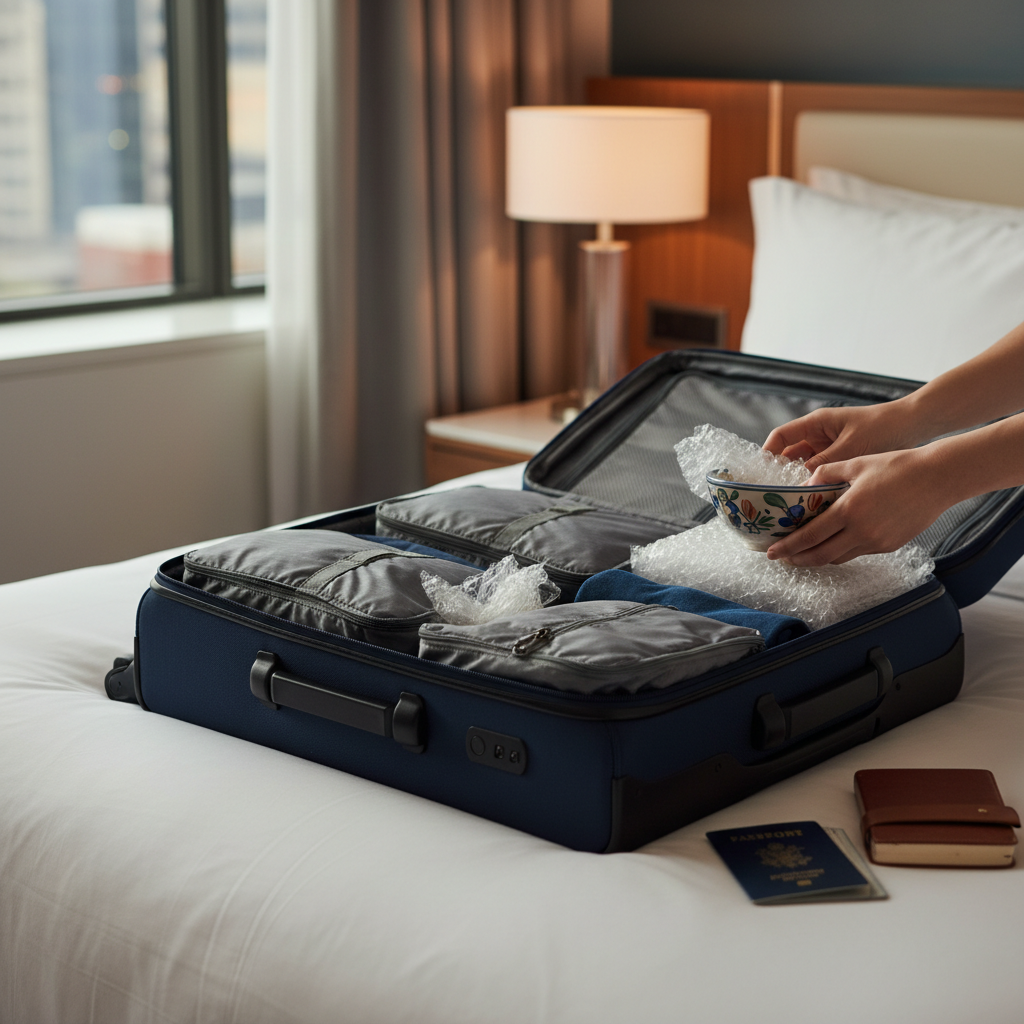
| $16–$35 | Handmade keychain, small ceramic, simple jewelry | More “keepsake” energy | Ask about materials; fragile items need wrapping |
| $36–$75 | Textile (scarf), artisan goods, cookbook from local bookstore | One memorable anchor purchase | Quality varies; compare a few shops first |
Common Mistakes That Make “Cheap Souvenirs” Feel Pointless
A lot of regret comes from patterns, not bad luck. If you avoid these, your haul gets smaller and better, which is kind of the dream.
- Buying only at the airport: you’re paying for convenience and limited choice.
- Ignoring where it’s made: “made elsewhere” isn’t automatically bad, but it can make the item feel less connected.
- Over-gifting: people often appreciate one thoughtful thing more than five small fillers.
- Not checking return rules: some tourist shops treat all sales as final, even if the item breaks quickly.
- Assuming “handmade” always means ethical: it can, but signage isn’t proof, and quality can vary.
If you’re trying to keep spending low, don’t “upgrade” just because a shop uses words like artisan, heritage, authentic. Look for clear materials, clear pricing, and a product that stands on its own.
When to Get Extra Cautious (Customs, Safety, and Big Purchases)
Most souvenir shopping is simple, but a few categories deserve a pause, especially if you’re flying back to the U.S. with food, plants, or animal products.
- Food and agricultural items: rules can change, and some items may be restricted. According to U.S. Customs and Border Protection (CBP), travelers should declare food and agricultural products when entering the U.S.
- Alcohol and liquids: airline restrictions and baggage rules vary, and breakage risk is real.
- Skincare, herbs, supplements: if you have allergies or medical conditions, it may be safer to check ingredients and consider asking a healthcare professional.
- High-value jewelry or art: ask for documentation, understand return policies, and consider insurance for expensive items.
For most people, the “cheap and meaningful” lane stays far away from regulated items anyway, which is another reason snacks, paper goods, and textiles are such reliable choices.
Key Takeaways + A Simple Plan for Your Next Trip
If you want better souvenirs without spending more, reduce randomness. Pick one “anchor” item for yourself, buy it when you see the right one, then fill in gifts with shareable consumables or flat items from everyday local stores.
- Decide your rule before shopping: one anchor + small gifts works for most budgets.
- Shop where locals shop at least once, even if you still enjoy tourist streets.
- Choose usable items and you’ll think about the trip more often.
Next step: on your phone, make a tiny list with three categories you’ll buy, a per-person cap, and one “no thanks” category. That alone makes souvenir shopping tips cheap feel way easier in the moment.
FAQ
What are the best cheap souvenirs that don’t feel tacky?
In many places, postcards, local snacks, spice blends, and small prints feel more “of the place” than mass-produced trinkets. The item matters less than the story you can tell with it.
Where should I shop if I only have one hour?
Go to a grocery store plus one specialty shop nearby, like a bookstore or museum shop. You’ll get fast, fixed pricing and choices that pack well.
How do I avoid overpaying in tourist markets?
Take a quick lap first and note price ranges, then buy on the second pass. If bargaining seems normal, ask if the price is fixed, and keep it friendly, not competitive.
Are handmade souvenirs always better?
Not always. Handmade can mean unique, but it can also mean inconsistent quality. Look at materials, finishing, and whether you’d still like it at home.
What’s a good souvenir for coworkers on a budget?
Individually wrapped local candies, small snack packs, or a postcard bundle can work well. They’re easy to share and don’t force you into guessing personal taste.
How many souvenirs should I buy for myself?
Most people feel happiest with one to three items they genuinely use or display. If you’re tempted by more, take a photo instead and save money for experiences.
Can I bring food souvenirs back to the U.S.?
Often yes, but it depends on the item and where you’re coming from. Declaring items is the safer approach, and CBP guidance is the best place to confirm current rules.
If you’re planning a trip and want a more “set it and forget it” approach, it can help to draft a quick souvenir list by recipient and budget, then only shop for items that fit it, the shopping feels lighter, and you still come home with souvenirs that make sense.