
Luggage scale travel cheap habits start with a simple reality, most baggage fees happen because you guess your bag’s weight, then the airport scale proves you wrong.
If you fly even a couple times a year, a small handheld luggage scale can pay for itself fast, not because it’s “magic,” but because it gives you a number you can plan around before you arrive at the counter.
This guide breaks down why overweight fees happen, how to pick a scale that fits your travel style, and the packing moves that keep you under common airline limits without cutting essentials.
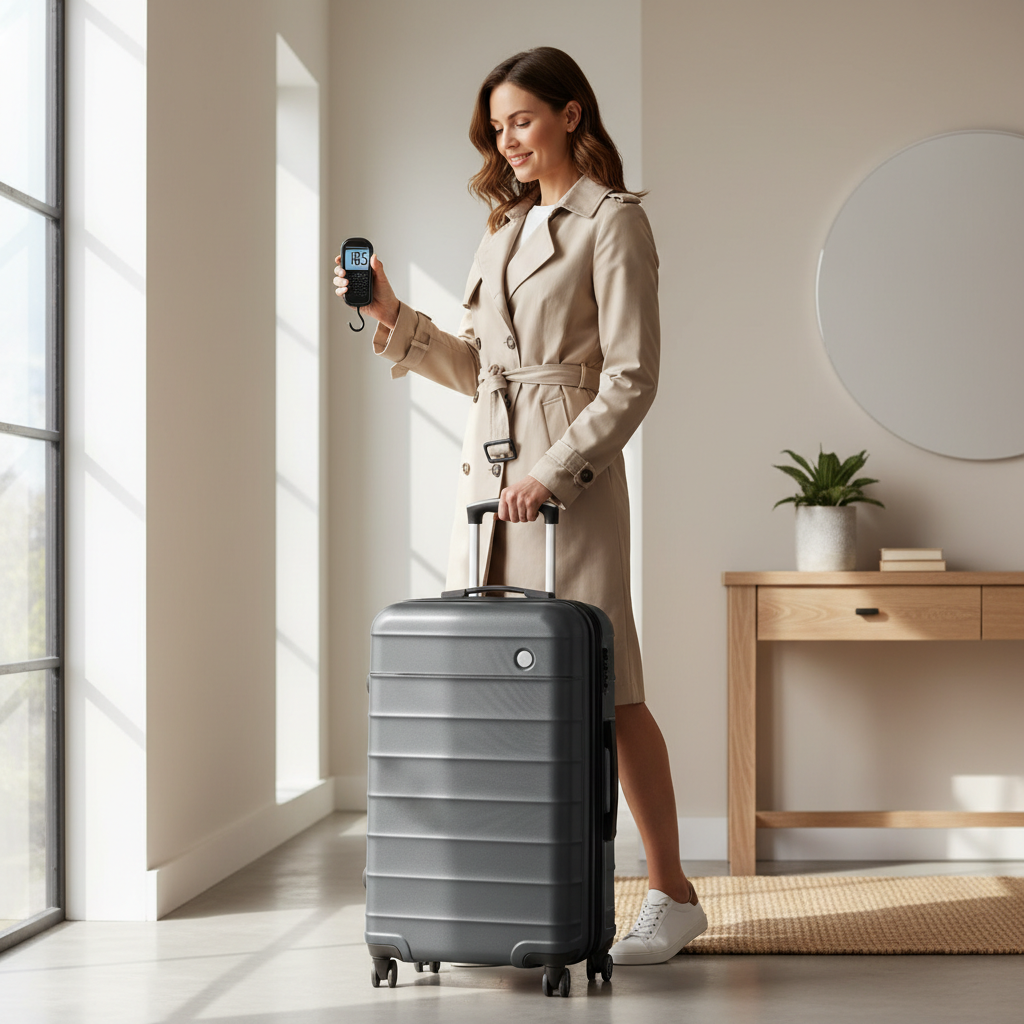
Why overweight fees happen (and why they feel so random)
Most people don’t get hit with fees because they pack “too much,” they get hit because weight creeps in quietly, extra shoes, a second jacket, toiletries, gifts, maybe a heavier suitcase than you remember.
Airports also add pressure, you’re in a line, the agent is waiting, and suddenly you’re doing suitcase surgery on the floor. A quick weigh-in at home prevents that moment.
According to TSA, you should keep valuable items, medications, and critical documents in your carry-on, which can shift more weight into your personal item and cabin bag. That advice is sensible, but it changes how you balance weight across bags.
How to choose a luggage scale that actually helps
A scale only saves money if you trust it and use it. The “best” one depends on how you travel, weekend trips look different than international flights with strict rules.
Key features worth paying attention to
- Capacity and units: look for a max of at least 110 lb (50 kg) and easy switching between lb/kg.
- Readable display: big numbers matter, especially in low light hotel rooms.
- Tare/hold function: “Hold” keeps the number on screen after you set the bag down, it reduces misreads.
- Comfortable strap/hook: a narrow strap can dig into your hand when lifting heavier bags.
- Battery type: coin batteries are common, but you’ll want a spare on longer trips.
If your goal is luggage scale travel cheap planning, you don’t need a fancy smart scale, you need one that feels consistent, so you don’t second-guess the number and ignore it.
Know the limits before you weigh: common baggage rules (quick reference)
Airlines vary, and basic economy rules can be stricter, but the table below reflects typical thresholds many U.S. travelers run into. Always confirm with your specific carrier for your route and fare class.
| Bag type | Common limit | What usually happens if you exceed |
|---|---|---|
| Checked bag | 50 lb | Overweight fee or repack at counter |
| Checked bag (heavier tier) | 51–70 lb | Higher overweight fee, sometimes allowed |
| Checked bag (very heavy) | 71+ lb | May be refused or require special handling |
| Carry-on | Size-focused in U.S. | Gate check, fees depend on airline/fare |
One practical rule that works across airlines, aim for a buffer. If the limit is 50 lb, target 47–48 lb at home to account for scale differences and last-minute adds.
A simple weigh-and-pack routine that avoids fees
This is the repeatable part. You’re not trying to “pack perfectly,” you’re trying to avoid surprises.
Step-by-step routine (10 minutes)
- Weigh the empty suitcase first so you know how much the bag itself costs you in pounds.
- Pack the big items (shoes, jackets, jeans), then weigh once, don’t wait until the end.
- Add toiletries and chargers last, small stuff adds up fast and often pushes you over.
- Stop at your target buffer (for a 50 lb limit, stop around 47–48 lb).
- Take a quick photo of the packed bag before you close it, it helps you repack faster on the return trip.
When people say they “own” a luggage scale travel cheap tool but still pay fees, it’s usually because they weigh only once, after everything is zipped. Weigh earlier, weigh twice, and the number becomes useful.
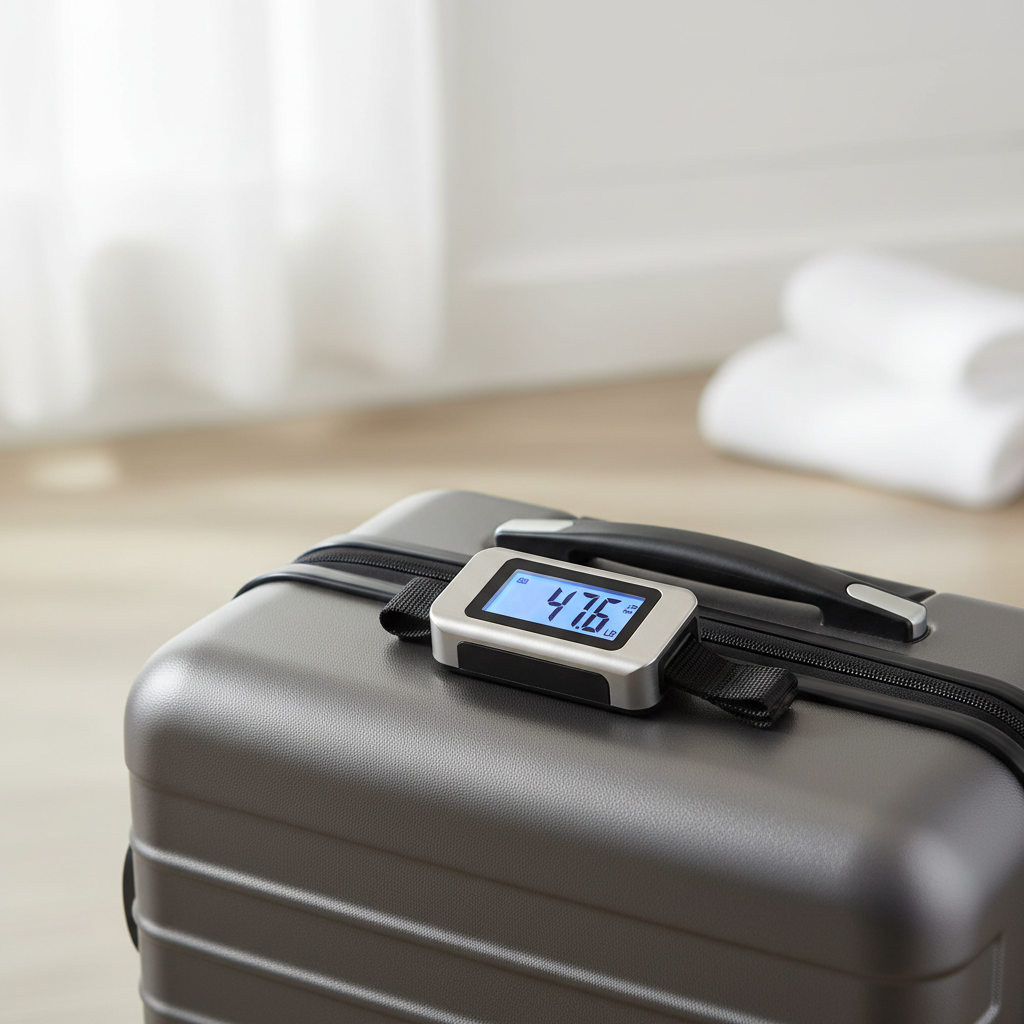
Smart packing moves when you’re 2–6 pounds over
This is the common danger zone. You don’t need to throw things away, you need to redistribute weight in a way that still feels sane during the trip.
Fast fixes that usually work
- Shift dense items to carry-on: chargers, hair tools, books, extra sneakers.
- Wear the heaviest outfit during travel, boots and a coat can be “free” pounds.
- Use a packable tote as a personal item for heavier but allowed items, keep it organized so it doesn’t become a junk bag.
- Split across two checked bags if your fare already includes a second bag, this is sometimes the cleanest solution.
One caution, don’t move prohibited items into your carry-on. According to TSA, some items such as certain tools and sharp objects are restricted in cabin baggage, so double-check before shifting weight.
Common mistakes that make a luggage scale feel “inaccurate”
Most scales aren’t wildly wrong, but user technique causes the weird readings people complain about.
- Lifting at an angle: tilt changes tension on the strap, lift straight up, steady for 2–3 seconds.
- Weighing on carpet while bracing the bag: if the bag touches the floor, you undercount.
- Not accounting for your return trip: souvenirs and laundry often add weight, plan slack on the outbound leg.
- Ignoring the suitcase weight: a heavier hard case can erase “packing light” gains.
If you want luggage scale travel cheap results, calibrate your expectations too, a home scale and an airline scale might differ by a pound or two, which is why the buffer matters more than the exact number.
When it’s worth getting extra help (or changing strategy)
If you regularly travel with sports gear, instruments, medical equipment, or work tools, you’re playing a different game. Fees and limits vary a lot, and some items require special handling or documentation.
In those cases, it’s smart to check your airline’s special baggage policy early, and if the rules look unclear for your situation, contact the airline directly. If you’re traveling with medical needs, it may be worth asking a healthcare professional what must stay with you in-cabin.
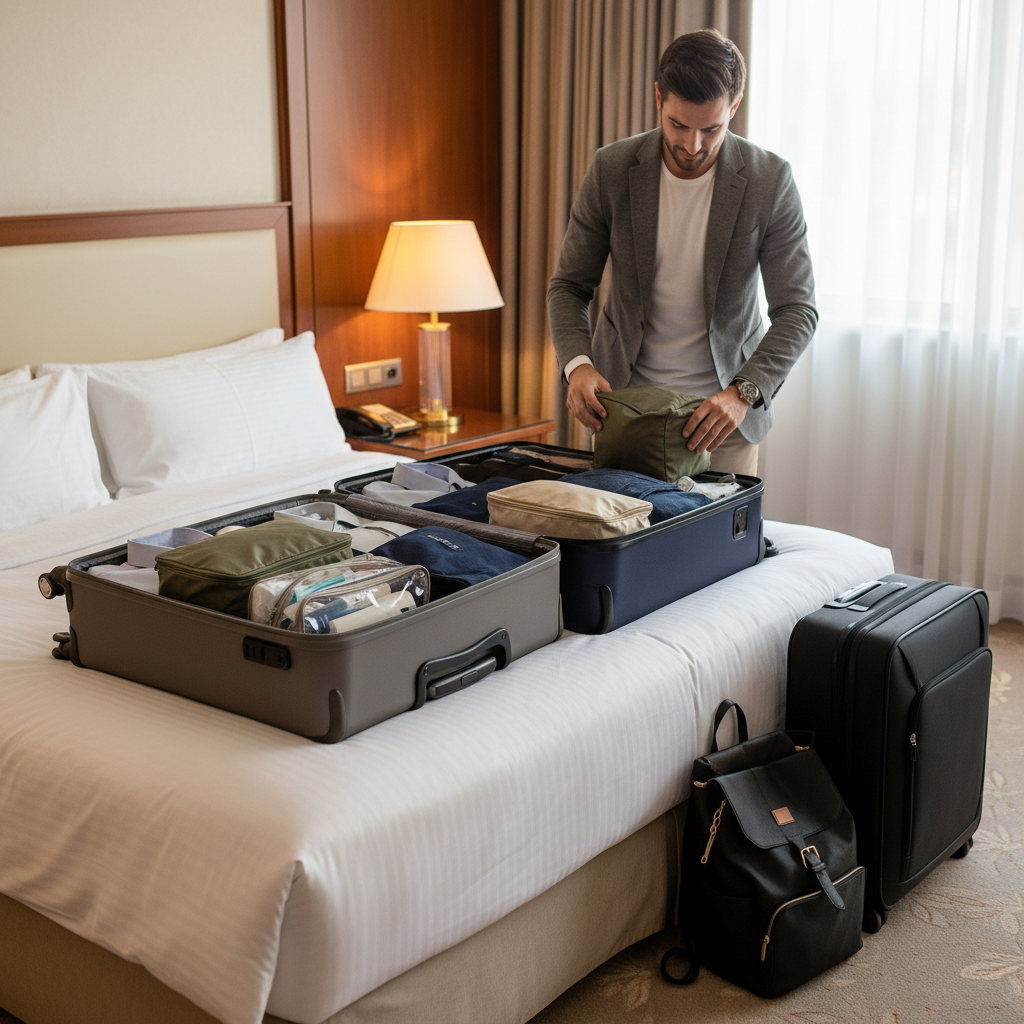
Key takeaways (what to do before your next flight)
- Weigh early, not just after the suitcase is packed and zipped.
- Aim under the limit by 2–3 lb to absorb scale differences and last-minute items.
- Move dense items to carry-on when you’re barely over, but keep TSA restrictions in mind.
- Plan for the return trip, leave room for purchases and wet laundry weight.
Conclusion: a small tool, fewer surprises
A luggage scale won’t make airlines cheaper, but it does make your packing more predictable, and predictability is what avoids those last-minute fees. Pick a reliable scale, build a quick weigh routine, and keep a buffer under the limit.
If you want to start today, weigh your empty suitcase, then weigh it again once you pack your “non-negotiables.” That number tells you how much freedom you really have before you buy anything else for the trip.
FAQ
What’s the best way to use a luggage scale at home?
Attach the strap securely, lift straight up until the bag clears the floor, and hold steady for a couple seconds. If you get two different numbers, take a third reading and use the most consistent one.
How accurate are handheld luggage scales compared to the airport?
They’re often close, but not always identical. Different calibration and how the bag is lifted can shift results, which is why leaving a 2–3 lb buffer usually matters more than chasing a perfect match.
Can a luggage scale help with carry-on bags too?
Yes, especially on airlines that weigh cabin bags more often. Even when weight isn’t enforced, knowing the number helps you avoid an uncomfortable, overstuffed carry-on.
Is “luggage scale travel cheap” realistic if I only fly once a year?
It can be, if your airline charges for overweight bags and you tend to pack close to the limit. If you rarely check a bag, your bigger savings might come from packing strategy rather than buying gear.
What should I do if my bag is overweight and I’m already at the airport?
Move dense items into your personal item or carry-on if allowed, put on your heaviest clothing, and repack calmly. If you’re still over, paying the fee may be less stressful than missing a flight, that trade-off is real.
Should I bring my luggage scale on the trip?
If you tend to shop or travel with gifts, bringing it can prevent a return-flight surprise. If you travel light and don’t add items, you might leave it at home and rely on your outbound buffer.
What if I have back pain or can’t lift my suitcase to weigh it?
Don’t strain yourself. Ask someone to help, or use a bathroom scale method by weighing yourself with and without the bag, and subtracting, and if you have a medical condition, consider getting advice from a healthcare professional about safe lifting.
A light option if you want this to be even easier
If you’re trying to keep travel costs down and prefer a more hands-off routine, a compact luggage scale plus a short packing checklist can be a low-effort setup, you weigh once during packing, once before leaving, and you stop gambling with the counter scale.