
Food tour travel booking tips matter most when you feel stuck between two bad options, paying too much for a “meh” tour, or going cheap and ending up in a crowded group that barely eats. The good news is you can usually spot value before you click “Book,” and it doesn’t require insider connections.
Food tours in the U.S. market range from polished, chef-led experiences to basic “walk and snack” routes. Pricing swings with seasonality, group size, and what’s included, but the listing pages rarely make the trade-offs obvious.
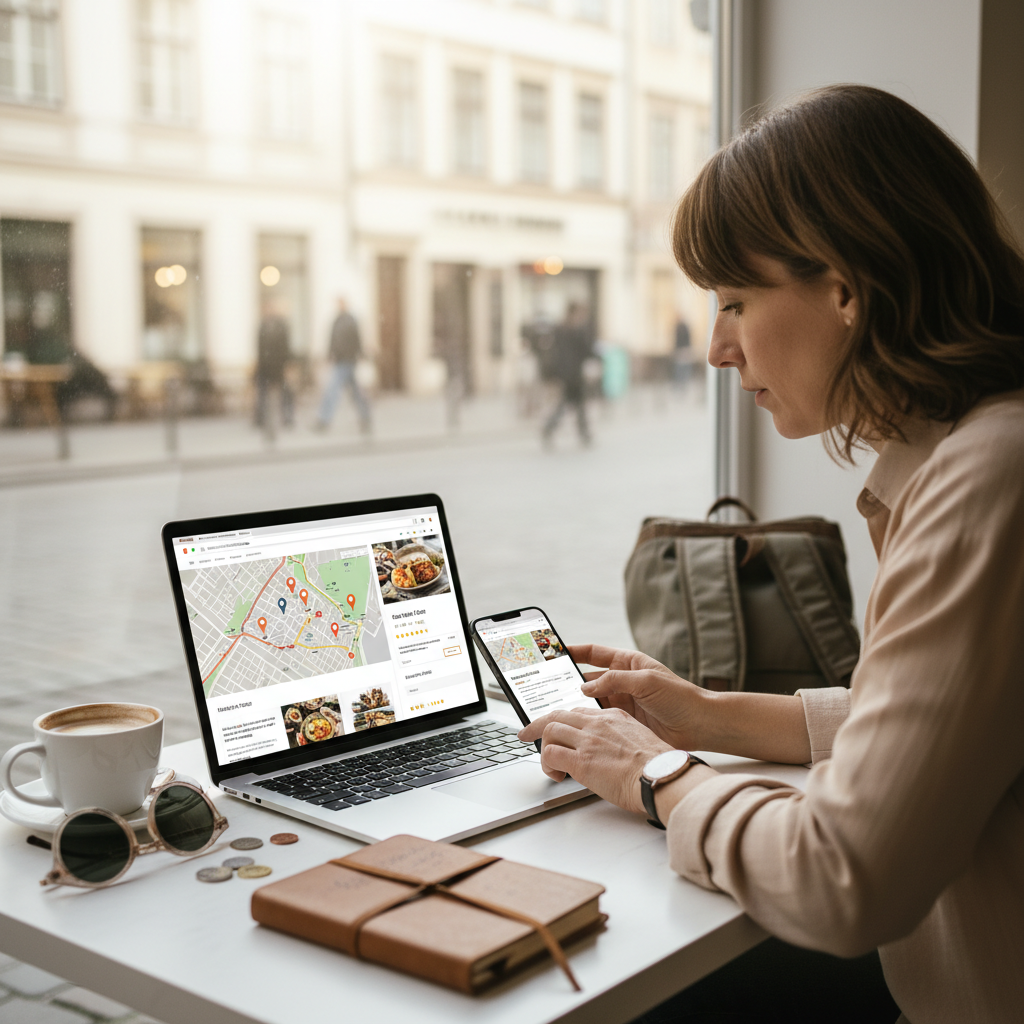
This guide focuses on the decisions that actually move the needle, when to book, what to ask, where savings are real versus risky, and how to avoid the common traps that waste both money and appetite.
What drives food tour prices (and where “savings” can backfire)
Before you hunt discounts, it helps to know what you’re paying for, because some “deals” cut the parts you’d care about most once you’re hungry and standing on a sidewalk.
- Group size: Smaller groups often cost more, but you tend to get more food, more conversation, and fewer wait times.
- Inclusions: Alcohol pairings, reserved seating, multiple tastings, or museum entries raise costs, sometimes worth it, sometimes not.
- Neighborhood demand: Popular areas (Napa, NYC, New Orleans) price higher, and weekends spike.
- Guide quality: Licensed or specialist guides usually charge more, and you often feel the difference in pacing and storytelling.
- Operator overhead: Established companies may offer smoother logistics, backups for closures, and support, which can justify a higher sticker price.
According to the U.S. Department of Transportation, travel consumers benefit from clear, upfront disclosures around fees and terms. That mindset applies here too: if a listing is vague about inclusions, meeting point, or cancellation terms, treat “cheap” as a yellow flag, not a win.
A quick self-check: what kind of tour should you book?
People overpay when they pick a tour that doesn’t match the trip. Run through this quick checklist and you’ll narrow options fast.
- You want maximum food for the money if you’re replacing a meal, traveling with teens, or doing a one-day city hit.
- You want access if you care about behind-the-counter stories, chef intros, or reserved tastings.
- You want flexibility if your schedule is tight, you’re managing heat/rain, or you have mixed preferences in the group.
- You need dietary confidence if allergies, gluten-free, halal, or vegetarian isn’t optional.
- You value learning if you’re the person who wants the “why,” not just bites.
If you’re in the last two buckets, the cheapest option is often the one you regret, because “we’ll try” on dietary needs can turn into a stressful afternoon.
Timing strategies that usually save money without lowering quality
These food tour travel booking tips are less about coupon hunting and more about choosing the timing that operators quietly price around.
Book shoulder slots, not peak slots
- Weekdays often run less crowded than Friday night and Saturday afternoon.
- Early tours can be easier to execute (less wait time), which sometimes means better pacing and more tastings.
- Shoulder season in many cities may bring promos, but hours can change, so confirm what’s open.
Use “hold” policies and flexible cancellation
Many platforms and operators offer 24–48 hour cancellation windows, and that gives you leverage. You can reserve the tour you want, then keep watching for schedule shifts or better times.
According to the Federal Trade Commission (FTC), consumers should review key terms before purchase, including refund and cancellation rules. In practice, that means screenshotting policies on booking day, because listings can change.
Watch for “capacity pressure” in small-group tours
Small-group tours can get more expensive as dates fill. If a tour highlights limited seats, waiting for a discount may backfire. In those cases, “save money” can mean choosing a less popular day, not a last-minute price drop.
Where to find real value: a practical comparison table
Use this table to decide which lever to pull, lower price, more inclusions, or fewer headaches. In many cases, the best value is not the lowest price, it’s the lowest cost per good hour.
| Booking lever | When it works | What to watch |
|---|---|---|
| Weekday booking | If your schedule is flexible | Some vendors may have limited hours |
| Bundled experiences | If you already plan to do multiple tours/attractions | Confirm each component has clear redemption steps |
| Private tour split | If you have 4–8 people and want customization | Ask exactly how much food is included per person |
| Shorter tour | If you mainly want orientation + a few key stops | Make sure you’re not paying mostly for walking time |
| Direct booking | If the operator offers perks (free upgrade, extra stop) | Compare cancellation terms vs platforms |
What to look for in listings and reviews (without getting fooled)
A lot of “perfect” listings are simply good at marketing. The goal is to read between the lines and find signals of consistency.
Listing details that usually correlate with quality
- Stop count and pacing: A clear itinerary suggests they run this route often and can manage timing.
- Exact inclusions: “Enough food for lunch” is helpful, “tastings included” is vague.
- Dietary policy: Specific language like “can accommodate with 48 hours notice” beats “we try our best.”
- Weather plan: Even a short note about umbrellas, indoor stops, or rescheduling hints at professionalism.
How to read reviews like a normal person
- Look for reviewers describing portion size, wait times, and group size, not just “so fun.”
- Scan 3-star reviews for patterns, they often mention the real drawbacks without being dramatic.
- If multiple reviews mention the same guide by name, that’s a good sign of a stable team.
These food tour travel booking tips sound basic, but they prevent the classic disappointment: paying premium pricing for a route that’s mostly standing in line.
Step-by-step: booking a food tour with savings in mind
Here’s a simple process you can reuse in any U.S. city, it’s fast, and it keeps you from spiraling across ten tabs.
- Set your goal: meal replacement, neighborhood intro, date night, or “food nerd” learning.
- Pick your must-haves: small group, alcohol, dietary needs, kid-friendly, minimal walking.
- Shortlist 3 tours with clear inclusions and strong “mid-range” reviews (not only five-star hype).
- Compare total cost: taxes, fees, tips guidance, add-ons, and transit to the meeting point.
- Ask one clarifying question before booking: portions, substitutions, or whether stops change.
- Book with flexible terms when possible, then calendar the cancellation deadline.
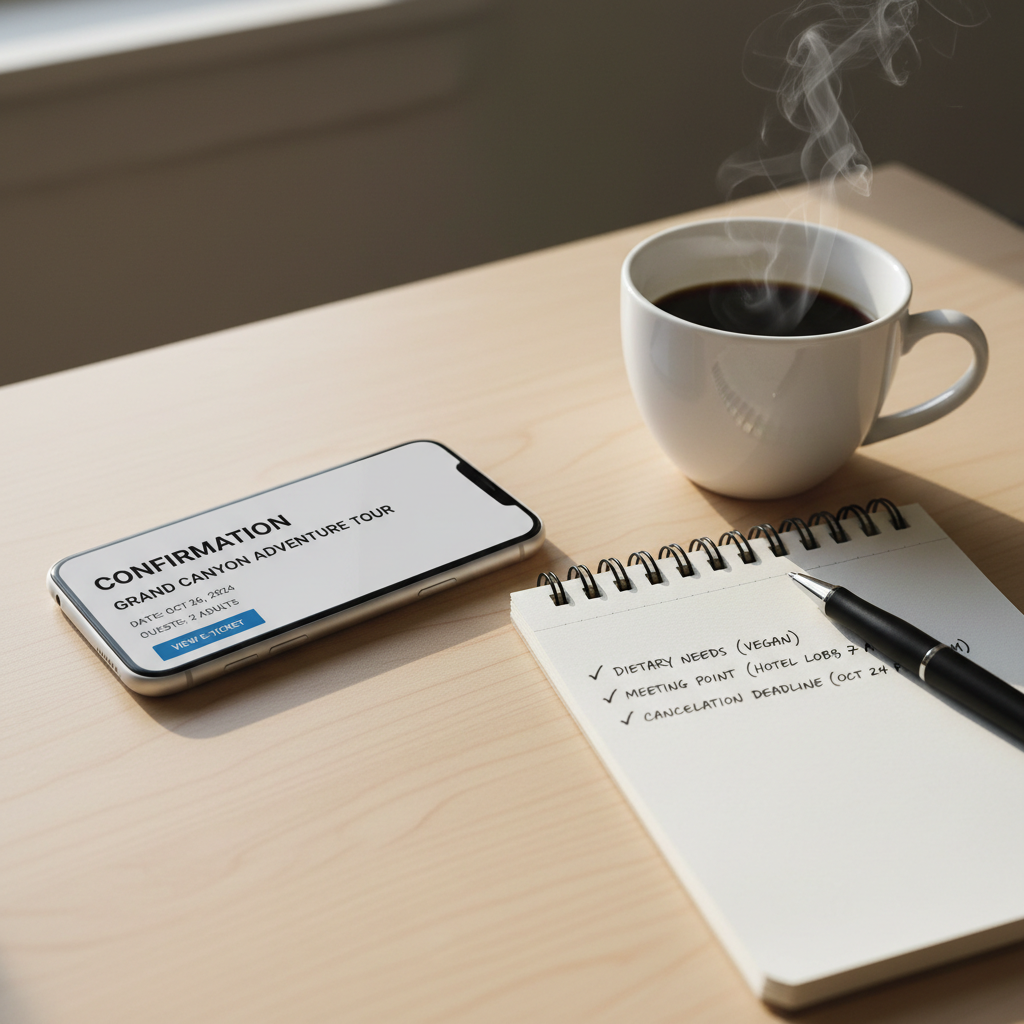
Key point: when you’re trying to save, pick one “variable” to compromise on, like start time, not everything at once. Cheap plus crowded plus vague itinerary is how trips get remembered for the wrong reasons.
Common mistakes that cost more than they save
- Chasing the biggest discount: Deep promos sometimes land on low-demand tours for a reason, confirm what’s included.
- Ignoring tipping expectations: In many U.S. tours, tips are customary; if budgets are tight, factor that in early.
- Booking too many tastings back-to-back: You may waste money when you’re too full to enjoy the last stops.
- Over-trusting “secret spots” language: Some tours use it loosely, the real value is context and logistics.
- Not checking mobility needs: Walking distance and stairs matter; ask if anyone in your group might need accommodations.
If a tour includes alcohol or you have food allergies, be conservative. Ask for ingredient guidance and, when in doubt, you may want to consult a medical professional for allergy risk planning.
When to seek extra help (or upgrade on purpose)
Sometimes saving money is not the smartest goal, especially when the stakes are higher than taste.
- Severe allergies or medically necessary diets: choose operators with explicit protocols and clear written confirmations.
- Corporate groups: paying for reliability, invoicing, and schedule control can be worth it.
- Once-in-a-lifetime trips: if you have one night in town, the “premium” option may deliver a better hit rate.
According to the Centers for Disease Control and Prevention (CDC), travelers should take reasonable food safety precautions. That doesn’t mean avoiding street food entirely, it means picking tours that look organized, communicate well, and aren’t improvising hygiene on the fly.
Conclusion: a simple way to book smarter and spend less
The most reliable savings come from picking the right time slot, confirming inclusions, and using cancellation windows strategically, not from hunting random promo codes. If you keep your goal clear and compare total cost, you’ll usually end up with a tour that feels worth it.
Action idea: choose one city date and run the checklist above tonight, then book the best-fit option with flexible terms so you can stop overthinking and start planning what you’ll eat next.
FAQ
What are the best food tour travel booking tips for saving money fast?
Start with weekdays and earlier time slots, then compare what’s included so you don’t pay extra for add-ons later. Also, prioritize flexible cancellation so you can adjust if plans change.
Is it cheaper to book a food tour directly or through a platform?
It depends on the operator and the platform. Direct booking sometimes includes small perks, while platforms may offer easier changes; compare total price and cancellation terms, not just the headline rate.
How far in advance should I book a food tour in popular U.S. cities?
For small-group experiences on weekends, booking earlier is safer. For larger group tours on weekdays, you often have more flexibility, but holidays and festival weekends can tighten availability quickly.
How can I tell if a food tour is worth the price?
Look for clear inclusions, realistic pacing, and reviews that mention portions and logistics. If the itinerary is vague and reviews mostly say “great time” without details, value is harder to verify.
Do food tours usually accommodate allergies or vegetarian diets?
Many do, but the level of accommodation varies. Ask for specifics in writing, especially for severe allergies, because “we’ll try” may not be enough for safety.
Are tips included in food tour prices in the U.S.?
Often tips are not included, but policies differ. Check the listing, and if it’s unclear, message the operator so you can budget realistically.
Can I save money by splitting a private food tour with friends?
Yes, in many cases a private tour becomes cost-effective when you have a larger group. Just confirm portion sizes and whether the route can be customized to match your preferences.