
Local street food travel guide searches usually come from one real problem, you want the best bites, but you don’t want to gamble with your stomach, your schedule, or your money.
Street food can be the fastest way to understand a city, you’re eating what locals eat, where they actually eat it, often at prices that let you sample more than one thing without overthinking.
This guide focuses on practical decisions, how to spot a good stall, what to order first, how to handle water and spice, and how to build a route that feels fun instead of frantic.
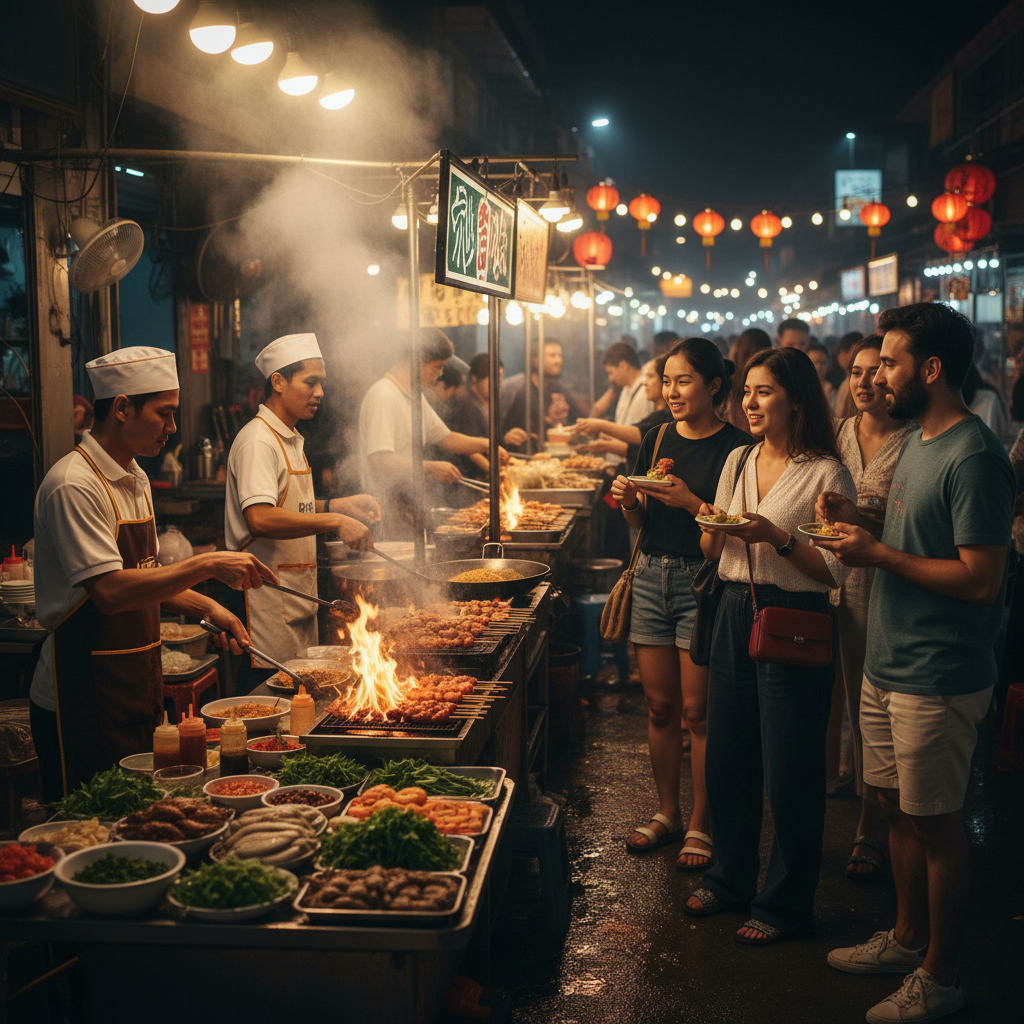
What makes street food “worth it” (and what usually isn’t)
The best street food experiences tend to share a few signals, they’re not fancy, but they’re intentional. You’ll notice clear specialties, fast turnover, and a menu that doesn’t try to be everything.
- Worth prioritizing: one-dish specialists, long lines that move quickly, stalls locals return to, markets near transit or office areas.
- Often overrated: “Instagram-only” rainbow foods, massive menus, empty stalls in peak hours, aggressive tourist pricing with no posted menu.
According to the U.S. Centers for Disease Control and Prevention (CDC), food safety risks often rise when hot foods aren’t kept hot or cold foods aren’t kept cold, so “worth it” also means you can see how the food is handled.
How to choose a stall like a local (without pretending you are one)
A good local street food travel guide should tell you this plainly, you do not need secret knowledge, you need basic pattern recognition.
Quick signals that usually matter
- Turnover: food selling fast means ingredients refresh often.
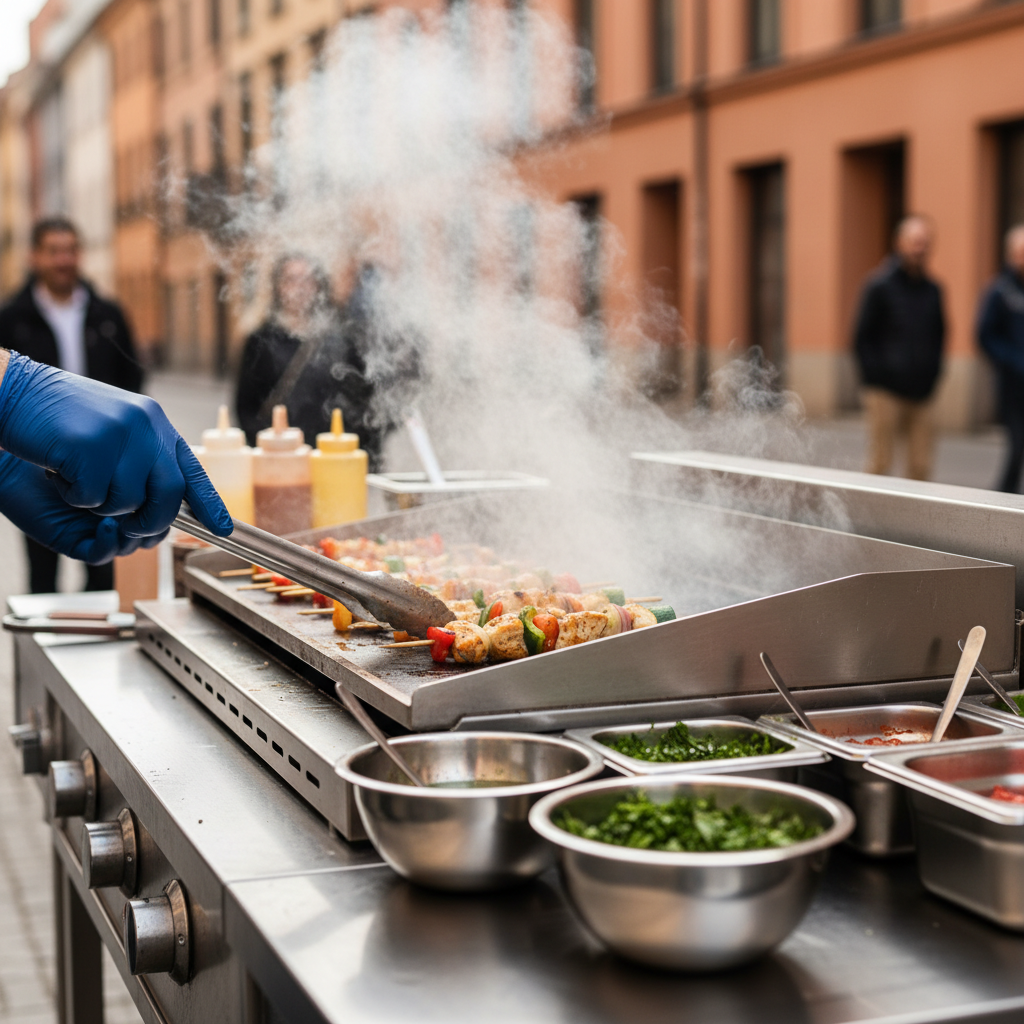
- Heat: you can see high heat or reheating to order, not lukewarm trays sitting out.
- Clean workflow: one hand handles money, another handles food, or they use gloves/tongs, it’s not perfect science, but it helps.
- Clear pricing: posted prices reduce awkward tourist markups.
Small red flags you can actually use
- Raw proteins sitting in the sun with no ice or cooling in sight.
- Strong sour smell around “fresh” seafood, especially in hot weather.
- Utensils rinsed in one cloudy bucket all day, common in some places, still a risk.
Build a street food route that doesn’t wreck your day
Most people over-plan by dish, then under-plan by geography, and that’s how you end up stressed, sweating, and eating your “must-try” dumplings cold in a taxi.
Try a simple route rule, pick one market plus one street plus one backup. That gives you enough density to explore, and enough flexibility to bail if it’s too crowded or weather turns.
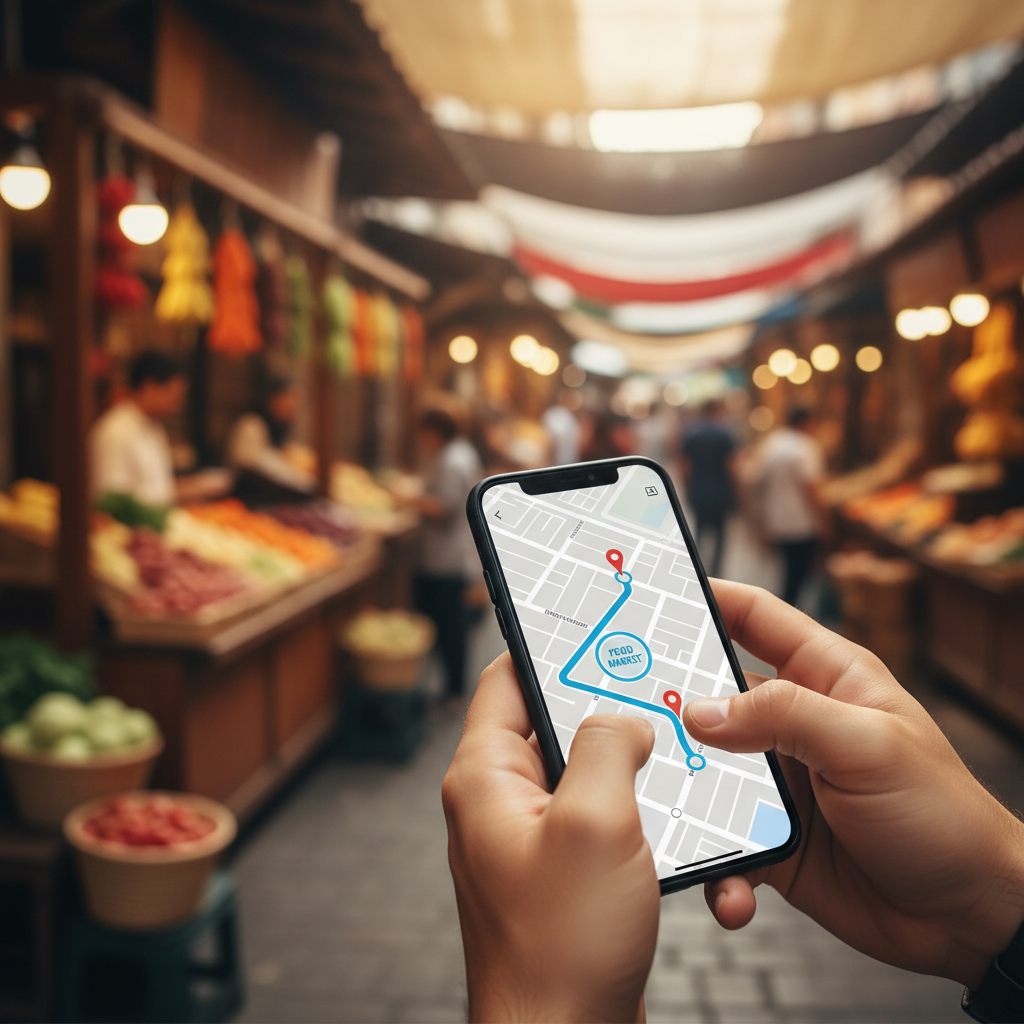
A practical pacing template (that still feels spontaneous)
- Round 1: one savory “anchor” dish you can’t miss.
- Round 2: one small snack, split if possible.
- Round 3: something grilled or fried, order it fresh.
- Round 4: dessert or fruit, then stop.
Spacing matters more than people admit. Give yourself 10–15 minutes between stops, you’ll notice more, and your stomach gets a vote.
Ordering, paying, and etiquette: the little moves that keep it smooth
Street food is fast food with social rules, and those rules vary by place. When you’re unsure, copy the person who looks like they’ve done it before, and keep your order simple.
- Stand where the line starts, not where you see the food.
- Have cash ready in small bills, even if cards are common elsewhere.
- Point + quantity works almost everywhere, then confirm price.
- Ask about spice with one clear word, “mild” or “no spice,” if you’re not sure.
If you’re using translation apps, keep a short note ready: “No peanuts” or “No shellfish,” allergies are not the moment to improvise.
Food safety, water, and allergies: realistic risk management
A local street food travel guide that ignores safety is incomplete, but fear-mongering also ruins the point. In many places, street food is safe most days for most people, yet travel, heat, and new ingredients can still trigger issues.
What to do if you want to lower risk without skipping street food
- Choose cooked-to-order items, steaming, grilling, frying, boiling.
- Avoid raw add-ons if you’re unsure, like raw sprouts, unpeeled garnishes, or sauces sitting out.
- Be picky with ice, in some destinations it’s made from treated water, in others it may not be. If you’re unsure, skip it.
- Carry basics, hand sanitizer, tissues, and any meds you typically use for stomach upset. If you have medical conditions, ask a clinician before travel.
According to the World Health Organization (WHO), hand hygiene and safe food handling are core tools to reduce foodborne illness risk, which is boring advice, but it works.
Allergies and dietary needs (a blunt note)
If you have serious allergies, street food can be tricky because cross-contact is common even when the vendor wants to help. Many travelers do fine by sticking to simple grilled items and skipping mixed sauces, but you may want to consult a medical professional for personalized guidance before you go.
What to eat first: a simple decision table for foodies
This is where people get stuck, too many options, too little time. Use the table to pick your “first bite,” then let the rest be discovery.
| What you’re craving | Smart first choice | Why it works | What to watch |
|---|---|---|---|
| Deep savory comfort | Noodle soup or rice bowl | Filling anchor, easy to share | Look for boiling broth, clean bowls |
| Big flavor, fast | Grilled skewers | Cooked to order, adjustable portions | Watch for fresh grilling, not pre-cooked reheats |
| Crunch and spice | Fried snacks | Hot oil lowers risk, instant satisfaction | Very heavy on the stomach, pace yourself |
| Sweet finish | Fresh fruit or simple dessert | Reset your palate, lighter ending | Prefer peeled fruit if you’re cautious |
Key takeaways and a “do this next” checklist
If you only remember a handful of things from this local street food travel guide, make them these, they keep the experience fun and reduce avoidable mistakes.
- Follow turnover, busy stalls usually mean fresher food.
- Start with one anchor dish, then snack your way outward.
- Watch the workflow, clean hands, hot cooking, clear pricing.
- Be honest about your body, spice tolerance and sensitive stomachs are real constraints.
- Carry small cash and a short allergy note if needed.
Next time you land in a new city, pick one market, arrive a little hungry, and give yourself permission to walk away from anything that feels off. That one habit saves more trips than any “top 10” list ever will.
Conclusion
Street food rewards curiosity, but it also rewards restraint, the best meals usually come from a handful of smart choices, not from trying everything in one night.
If you want a simple action plan, choose one high-turnover area, eat one cooked-to-order specialty, then build from there, you’ll get the flavor story of the city without turning your trip into a stomach experiment.
FAQ
How do I find the best street food without relying on viral videos?
Use videos as ideas, then validate on the ground, look for turnover, posted pricing, and locals ordering confidently. If it’s empty during a normal meal window, that tells you something.
Is street food safe for Americans with sensitive stomachs?
It can be, but sensitivity varies a lot. Many travelers do better with cooked-to-order foods, avoiding raw add-ons and uncertain ice, and pacing portions across the night.
What’s the smartest way to try more dishes without overeating?
Split items, order half portions when that’s normal, and rotate one “anchor” dish with smaller bites. A short walk between stops helps more than people expect.
How can I tell if a stall is tourist-priced?
If there’s no menu or prices change mid-order, you’re in the danger zone. A quick confirm, “How much?” before you order keeps it simple, and walking away is fine.
What should I do if I have a peanut or shellfish allergy?
Prepare a translated allergy card, keep it short, and assume cross-contact is possible in busy stalls. For severe allergies, consider talking with a medical professional before travel and lean toward simpler foods with fewer sauces.
Should I bring antidiarrheal medication when traveling for street food?
Many travelers pack basic meds, but what’s appropriate depends on your health history and destination. If you’re unsure, especially with chronic conditions or medications, ask a clinician before your trip.
How do I handle spice when I don’t know the local scale?
Start mild, then escalate. When in doubt, ask for “a little” spice, keep a neutral drink or starch nearby, and remember that some cuisines use spice differently than you’re used to.
If you’re planning a trip around street eats and you’d rather not spend hours guessing where to go, a curated route and a short “what to order” list for your neighborhood can make the whole thing feel calmer, while still leaving room for surprises.