
Snorkeling gear for travel sounds simple until you’re standing in a beach shop, staring at a wall of masks and fins, wondering what’s actually necessary and what’s just going to hog suitcase space.
The good news is you don’t need a full dive locker to have a great snorkel day, you need a few pieces that fit well, stay comfortable in saltwater, and pack down without drama. The bad news is fit and quality matter more than most people expect, especially with masks and fins.
This guide breaks down what to pack, how to choose travel-friendly options, what to skip, and how to test gear before you fly, so you spend more time in the water and less time fogging up, leaking, or fighting blisters.
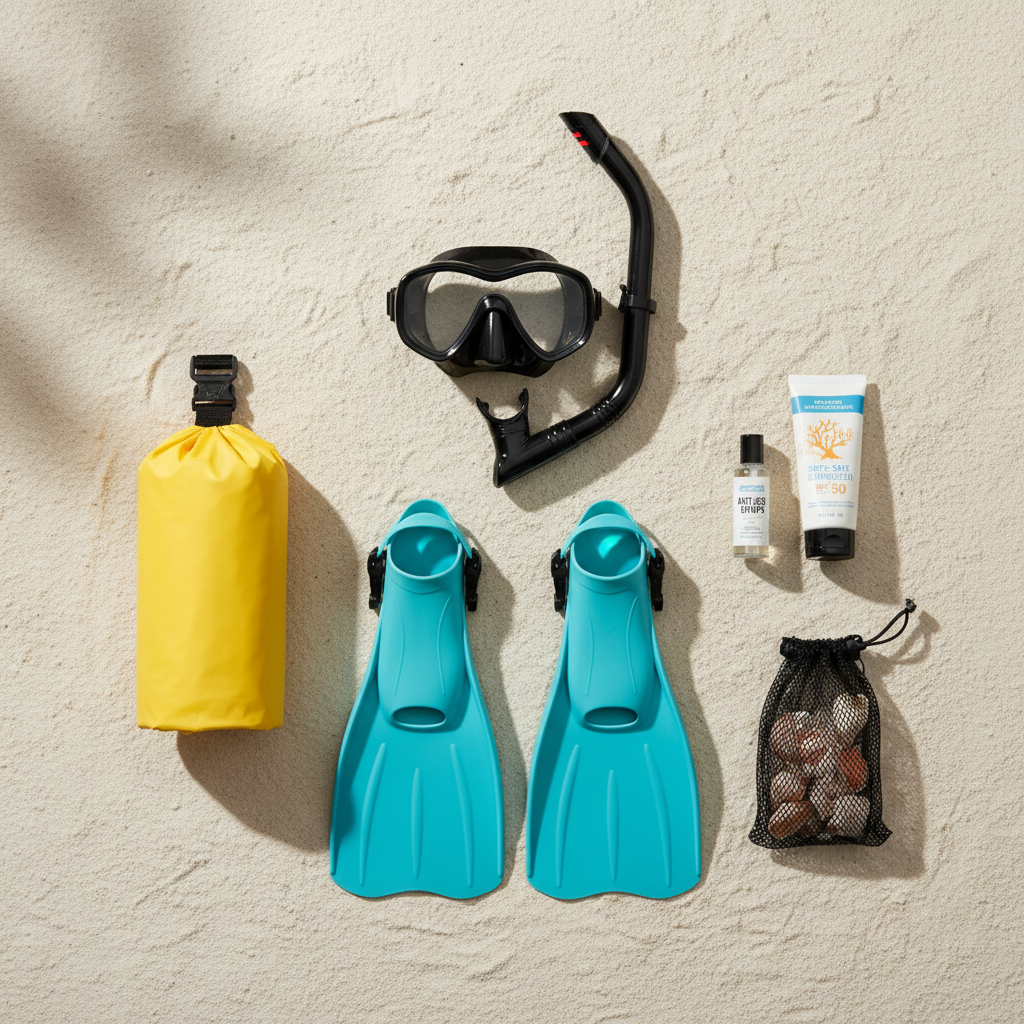
What “Travel Snorkeling Gear” Really Means (and Why It Matters)
For beach trips, “travel” usually means three things: packable, easy to rinse and dry, and reliable fit across long days. A mask that fits at home but leaks after an hour in warm water is still a problem, and fins that feel okay for five minutes can turn into heel rub on a reef entry.
Many travelers also juggle mixed plans, maybe a boat tour one day, shore snorkeling another, plus a pool day with kids. Choosing versatile pieces reduces what you carry and lowers the chance you end up buying replacements at tourist pricing.
According to NOAA, coral reefs are sensitive to physical contact and disturbance, so good fit and control in the water isn’t just comfort, it can help you avoid bumping coral in shallow areas.
The Core Kit: Mask, Snorkel, Fins (How to Choose Without Overthinking)
1) Mask: prioritize fit, then lens and skirt
If you only upgrade one item, make it the mask. A travel mask should be low-volume (less air space, easier clearing) and seal consistently.
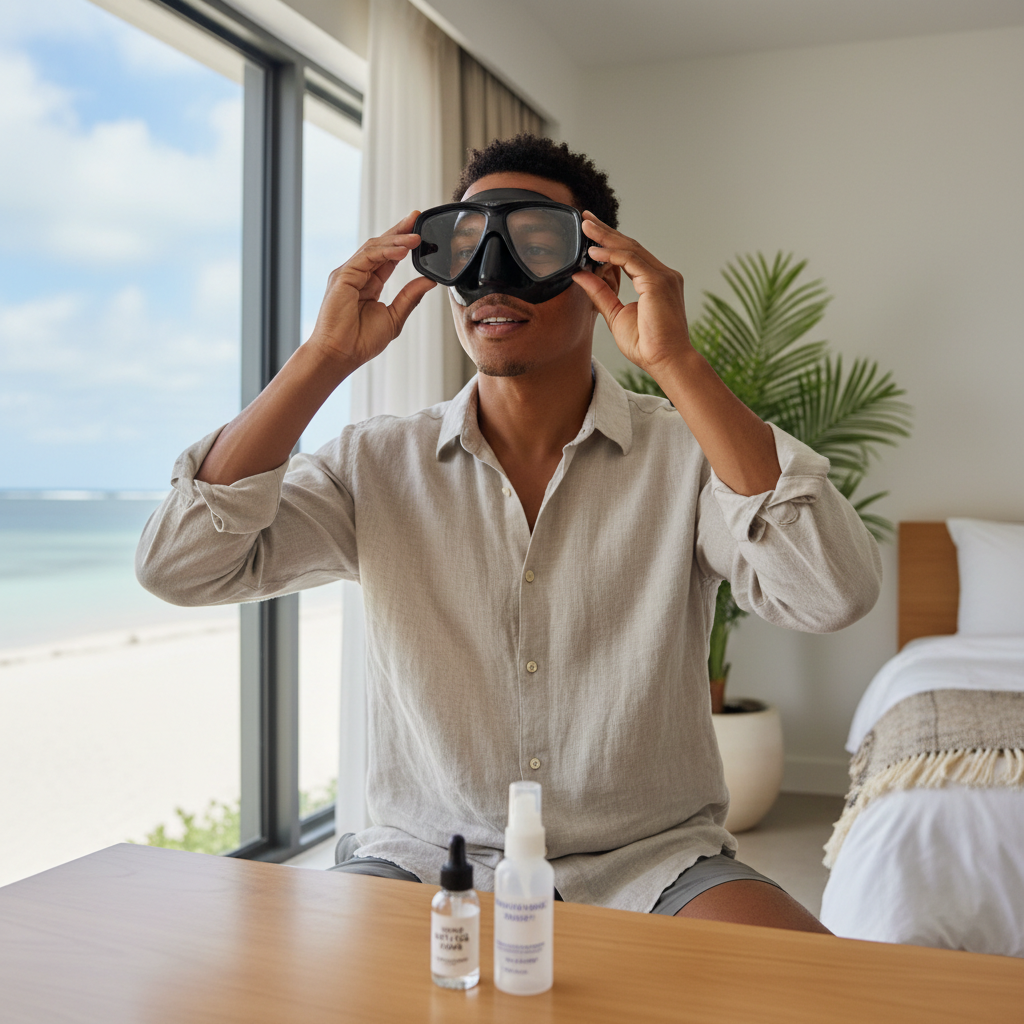
- Fit test: place the mask on your face without the strap, inhale gently through your nose, it should “stick” for a moment without leaks.
- Skirt material: soft silicone typically seals better than stiff plastic-like skirts.
- Lens: tempered glass is common for quality masks; avoid anything that feels flimsy.
- Hair and facial hair: a mustache can break the seal, many people use a small amount of mask sealant or adjust positioning, but results vary.
2) Snorkel: simple is often better for travel
A basic snorkel with a comfortable mouthpiece is enough for most beach snorkeling. “Dry snorkels” can reduce splash entry, but they can add bulk and more parts to maintain.
- Purge valve: helpful for easier clearing, but not required if you’re comfortable clearing normally.
- Flexible lower section: can reduce jaw fatigue.
- Keep it packable: rigid snorkels can be awkward in carry-ons, some foldable designs pack well but check durability.
3) Fins: match fin style to how you’ll enter the water
Fins are where “beach travel” changes the decision. Shore entries over rocks or hot sand favor different setups than boat drops.
- Full-foot fins: lighter and often more efficient, great for boat snorkeling and sandy entries.
- Open-heel fins + booties: more adjustable and better for rocky entries, but heavier and bulkier.
- Travel length: shorter fins pack easier; long blades can be great in open water but may be annoying to travel with.
Travel-Friendly Add-Ons That Actually Earn Their Space
The “extras” can make or break your day, but only a few are worth carrying. For snorkeling gear for travel, these tend to deliver the most value per ounce.
- Anti-fog drops or spray: more consistent than random hacks, especially in humid climates.
- Mesh gear bag: drains fast, keeps wet gear from soaking everything.
- Dry bag (small): for phone, keys, wallet on boats or shore walks.
- Defog cloth / microfiber towel: quick lens wipe, doubles as sunglasses wipe.
- Spare mask strap or snorkel keeper: tiny, and it can save a day if something snaps mid-trip.
- Reef-safe sunscreen and rash guard: rash guards reduce sunscreen reliance and help prevent sunburn; skin sensitivity varies, so choose what you tolerate well.
According to the U.S. Food & Drug Administration (FDA), sunscreen labels and usage directions matter for protection outcomes, and many people under-apply. A long-sleeve rash guard is the low-effort backup when you’re in and out of the water for hours.
Quick Self-Check: What Kind of Snorkeler Are You on This Trip?
Before you buy or pack, get honest about the trip. The “right” kit changes based on entry type, water temperature, and how long you’ll be out.
- Mostly boat tours: prioritize a comfortable mask, full-foot fins, compact dry bag, defog.
- Mostly shore entries: consider open-heel fins and booties if rocks or coral rubble are likely.
- Cold or windy water: a thin wetsuit top or neoprene socks can reduce discomfort, but sizing is personal.
- New to snorkeling: keep gear simple, avoid overly complex snorkels, do a pool test if possible.
- Frequent traveler: invest in a higher-quality mask and fins, they’re the items that fail “expensively” on location.
Packing and Sizing Tips (So You Don’t Arrive With Warped Gear)
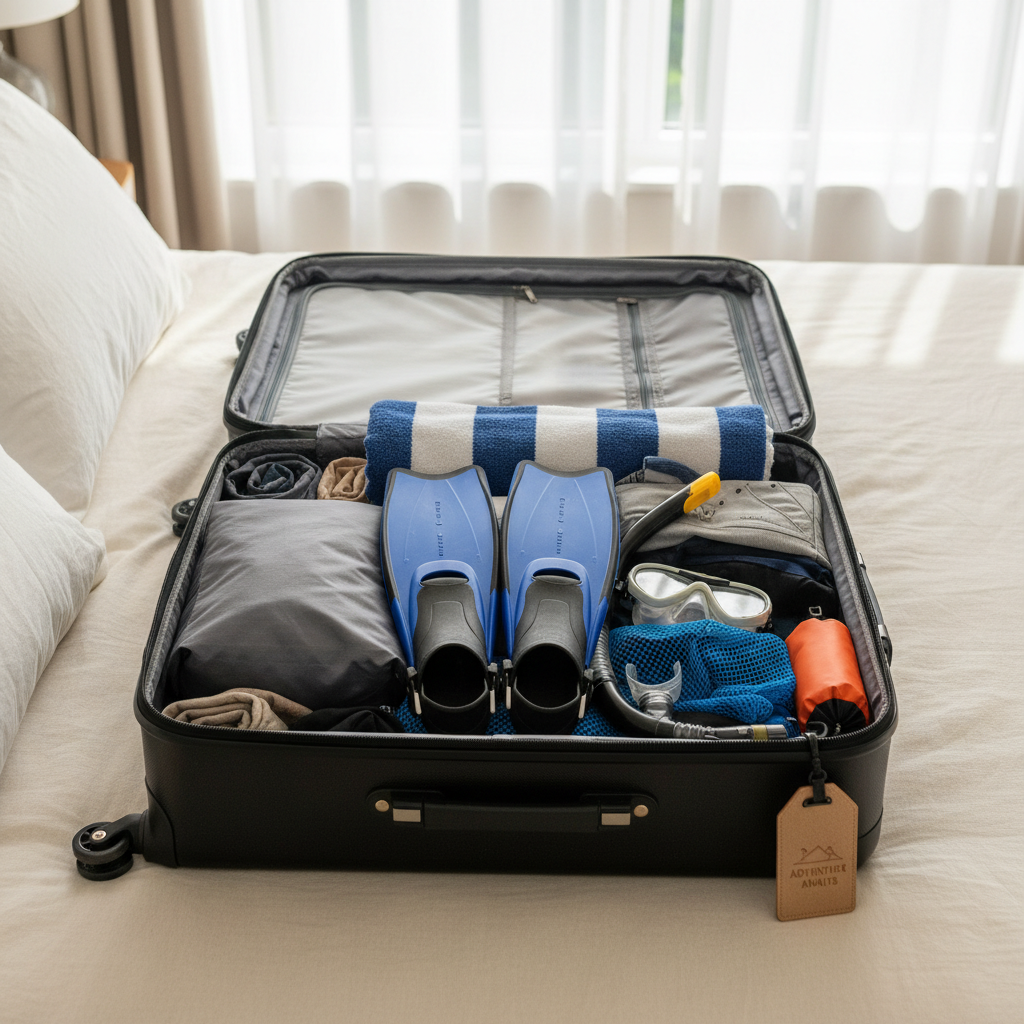
The easiest mistake is crushing your mask in the suitcase, or bringing fins that don’t match your footwear plan. A few small habits prevent most of that.
- Use a mask box or a semi-hard case, then pack it near the top of your bag.
- Stuff fins with socks or a rash guard to hold shape and save space.
- Bring booties if you chose open-heel fins, and test the combo at home, “close enough” sizing can rub.
- Rinse plan: if your hotel lacks an outdoor rinse area, pack a small collapsible bucket or rely on a dry-fast mesh bag so you’re not drip-drying on towels.
For flights, it’s usually smart to keep your mask in carry-on if you have space, baggage handling can be rough and mask fit is hard to replace quickly. This is one of those boring moves that pays off.
Common Mistakes (and the Small Fixes That Prevent Them)
A lot of frustration comes from predictable issues. If you recognize yourself in any of these, adjust before you land.
- Buying a mask based on “looks”: leaks usually come from poor fit, not user error.
- Over-tightening the strap: this can worsen leaks by distorting the skirt, snug is enough.
- Ignoring fog until you’re offshore: pre-treat the lens and avoid touching the inside once prepped.
- Skipping fin break-in: even “soft” foot pockets can blister, wear them around the house for a quick reality check.
- Overpacking gadgets: many travelers bring too many add-ons, then forget the basics like a mesh bag or spare keeper.
Also, a quick safety note: if you feel short of breath, dizzy, or unusually anxious in the water, it’s reasonable to stop and rest, and if symptoms persist, consider seeking medical advice. Snorkeling looks gentle, but conditions and individual health vary.
One-Page Gear Checklist (with a Practical Comparison Table)
If you want a clean packing list, this is the version that works for most beach trips, then you customize from there.
Must-haves
- Mask (good seal, tempered glass)
- Snorkel (comfortable mouthpiece)
- Fins (full-foot or open-heel based on entry)
Smart add-ons
- Anti-fog drops
- Mesh bag
- Small dry bag
- Rash guard
- Spare strap/keeper
Travel fin choice: quick comparison
| Option | Best for | Trade-offs | Packing notes |
|---|---|---|---|
| Full-foot fins | Boat trips, sandy beaches, warm water | Less protection on rocks, sizing less forgiving | Lighter, usually easier to pack |
| Open-heel fins + booties | Rocky entries, mixed conditions, adjustability | Heavier, more pieces to manage | Bulkier, but often more comfortable on long days |
| Short travel fins | Light packers, casual snorkeling close to shore | Less power in current for some swimmers | Great for carry-ons |
Key Takeaways and a Simple Plan for Your Next Trip
If you’re trying to keep this easy, focus on fit first and packing second. A solid mask and the right fin style solve most “bad snorkel day” stories, everything else is support gear that keeps you comfortable and organized.
Pick your core kit, do a quick at-home fit test, and pack your mask like it’s fragile because it is. If you want one action item today, make it this: try your mask seal and fin comfort before you travel, even ten minutes at home beats troubleshooting on the beach.
FAQ
What is the best snorkeling gear for travel if I only snorkel once a year?
Keep it minimal: a mask that fits well, a simple snorkel, and compact fins that match your entry type. Occasional snorkelers often benefit more from comfort and reliability than from feature-heavy upgrades.
Do I need a dry snorkel for beach snorkeling?
Not always. Dry tops can reduce splash and surface water entry, but they add bulk and moving parts. If you’re mostly in calm water and comfortable clearing a snorkel, a simpler model can travel better.
How do I stop my mask from fogging when traveling to humid places?
Use a purpose-made defog product, rinse lightly, and avoid touching the inside lens after treatment. Fogging can still happen based on water temperature and face warmth, so pack defog as a routine item, not a backup.
Are full-face snorkel masks a good idea for trips?
Some people like them for comfort at the surface, but fit, ventilation, and safe use depend on design and user behavior. If you choose one, follow manufacturer guidance closely and consider asking a local operator what they allow on tours, policies vary.
Should I bring my own fins or rent at the destination?
If you care about comfort, bringing fins often wins, rentals can be worn or mismatched in size. If you’re tight on space, renting can be fine, but plan for a trial run early in the trip so you can swap sizes.
What snorkeling gear should I pack for rocky shore entries?
Open-heel fins with booties are a common choice because they protect your feet and handle uneven ground better. Even then, conditions can be sharp or slippery, so move slowly and consider local advice on entry points.
How do I know if my mask fit is actually right?
The suction test is a good start, but the real test is comfort and seal during normal breathing and face movement. If it leaks when you smile or look down, try a different skirt shape rather than cranking the strap tighter.
If you’re trying to build a snorkeling gear for travel kit that stays light but still feels “set and forget,” it can help to map your trip style first, then buy around that, and if you’d rather avoid guesswork, look for travel-oriented sets from established water-sports brands and double-check return policies so you can test fit at home.