
Best summer travel destinations 2026 searches usually mean one thing: you want a place that feels “worth it” without getting crushed by crowds, prices, or weather surprises. This guide narrows options by travel style, not hype, so you can match your summer window to the right kind of trip.
Summer travel planning gets tricky because the same destination can be amazing in early June and frustrating in late July, and because flight and hotel patterns shift fast. A “best” list only helps if it also tells you when to go, what to watch for, and how to avoid common mistakes.
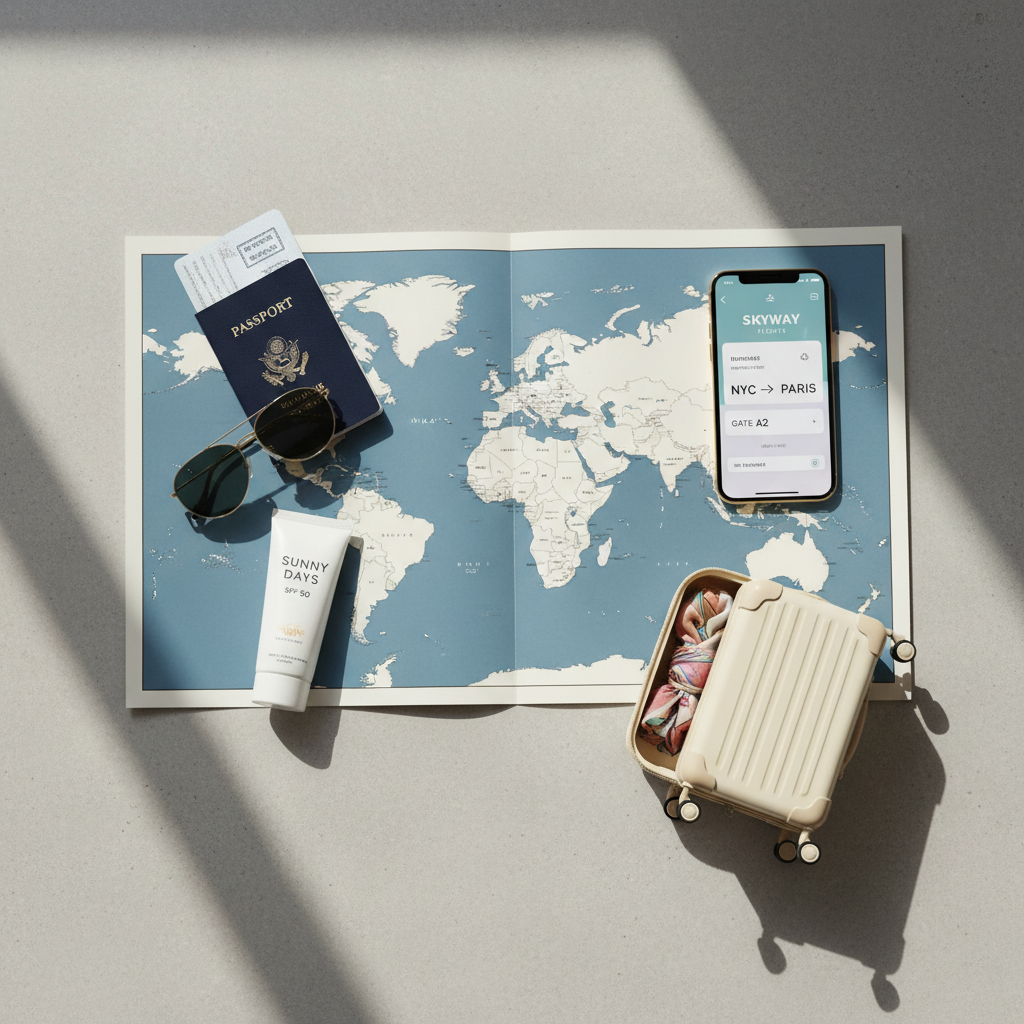
One more thing before we jump in: “2026” doesn’t magically change geography, but it does change costs, demand, and entry requirements. According to the U.S. Department of State, travelers should review destination-specific advisories and entry rules before booking nonrefundable plans.
Quick picks: where to go based on the kind of summer you want
If you’re deciding fast, start with the vibe. These are reliable categories Americans tend to book for summer, with destinations that usually fit well depending on timing.
- Big scenery, cooler air: Banff & Lake Louise (Canada), Iceland’s Ring Road, Alaska (Kenai + Denali)
- Classic beach with walkable towns: Algarve (Portugal), Greek islands (Naxos or Paros), San Diego (California)
- Food + culture without extreme heat: Montreal (Canada), Edinburgh (Scotland), Copenhagen (Denmark)
- Family-friendly, easy logistics: Maui (Hawaii, pick dates carefully), Outer Banks (North Carolina), Lake Tahoe (CA/NV)
- Road trip energy: Utah national parks, Pacific Northwest (Olympic + Mt. Rainier), New England coast
Key takeaway: If you hate heat and lines, prioritize higher latitudes, higher elevations, or shoulder-season edges like early June or late August.
A practical table to compare the best options (crowds, cost, weather)
This isn’t a “perfect ranking” table, it’s a decision tool. “Cost” and “crowds” are relative and can swing based on festivals, airfare spikes, and how far out you book.
| Destination | Best summer window | Crowd level | Typical cost feel | Why it’s on the list |
|---|---|---|---|---|
| Algarve, Portugal | June, early July, late Aug | Medium-High | Medium | Beach towns + cliffs, good value vs some Mediterranean hotspots |
| Iceland (Ring Road) | Late June–Aug | Medium | High | Long daylight, waterfalls, drives that feel like a movie |
| Banff & Jasper, Canada | Late June–Sep | High | High | Iconic lakes and hikes, but you need a plan for parking and lodging |
| Edinburgh + Highlands, Scotland | June–Aug | Medium-High | Medium-High | Culture + dramatic landscapes, easy to combine city and nature |
| San Diego, California | June–Sep | Medium | Medium-High | Beach weather without “melt-your-face” temps, great for short trips |
| Alaska (Kenai + Denali) | June–Aug | Medium | Medium-High | Wildlife and glaciers, peak-season requires earlier booking |
| Utah national parks | Early June, late Aug | High | Medium | Unreal landscapes, but midday heat can be a dealbreaker |

If you’re building your own short list of best summer travel destinations 2026, use the table logic: lock your “non-negotiables” (cool temps, direct flights, beach, hikes), then let cost and crowd tolerance pick the winner.
Top international summer destinations for Americans (with real-world caveats)
International summer trips can feel smoother than people expect, but the details matter: flight time, jet lag, and local peak-season patterns. These picks often work well for U.S. travelers, assuming you choose dates intentionally.
Portugal: Algarve + Lisbon as a two-speed trip
The Algarve does classic beach really well, and Lisbon adds food, viewpoints, and day trips. The catch is July and August can get busy fast in the most famous towns, so you may prefer smaller bases or split your stay.
- Good for: beach time, light adventure, couples and friend groups
- Watch for: car rental inventory, hotel cancellation terms, beach parking limits
Greece: pick islands that match your pace
Athens plus islands can be a dream, but island choice matters more than people admit. Some islands run party-late, others feel laid back, and ferry timing can affect your whole itinerary.
- Good for: swimming, villages, sunset dinners
- Watch for: mid-day heat, wind conditions, ferry delays
Scotland: city culture with a backup plan for weather
Edinburgh gives you festivals, pubs, and easy day trips; the Highlands deliver big landscapes. Expect weather mood swings, and build an itinerary that still works if you swap a hike day for a museum day.
- Good for: mild temps, scenic drives, history
- Watch for: limited lodging in small towns, festival pricing spikes
Iceland: high-impact nature, higher-impact budget
Iceland in summer has long daylight and road-trip freedom, which makes it popular for a reason. Many travelers underestimate costs, so the best move is setting a firm daily budget before you fall in love with upgrades.
- Good for: waterfalls, glaciers, geothermal pools
- Watch for: rental insurance decisions, wind while driving, limited “cheap” lodging
Best U.S. summer destinations (when you don’t want a huge flight)
Not every “best” summer trip needs a passport. For many Americans, the sweet spot is a shorter flight, a rental car only if necessary, and one main base to avoid packing every two days.
San Diego: easy, sunny, and forgiving
San Diego is a strong choice when you want beaches plus neighborhoods you can actually enjoy without “vacation recovery.” It also works well for multigenerational trips because everyone can do their own thing.
- Do: pick a neighborhood that matches your rhythm (walkability matters)
- Skip: over-committing to day trips if your goal is rest
Pacific Northwest: cooler air, trails, and coffee breaks
Seattle, Portland, Olympic National Park, and Mt. Rainier can make a great loop. Wildfire smoke is a real variable some summers, so you’ll want flexibility in your hiking days.
- Do: keep one “weather pivot” day for indoor options
- Watch for: trailhead parking, timed-entry systems where applicable
Utah national parks: spectacular, but plan around heat
Utah is unforgettable, but summer heat can turn a dream itinerary into a stressful one. Earlier starts and shorter hikes often feel better than forcing the longest trail because it looks good on a map.
- Do: hike at sunrise, rest mid-day, then go out again later
- Watch for: dehydration risk, flash flood warnings in slot areas
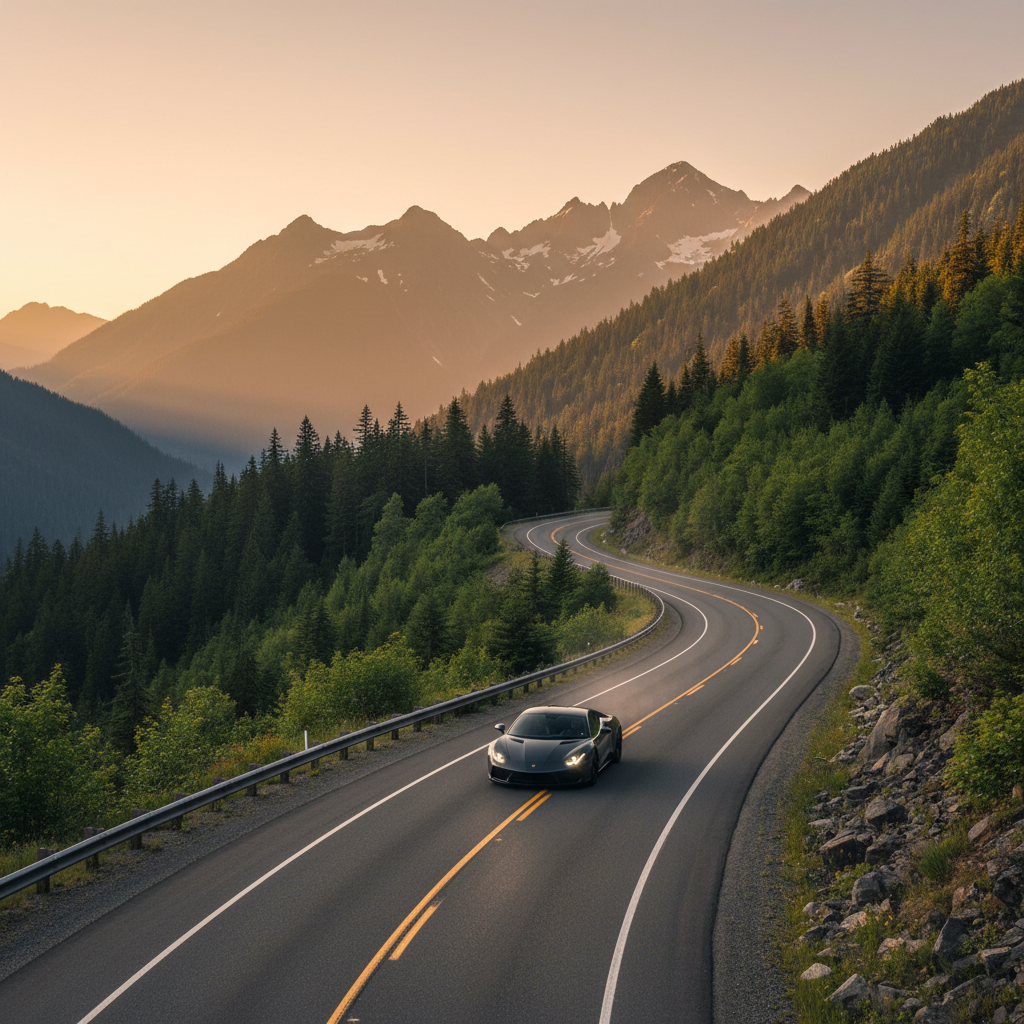
If your shortlist of best summer travel destinations 2026 leans domestic, you can often save money by traveling midweek and choosing one strong “home base” with day trips instead of moving hotels constantly.
A quick self-check: which destination type fits you right now?
This is the part most lists skip. Before you pick a place, pick your constraints, then let them pick for you.
- You hate crowds: choose late August, aim for smaller towns near big-name areas, book refundable stays early
- You hate heat: prioritize coasts, higher elevations, or northern latitudes, keep midday plans light
- You hate planning: pick one city base (Lisbon, Edinburgh, San Diego) and add 1–2 simple day trips
- You’re price-sensitive: avoid major festival weeks, consider “nearby alternatives” (ex: smaller Algarve towns)
- You want wow-factor nature: Iceland, Alaska, Canadian Rockies, but accept earlier booking as the trade
Key takeaway: The “best” destination is often the one that matches your tolerance for friction: heat, crowds, driving, and price swings.
How to book smarter for summer 2026 (steps that usually pay off)
Summer inventory disappears quietly, then prices jump, then people panic-book. A calmer approach works better.
- Start with dates, not deals: pick two possible weeks, then compare airfare and lodging across both
- Hold the essentials early: flights and core hotels, then fill in tours only if they truly matter
- Use cancellation terms as a feature: refundable stays can protect you from itinerary changes
- Build one “low-energy day”: summer itineraries break when every day is a marathon
According to the Transportation Security Administration (TSA), travelers should review current screening guidance and arrive early during peak travel periods; in practice, that means giving yourself more buffer time than you think you need, especially on weekends.
Common mistakes (and what to do instead)
A few patterns show up every summer, even among experienced travelers.
- Mistake: choosing a destination first, then trying to force dates. Better: pick your comfort window, then choose the place.
- Mistake: overpacking stops on a road trip. Better: fewer bases, longer stays, more “real” time.
- Mistake: ignoring local peak weeks. Better: check festival calendars and school holiday patterns before committing.
- Mistake: planning outdoor-only days. Better: keep an indoor backup for weather, smoke, or simple fatigue.
For health and safety topics like heat exposure, altitude, or water conditions, guidance can vary by person and trip intensity, so if you have medical concerns or are traveling with kids or older adults, it may help to consult a healthcare professional before committing to strenuous activities.
Conclusion: pick the “best” destination by matching season, budget, and your patience
The easiest way to land on best summer travel destinations 2026 is to stop chasing the perfect list and start matching a place to your reality: how much heat you can tolerate, how much you want to plan, and what you’re willing to pay for convenience.
If you want a simple next step, choose three destinations, price the same dates across all three, and then decide with your eyes open. Your future self usually thanks you for the boring comparison work.
If you’re stuck between two options, pick the one with simpler logistics and more flexibility, then spend your energy on the trip itself instead of constantly troubleshooting.
FAQ
- What are the best summer travel destinations 2026 for avoiding crowds?
Look for places with multiple “base towns” instead of one famous hub, and lean into early June or late August when many destinations feel less compressed. - How far in advance should I book summer 2026 travel?
For popular national parks, island destinations, and peak-summer Europe, earlier is usually easier, especially for the exact hotel you want. If flexibility matters, prioritize refundable rates. - Are domestic trips always cheaper than international in summer?
Not always. Airfare patterns can flip the math, and some international destinations can feel like better value once you compare lodging quality and dining costs. - Which destinations are best for mild summer weather?
Coastal California, the Pacific Northwest, Scotland, and parts of Canada often deliver more comfortable temperatures, though weather can still vary week to week. - Is Iceland worth it in summer if I’m on a budget?
It can be, but it helps to set expectations: costs add up fast. A tighter route, fewer hotel changes, and a clear food budget can keep the trip enjoyable. - What’s a good strategy if I’m worried about heat or wildfire smoke?
Build flexibility into your plan, keep alternative activities ready, and consider travel insurance that matches your risk tolerance and trip cost, reading exclusions carefully. - How do I choose between a beach trip and a nature road trip?
If you want rest, choose a beach base where you can walk to meals. If you want variety and don’t mind driving, choose the road trip and reduce hotel moves to avoid burnout.
If you’re planning summer 2026 and you’d rather not juggle ten tabs of research, a simple approach is to start with your dates, choose two “back-up” destinations, and build a lightweight itinerary that leaves room for real downtime.