
State park travel destinations are one of the easiest ways to squeeze real nature time into a regular week, without the cost and hassle of a big vacation.
If you’ve ever opened a park map, saw 40 trail options, and closed it again, you’re not alone. Local trips feel simple until you have to choose where to go, when to arrive, what to bring, and how to avoid the “we drove two hours for a crowded parking lot” situation.
This guide helps you pick the right type of park for your day, plan a workable timeline, and pack like someone who’s done this before, even if you’re starting from scratch.
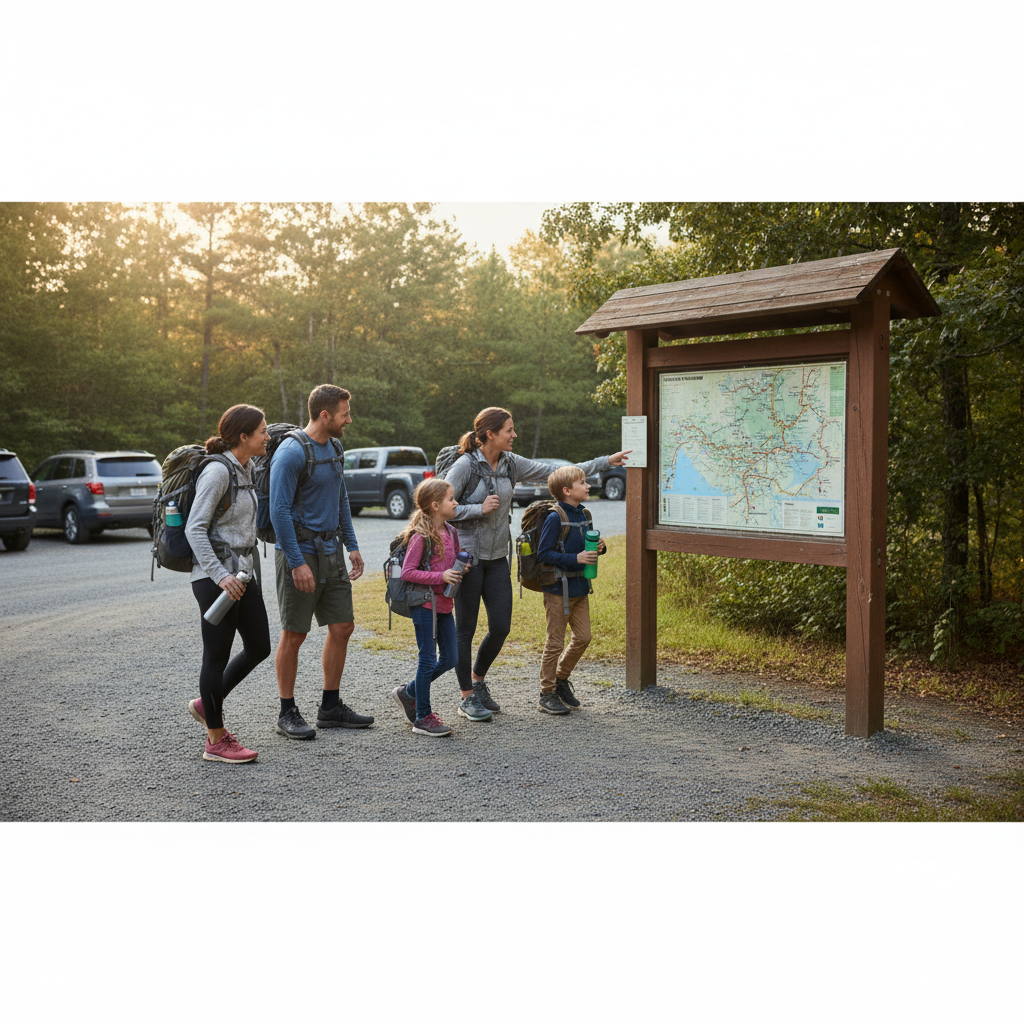
What “local” really means for a state park day trip
For most people, “local” isn’t a mileage number, it’s a trip that still feels restorative and doesn’t wreck tomorrow. A good rule is choosing parks you can reach without needing a complex departure plan.
- Half-day trip: 30–75 minutes each way, one main activity (a loop hike, beach time, a picnic).
- Full-day trip: 60–150 minutes each way, two activities (hike + visitor center, paddling + sunset spot).
- Overnight reset: 90–210 minutes each way, camping or a nearby motel, slower pace.
According to National Park Service guidance on outdoor safety planning, visitors should prepare for changing conditions and plan ahead with basics like water, weather awareness, and route selection. State parks vary, but the mindset carries over.
How to choose the right state park travel destination (by vibe, not hype)
Most trip disappointment comes from a mismatch: you wanted an easy stroll and picked a rugged canyon park, or you wanted solitude and chose the most photographed waterfall in the state.
Match the park type to your “today energy”
- Easy-win parks: paved paths, scenic overlooks, big picnic areas, short loops, good for mixed groups.
- Hike-focused parks: longer trail networks, elevation, fewer amenities, better for early starts.
- Water parks: lakeshore, beach access, kayak rentals in-season, higher crowd risk on hot days.
- History + nature parks: forts, missions, CCC-era structures, interpretive trails, solid “something for everyone” option.
Use these filters before you commit
- Parking capacity vs. your arrival time: if you can’t arrive early, pick places with overflow lots or shuttle systems.
- Trail density: more loops usually means less bottlenecking.
- Cell coverage expectations: assume it’s spotty and download maps ahead.
- Facilities: restrooms and potable water matter more than people admit, especially with kids.
Quick self-check: which local trip are you actually planning?
Before you search more, decide what success looks like. This takes two minutes and saves a lot of second-guessing.
- “I want movement” → prioritize trail quality, shade, and a clear loop route.
- “I want calm” → prioritize quiet zones, off-peak hours, and big open spaces.
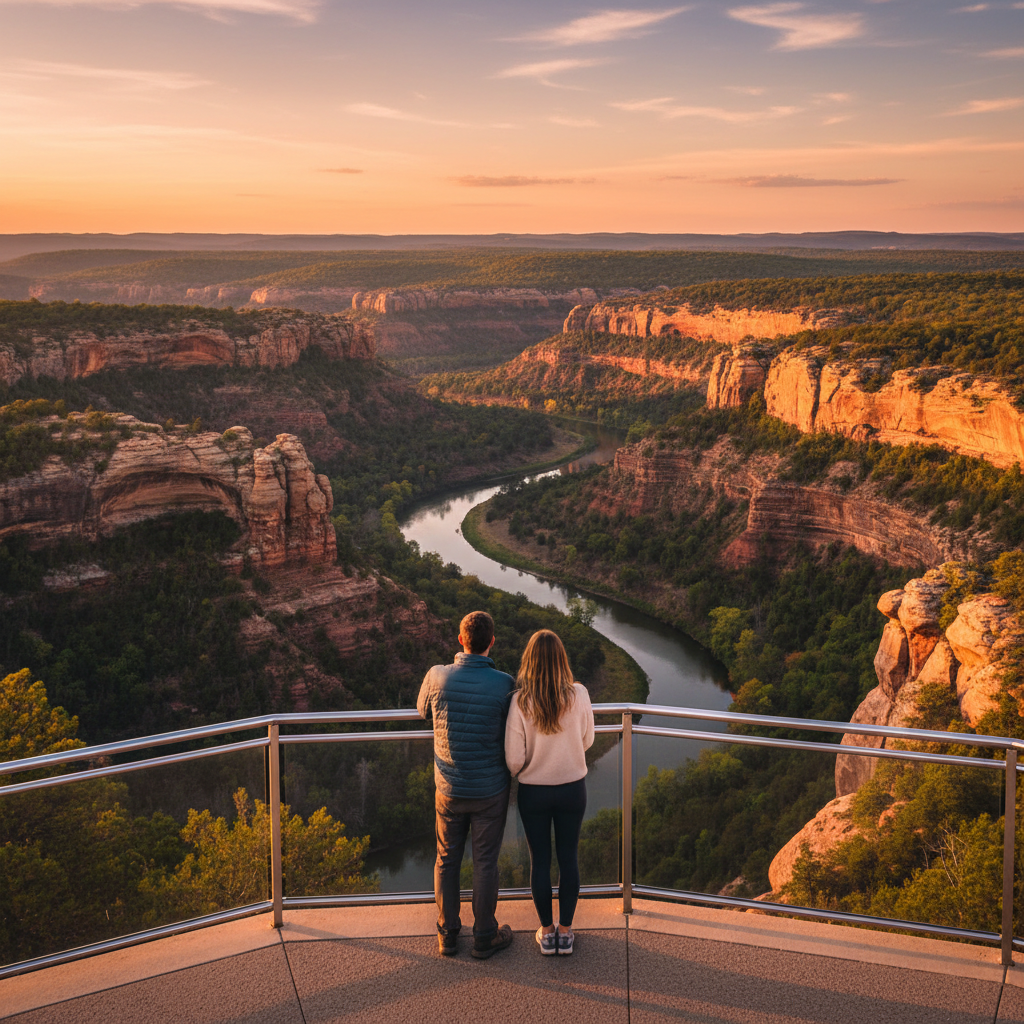
- “I want a photo or view” → prioritize overlooks and golden-hour timing, not max mileage.
- “I’m bringing a group” → prioritize picnic shelters, flexible trail options, and simple navigation.
- “I don’t want logistics” → prioritize parks with a visitor center, clear signage, and short trail loops.
If more than one feels true, pick the top two. When you try to optimize everything, you usually end up with a plan nobody loves.
A practical planning table (so you don’t overthink it)
Here’s a simple framework you can reuse. Swap in any state park travel destinations near you and the structure still holds.
| Trip style | Best day/time | Plan focus | Common mistake |
|---|---|---|---|
| Short hike + picnic | Weekend morning | Arrive early, pick one loop | Adding “one more trail” late |
| Lake/beach day | Weekday if possible | Shade, water, parking plan | Underestimating sun exposure |
| Scenic drive + overlooks | Late afternoon | Golden hour timing | Arriving at the best view at noon |
| Family exploration | Any day, earlier start | Restrooms, short loops, snacks | Overplanning distance |
| Big hike day | Cooler season | Route + turnaround time | Starting too late |
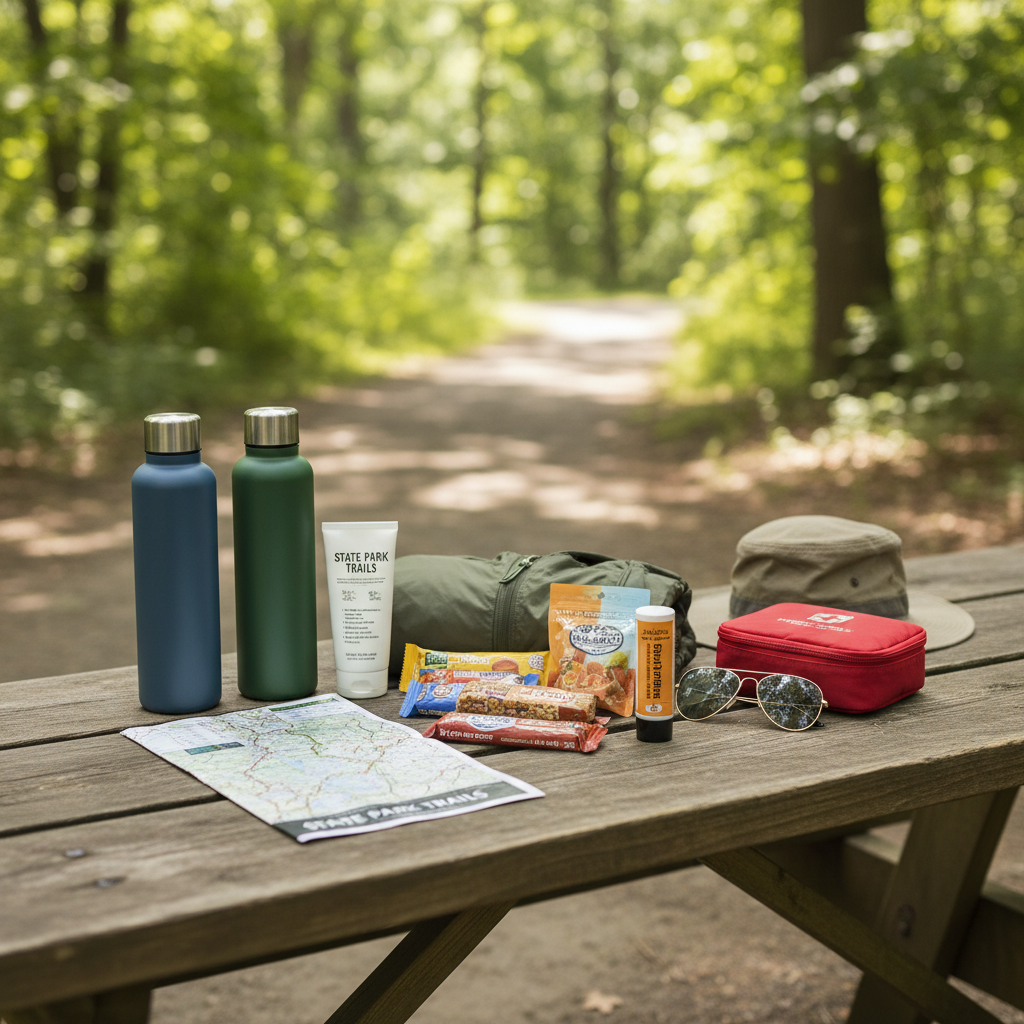
What to pack for a smooth local park trip (the “no regret” list)
You can buy extra snacks later, but the basics make the day feel easy. Keep a small tote pre-packed if you do this often.
Core essentials
- Water: more than you think you need, especially in heat or dry climates.
- Sun + bug protection: sunscreen, hat, repellent where relevant.
- Navigation backup: downloaded map or printed screenshot.
- Layer: a light jacket or rain shell, weather swings happen.
- Food buffer: salty snack + quick sugar, not just a “nice lunch.”
Nice-to-have, depending on your park
- Small first-aid kit and blister care
- Trash bag for pack-out
- Binoculars for wildlife areas
- Microfiber towel for water parks
According to CDC outdoor guidance, preventing tick and insect bites often involves practical steps like using EPA-registered repellents and doing checks after time in brushy areas. If that’s relevant in your region, it’s worth taking seriously.
Easy itineraries you can copy (and adjust in 30 seconds)
These are intentionally simple. They work because they leave space for the reality of parking lines, snack breaks, and “wait, that overlook is right there.”
Itinerary A: 4-hour reset
- Arrive
- 1–1.5 hour loop trail
- Snack + short scenic stop
- Visitor center or second short walk
Itinerary B: Full-day classic
- Arrive early, do the most popular trail first
- Picnic lunch (bring shade if it’s a summer park)
- Optional second activity: overlook drive, beach hour, or easy interpretive loop
- Leave before the late-day rush if the access road is limited
Itinerary C: Low-mobility friendly afternoon
- Scenic drive + two overlooks close to parking
- Short accessible path
- Picnic table sunset or golden-hour viewpoint
Common mistakes (and the small fixes that actually help)
Most “bad park days” are predictable. You don’t need a perfect plan, you need a plan that avoids the classic traps.
- Arriving at peak time: if you can’t start early, go later and make it a sunset trip.
- Trying to do every highlight: pick one anchor activity, then add only if energy stays high.
- Ignoring weather nuance: heat index, wind, and storm timing matter more than the app icon suggests.
- Assuming cell service: tell someone your general plan if you’re heading into low-service areas.
- Underestimating kids’ or beginners’ pacing: shorter trails with a “bonus option” usually go better.
When to get extra help or change the plan
Sometimes the best call is adjusting expectations. If a trip involves steep terrain, extreme temperatures, water crossings, or medical considerations, it’s smart to scale back or consult a qualified professional.
- Health or mobility concerns: consider accessible trails, closer viewpoints, and shorter time blocks, a healthcare professional can advise on exertion limits if needed.
- High-risk conditions: lightning, wildfire smoke, or extreme heat often justify changing the destination.
- New-to-you activities: for paddling, climbing, or backcountry routes, guided options can reduce risk and decision fatigue.
According to National Weather Service safety guidance, thunderstorms and heat can create serious hazards outdoors. If conditions look questionable, it’s usually better to choose a lower-exposure park or reschedule.
Conclusion: make local trips feel like a real break
Good state park travel destinations don’t have to be famous, they just have to match your time, your energy, and your tolerance for crowds. If you do one thing today, pick a park type that fits your goal, then lock in an arrival window that gives you breathing room.
If you do a second thing, build a reusable pack list and keep it simple, the easiest local trips are the ones you can repeat without renegotiating every detail.
FAQ
What are the best state park travel destinations for a quick weekend?
The best picks are usually parks with multiple short loops, reliable facilities, and more than one “plan B” area if the main trailhead is busy. Look for places with a visitor center and several trailheads rather than a single headline waterfall.
How early should I arrive at popular state parks?
Many parks fill parking earlier than people expect, especially on warm Saturdays. If you can’t arrive in the morning, shifting to late afternoon can be calmer and still scenic, particularly for overlooks and lakes.
Do I need reservations for state park day use?
It depends on the state and the specific park. Some use timed entry or day-use reservations during peak season. Check the official state park site the day before, because policies change with demand and staffing.
What should I pack for a state park day trip with kids?
Beyond water and snacks, bring a small comfort kit: wipes, a backup layer, and something easy to do during breaks. Short trails with interesting stops usually beat “long hike goals” for family morale.
How do I find less crowded state parks near me?
Try parks with larger trail networks, multiple entrances, or fewer “icon” viewpoints, and go outside peak hours. Also, filtering for lesser-known recreation areas on your state’s official parks map often surfaces solid options.
Are state parks safe for solo travelers?
Often yes, but the practical safety habits matter: share your plan, stick to well-marked trails, and carry navigation even if you expect cell service. If you’re unsure about a route’s difficulty, choose a shorter loop and extend only if conditions feel comfortable.
What’s a realistic hiking distance for a casual local trip?
For many casual hikers, 2–5 miles can feel enjoyable if elevation and heat are reasonable. Terrain changes everything, so it’s smart to prioritize “time on trail” and turnaround points over mileage targets.
If you’re building a shortlist of state park travel destinations near your home and want a more streamlined approach, start with two parks for “easy-win” days and one park for “big day” energy, that small lineup makes last-minute planning much less stressful.