
Pick your own travel farms can be an easy win for road trips, until you hit the real-life friction: season confusion, long lines, surprise cash-only stands, or arriving after the best rows are already picked over. The good news is you can plan this like a mini food-and-scenic itinerary, not a gamble.
What makes U-pick travel worth it is the mix of fresh produce, outdoor time, and a local experience that feels more “you’re here” than a typical roadside stop. But the same thing that makes it charming also makes it unpredictable, farms change hours with weather, crops shift week to week, and rules vary widely.
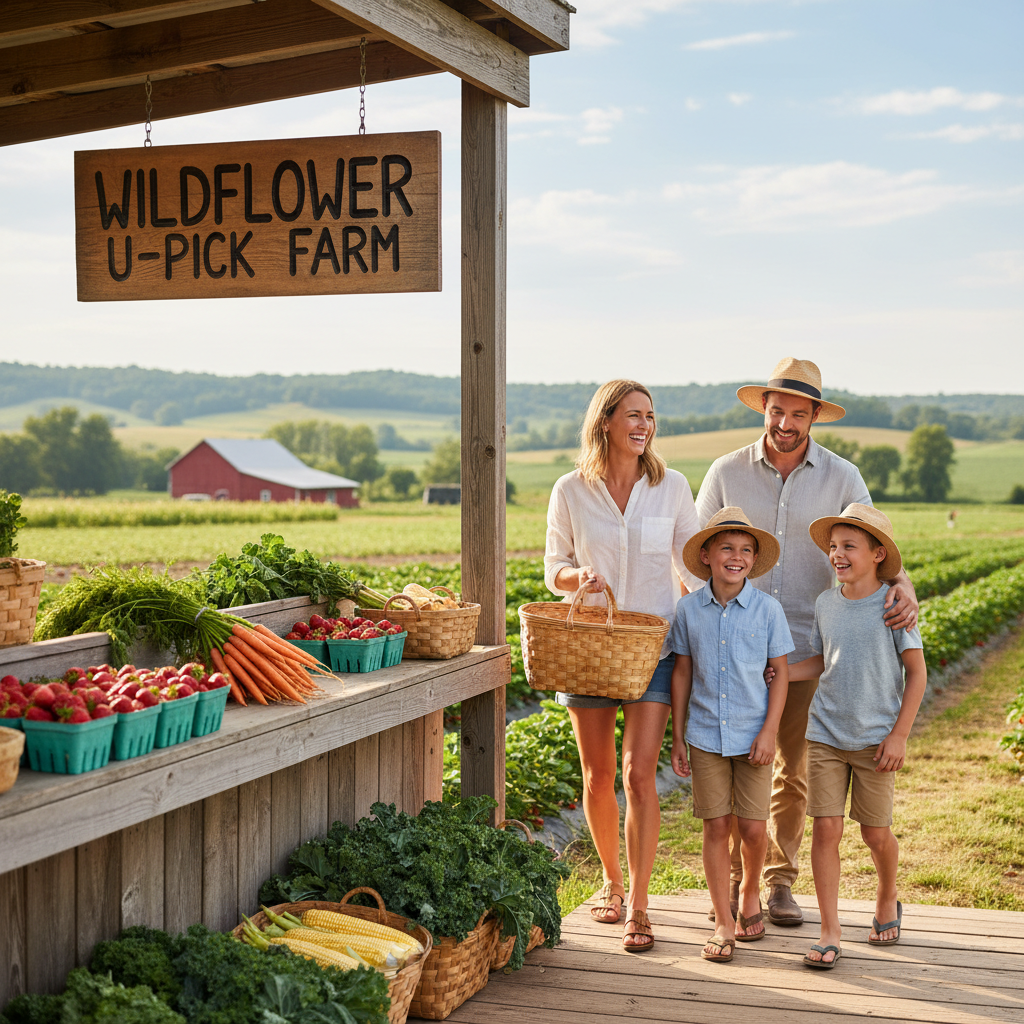
This guide helps you choose farms that match your time, budget, and comfort level, and it gives you a practical checklist for timing, what to bring, and what to watch for. I’ll also flag common traps that turn “cute outing” into “why did we do this.”
What “pick-your-own travel” really means in the U.S.
Most people picture a single farm visit, but pick your own travel farms usually works best as a short loop, one to three stops in a day, plus a meal or scenic break. Think of it like a farmers-market road trip where the field is the market.
In the U.S., U-pick farms range from polished agritourism operations with online tickets to small family farms with a handwritten sign and a Venmo QR code. Some charge by the pound, others by the container, and a few add an entry fee on busy weekends.
- Fruit-heavy trips: strawberries, blueberries, apples, peaches, cherries (region and season vary a lot)
- Veggie-focused visits: sweet corn, tomatoes, peppers, pumpkins, greens, flowers in summer and fall
- Experience-driven farms: hayrides, petting zoos, farm bakeries, cider donuts, you name it
Why plans go wrong: common pain points (and how to avoid them)
Most “bad U-pick days” follow the same pattern: timing is off, expectations are off, or logistics are off. Sometimes all three.
1) Season timing and “it looked good online”
Crop photos can stay on a website long after peak. Weather can also pull peak forward or push it back. According to USDA, weather variability plays a major role in crop conditions and timing, which is exactly why U-pick availability can change quickly.
2) Weekend crowds and picked-over rows
Busy Saturday afternoons are where you’ll see longer check-out lines and more “we’re closing early” signs. If you can, go earlier in the day or pick a weekday.
3) Hidden costs and policies
Some farms require a minimum purchase per container, some don’t allow outside containers, and some have separate pricing for “already-picked” vs U-pick. It’s not shady, it’s just different business models, but you want to know before you arrive.
4) Comfort and accessibility mismatches
Fields can be muddy, uneven, hot, and full sun. If you’re traveling with toddlers, older adults, or anyone who needs smoother access, confirm parking distance, restroom options, and whether there are shaded areas.
A quick self-check: what kind of U-pick traveler are you?
Before you search maps for pick your own travel farms, decide what “success” looks like for your day. This avoids the classic mismatch, like planning a two-hour hike-type field for someone who wanted a 30-minute stroll.
- “Snack-and-go”: you want a small basket, photos, a farm stand treat, then move on
- “Freezer restock”: you’re picking volume, you care about price per pound and efficient fields
- “Family experience”: you prioritize activities, bathrooms, shade, and easy check-in
- “Foodie route”: you want varietals, peak flavor, and maybe a nearby restaurant or winery
If you’re in the freezer-restock camp, call ahead or check updates for picking conditions. If it’s family experience, look for timed entry, wagon rides, and on-site food, not every farm offers those.
How to find good pick-your-own farms (without overthinking it)
You don’t need a perfect system, but you do need a filter. Start with geography, then season, then trust signals.
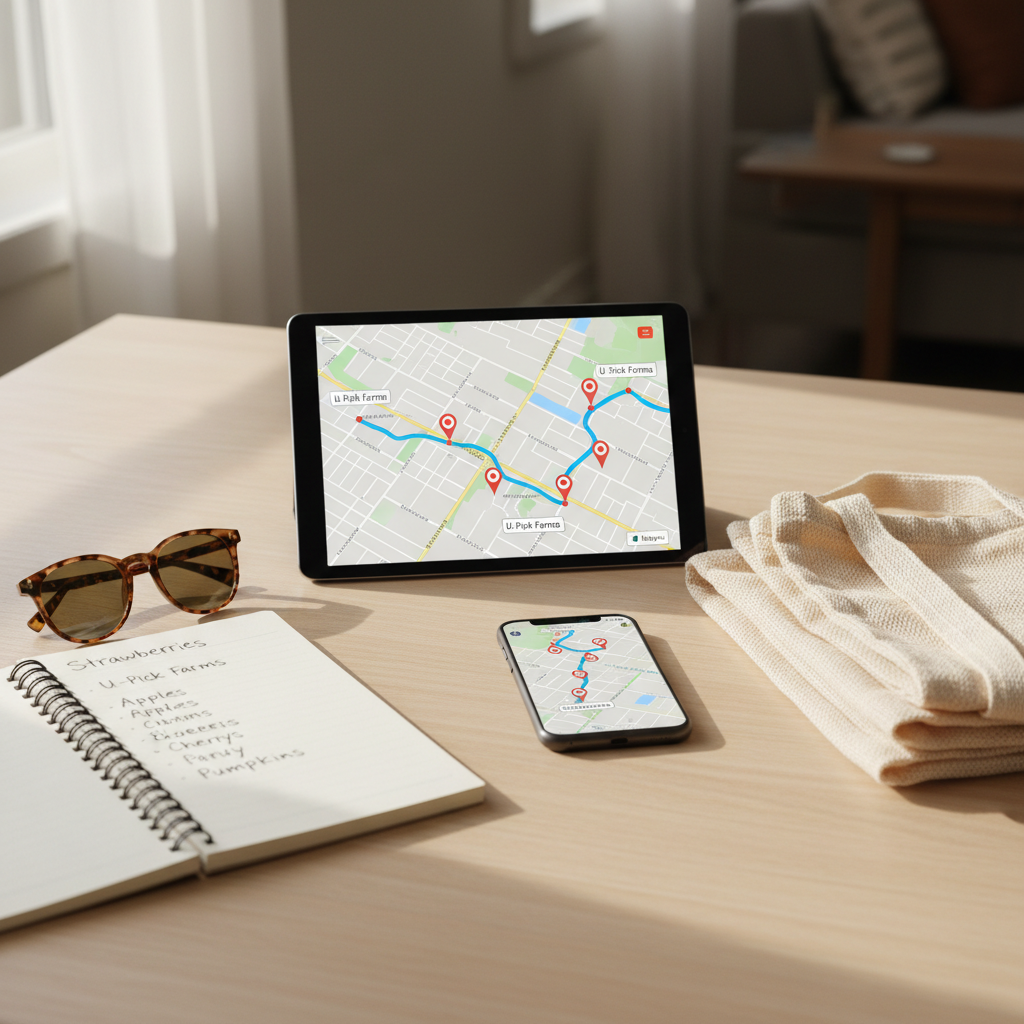
Look in the right places
- State extension offices: many states publish seasonal agriculture updates and farm resources. According to National Institute of Food and Agriculture (NIFA), the Cooperative Extension System supports research-based information for agriculture and communities, which is why extension pages can be a solid starting point.
- State farm bureaus and local tourism sites: sometimes better curated than general map searches
- Farm social pages: often the fastest place for “today we’re open” and crop status
Trust signals that actually matter
- Clear crop calendar: even if it’s “approximate,” it shows they update
- Upfront rules: container policy, pets, payment types, field conditions
- Recent updates: last post within a week or two during the season
And yes, reviews can help, but focus on patterns, not one angry comment about bees. There will be bees.
Practical planning: timing, packing, and on-site etiquette
This is the part that makes the day feel smooth. A little prep goes a long way, especially if you’re stacking multiple pick your own travel farms stops.
When to go
- Best time of day: morning for cooler temps and better selection
- Best day: weekdays when possible, or Sunday afternoons if Saturday is packed in your area
- Weather rule of thumb: if it rained recently, assume mud and bring shoes that can handle it
What to bring (realistic road trip kit)
- Water, sunscreen, hat, bug spray you’re comfortable using
- Closed-toe shoes, plus a spare pair in the car
- Reusable bags or bins for the car, even if you pick into farm containers
- Paper towels and a small cooler for delicate berries and greens
- Cash plus a card, just in case, and check whether the farm takes digital payments
On-site etiquette that keeps things pleasant
- Don’t sample unless they say it’s ok: some farms allow it, many prefer you don’t
- Pick gently: pulling branches or vines can damage future harvest
- Stay in designated rows: it’s about safety and crop management, not being strict
How to compare farms quickly: a simple table
If you’re choosing between two or three farms, compare them like you would compare hotels, not just by “looks cute.” Here’s a compact view you can screenshot and use.
| What to compare | Why it matters | What to look for |
|---|---|---|
| Crop status | Avoid arriving after peak | Daily/weekly updates, “picked-out” warnings |
| Pricing model | Controls total spend | Per pound vs per container, any entry fee |
| Hours & tickets | Prevents wasted drive time | Reservation system, last entry time, weather closures |
| Field conditions | Comfort and safety | Mud notes, row spacing, shade, wagon help |
| Facilities | Family-friendliness | Restrooms, handwashing, food options |
| Rules | Reduces friction | Pets, outside containers, sampling policy |
Safety, food handling, and what people often overlook
U-pick is usually very safe, but it’s still outdoors and it’s still food. According to FDA, produce safety includes reducing contamination risks during handling and storage, which matters even more when you’re picking and transporting items yourself.
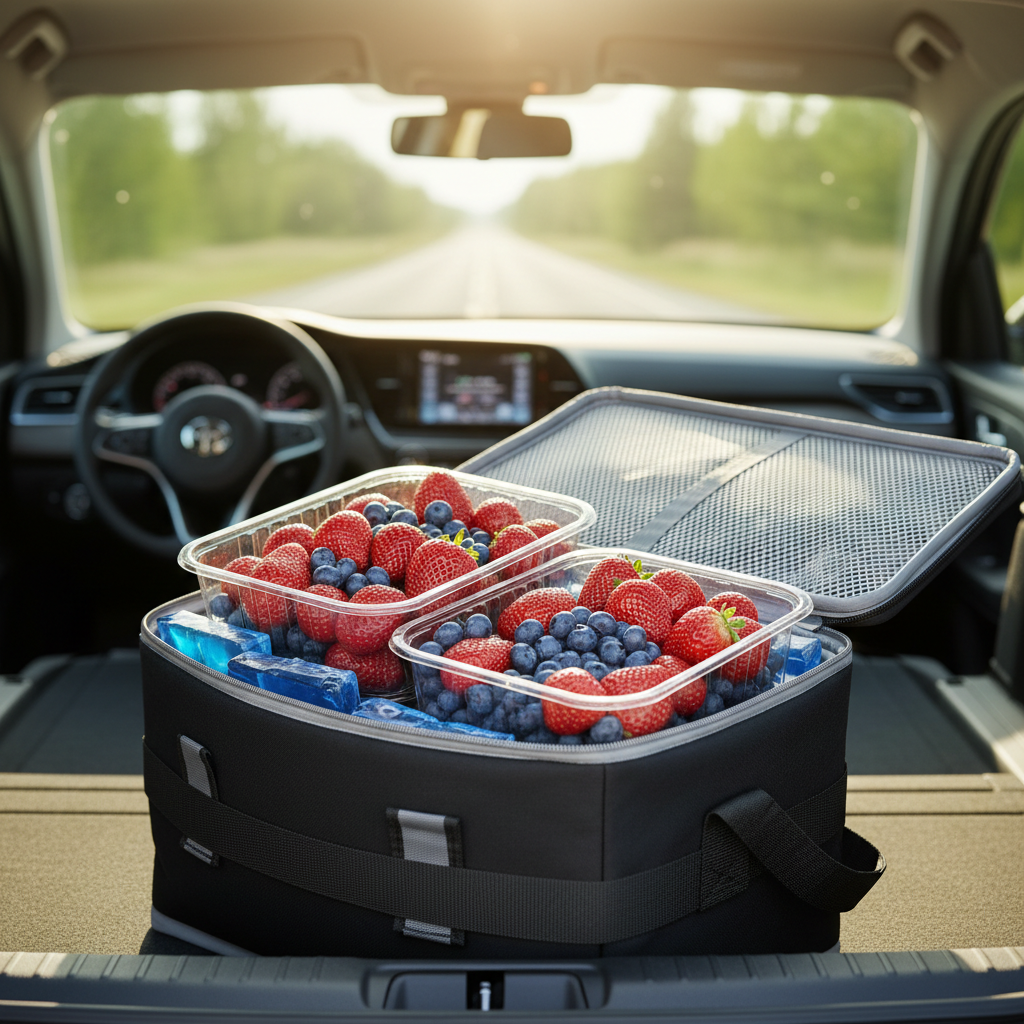
- Wash later, not now: washing berries before travel can speed spoilage, many people wait until home, then wash and dry well.
- Cool quickly: heat is what ruins delicate fruit on road trips, a small cooler can save the day.
- Allergies and stings: if someone has a history of severe reactions, consider bringing appropriate medication and ask a healthcare professional for personalized advice.
- Kids and farm animals: if there’s a petting area, handwashing matters before eating, and many farms provide stations.
Key takeaways: confirm crop status before you drive, plan for heat and mud, and choose farms that match your pace, not just the prettiest photos.
When it’s worth asking for help (or choosing an easier option)
If you’re planning a group trip, traveling with mobility needs, or you’re trying to pick large volume for canning or freezing, it can help to call the farm and ask blunt questions: what’s picking like this week, how long does it take, do they provide wagons, what’s the best arrival time.
If food safety or allergies are a concern in your household, or you’re unsure how to store and process large amounts of produce, a quick check with a qualified professional is a reasonable step. It’s not overcautious, it’s just how you keep a fun day from turning stressful.
Conclusion: make the trip feel easy, not “extra”
Pick your own travel farms work best when you treat them like time-sensitive stops, similar to a limited-hours museum or a seasonal festival. Confirm what’s picking, arrive earlier than you think, and keep your car setup ready for produce.
If you do only two things, do these: save a cooler spot in the car, and pick one “backup” farm stand nearby in case the field is closed. That tiny bit of planning usually keeps the day fun.