
Eye mask travel sleep aid is often the simplest fix when your body wants sleep but the cabin lights, hotel hallway glow, or early sunrise keeps your brain “on.” If you travel a lot, you already know the frustrating part: you can be tired and still not fall asleep, because the environment keeps sending “it’s daytime” signals.
Light management matters more than most people think, especially on red-eyes, long train rides, and unfamiliar hotel rooms. Blocking light is not a luxury detail, it’s a practical way to support your natural sleep-wake rhythm when your schedule gets messy.
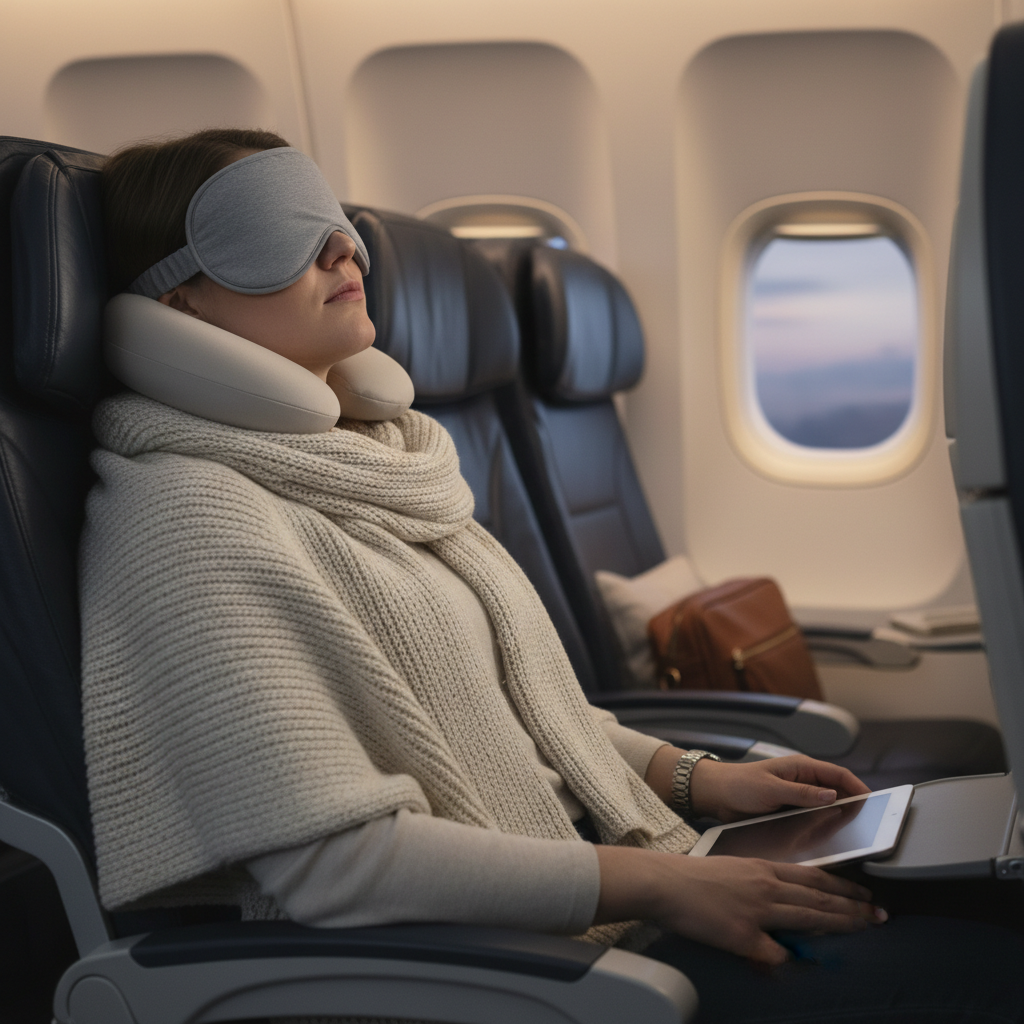
This guide stays practical: why an eye mask helps, how to tell if yours fits poorly, what features actually matter, and a few easy routines that make the mask work better. No perfection required, just fewer bad nights away from home.
Why an eye mask helps you sleep while traveling
Travel sleep is usually disrupted by a stack of small annoyances, and light is one of the easiest to control. Even with eyes closed, bright or flickering light can keep your brain more alert than you want.
According to the American Academy of Sleep Medicine (AASM), light exposure influences the body’s circadian timing, which helps explain why hotel light leaks and early morning sun can push you awake sooner than planned. You don’t need a medical deep dive here, just the takeaway: less light often makes it easier to drift off and stay asleep.
- Cabin and station lighting: overhead lights, reading lights, screens, signage.
- Unfamiliar rooms: LED chargers, smoke detectors, hallway gaps under doors.
- Schedule shifts: time zones and early check-ins create odd “bedtimes.”
- Micro-awakenings: quick wake-ups you might not remember, triggered by light changes.
Quick self-check: is your current mask actually the problem?
A lot of people “try an eye mask” once, hate it, then assume masks don’t work. In reality, the most common issue is a poor fit that either leaks light or feels irritating, which makes you more awake.
- You see light at the nose bridge when you face a lamp or window.
- You feel pressure on eyelids, especially if you have longer lashes or sensitive eyes.
- It slides off when you turn your head, or loosens overnight.
- You wake with irritation or warmth around the eyes.
- Strap pain behind the ears or at the back of the head.
If two or more of these sound familiar, an upgrade is usually worth it. If none apply and you still can’t sleep, the mask might be fine, and the real barrier is noise, anxiety, caffeine timing, or seat discomfort.
What to look for in an eye mask travel sleep aid (without overbuying)
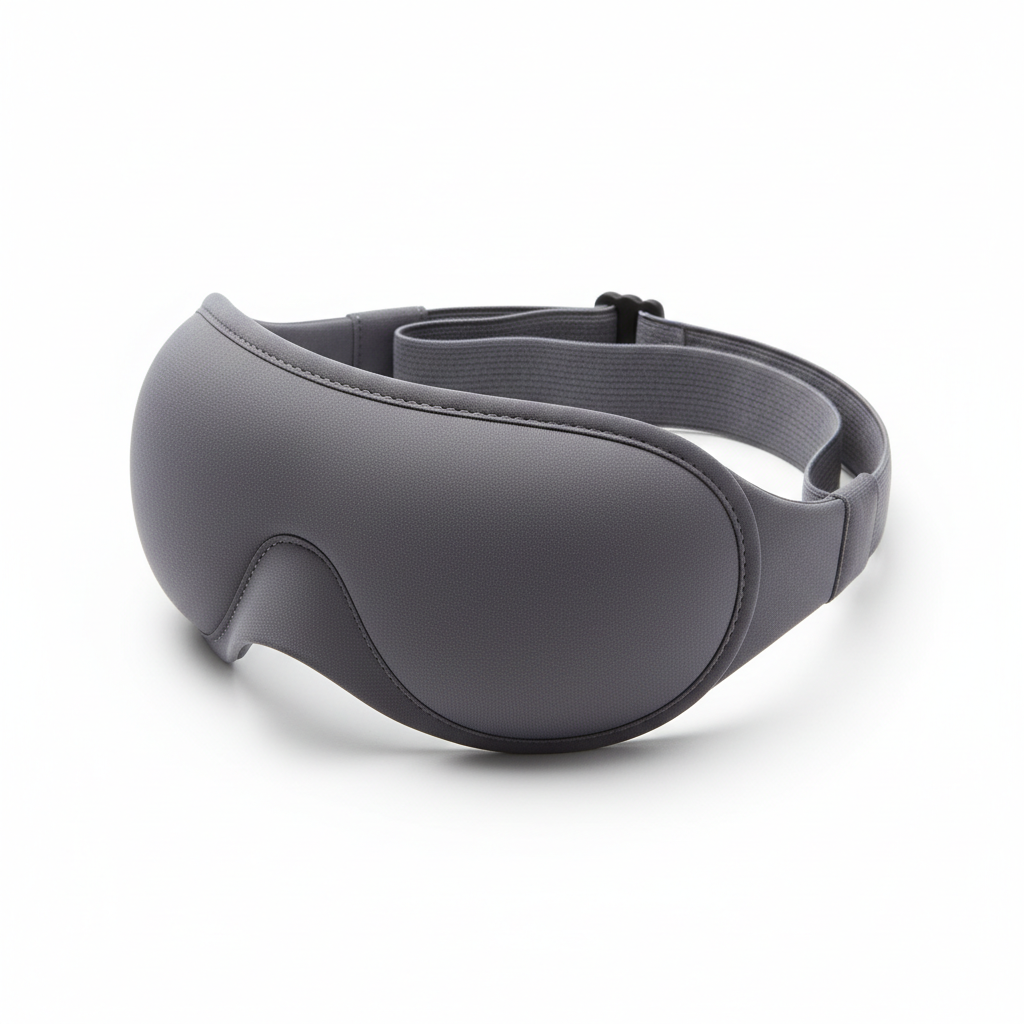
Features matter, but not in the “more expensive must be better” way. You want a mask that blocks light reliably and disappears on your face.
Fit and light seal come first
- Nose bridge shape: look for a design that reduces the “light triangle” near the nose.
- Contoured eye cups: helpful if you dislike eyelid pressure or wear lash extensions.
- Adjustable strap: a must for planes, because you’ll move more than you expect.
Material and heat management
- Breathability: warmer fabrics can feel cozy, but may get sweaty in cabins.
- Skin sensitivity: if you react easily, prioritize soft linings and avoid rough seams.
- Washability: travel gear gets gross fast, so easy cleaning matters.
Strap design that won’t punish you
- Wide strap: spreads pressure, usually more comfortable for side sleepers.
- Flat adjustment hardware: less likely to dig in when your head rests against a seat.
Comparison table: which mask style fits your trip?
If you’re shopping quickly, match the mask style to your situation. This avoids the classic mistake of buying a “cute” mask that works in bed but fails on a plane.
| Mask type | Best for | Pros | Possible downsides |
|---|---|---|---|
| Flat satin/silk-style | Hotel rooms, short naps | Lightweight, packs small, gentle feel | More light leaks, eyelid pressure |
| Contoured (3D) mask | Planes, long-haul, sensitive eyes | No eyelid pressure, better seal for many faces | Bulkier in a pouch, fit varies by nose shape |
| Extra-wide “blackout” mask | Bright cabins, early sun, light sleepers | Stronger coverage, often better at blocking side light | Can feel warm, may shift if strap is weak |
How to use an eye mask on a plane, train, or in a hotel (small steps that help)
Wearing the mask is the easy part, but small setup choices can decide whether it feels calming or annoying. The goal is comfort plus consistency, not squeezing your face into darkness.
- Put it on before you’re desperate: use it when you first decide “I’m sleeping now,” not after 30 minutes of tossing.
- Angle matters: pull the mask slightly downward so the bottom edge seals near the nose without pressing it.
- Pair it with a simple cue: hoodie up, seat reclined, one playlist, then mask, your brain starts recognizing a routine.
- Keep the strap comfortable: snug enough to seal, loose enough to forget it exists.
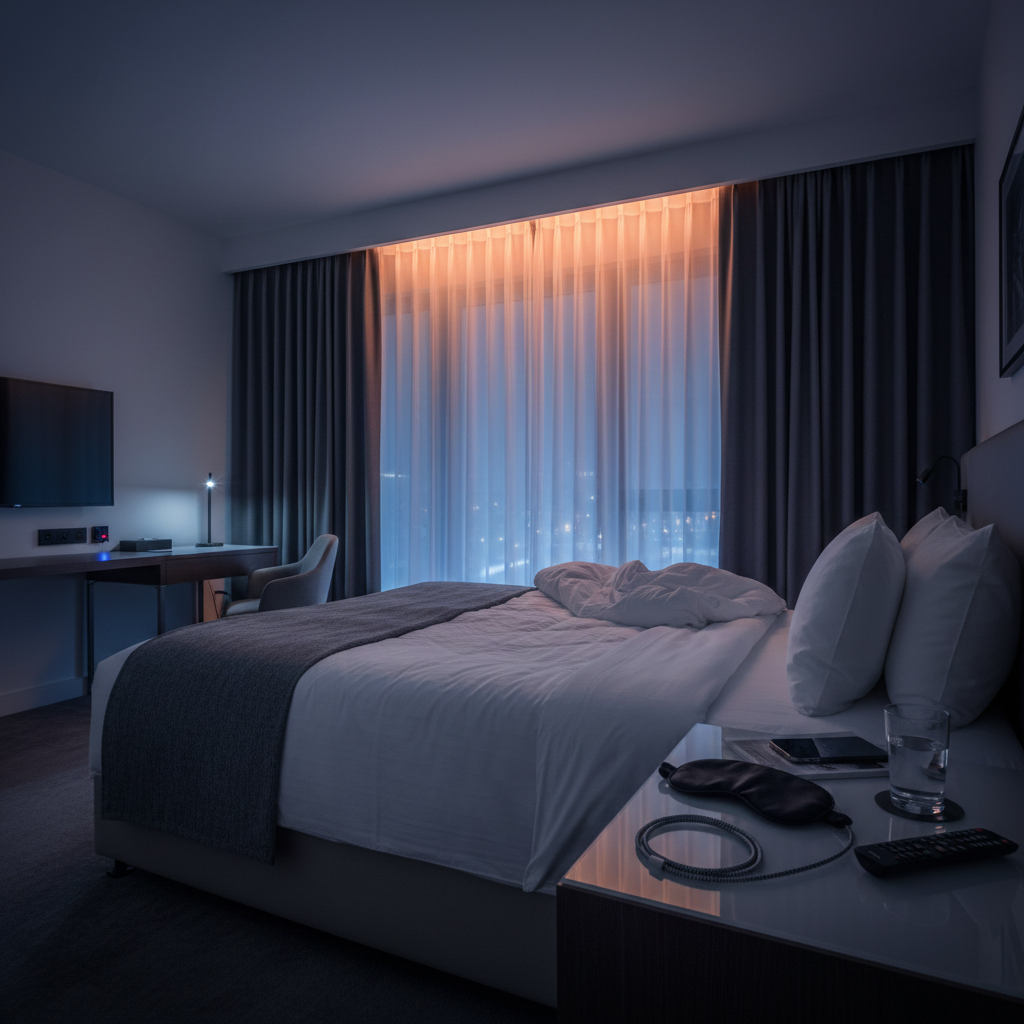
In hotels, do a 20-second light scan: chargers, standby LEDs, and curtains that gap. A mask is great, but reducing the brightest sources makes sleep feel less “forced.”
Common mistakes that make masks feel “useless”
Most disappointments come from a few predictable habits. Fixing them tends to improve results quickly.
- Buying “one-size” and never adjusting it: if it’s loose, it leaks light, if it’s tight, you’ll rip it off in your sleep.
- Ignoring nose fit: that tiny gap can be the whole problem on a bright flight.
- Expecting it to solve noise: the mask handles light, not announcements, engine hum, or a snoring neighbor.
- Using it with dry-eye discomfort: some people find covered warmth irritating, if you have eye issues, consider asking a clinician what’s appropriate.
- Wearing it over makeup or sunscreen: you may get smearing and irritation, which turns into wake-ups.
If you need a broader “sleep kit,” many travelers combine a mask with earplugs, a neck pillow that supports the jaw, and a consistent wind-down routine. Your eye mask travel sleep aid works best as part of that ecosystem, not as a lone hero.
When to get extra help (or rethink what’s going on)
If you’re traveling for work, it’s tempting to treat poor sleep like a normal cost of doing business. But if insomnia follows you even at home, or you’re dozing off unintentionally during the day, it might be more than “bad hotels.”
- Frequent loud snoring, choking sensations, or gasping can be a sign to talk with a medical professional.
- Persistent insomnia lasting weeks, especially with anxiety or depression symptoms, deserves a real conversation with a clinician.
- Medication or supplement questions are worth asking a pharmacist or doctor, because travel fatigue plus new products can interact in unexpected ways.
According to the Centers for Disease Control and Prevention (CDC), shifting time zones can disrupt sleep and alertness, and managing light exposure is one practical lever. If you travel across time zones often and feel “jet lagged” for days, consider a more structured plan, possibly with professional guidance.
Key takeaways and a realistic next step
If you want more consistent rest on the road, treat light control as a baseline, not a bonus. A comfortable, well-sealing mask plus a tiny routine usually beats a random mask you tolerate for ten minutes.
- Choose fit over fancy fabric, especially around the nose and strap.
- Test at home for two nights so the first use isn’t on a red-eye.
- Pair it with one repeatable cue like a playlist or breathing pattern to make sleep feel automatic.
If you’re packing for an upcoming trip, do one small thing today: try your mask in a bright room facing a lamp, if you see leaks, adjust or replace it before you travel.
FAQ
What is the best eye mask travel sleep aid for airplanes?
Many people do well with a contoured (3D) mask because it reduces eyelid pressure and often seals better in bright cabins. The “best” depends on your nose bridge and strap comfort, so a quick at-home fit test matters more than brand hype.
Why do I still wake up even with an eye mask?
Light might be handled, but noise, temperature swings, dehydration, caffeine timing, and stress can still trigger wake-ups. If you wake at the same moments during a flight, it may be announcements or seat movement rather than light leaks.
Do eye masks help with jet lag?
They can support jet lag management by limiting unwanted light exposure when you’re trying to sleep at an unusual local time. Jet lag is multi-factor, though, and you may need additional strategies like timed outdoor light in the morning.
Is a silk eye mask better than a foam contoured mask?
Silk often feels nicer on skin and packs smaller, but contoured masks tend to block light more reliably for many travelers. If your main issue is comfort, silk may win, if it’s cabin brightness, contoured often wins.
How tight should an eye mask be for travel?
Snug enough that it doesn’t slide when you turn your head, but not so tight you feel pulsing pressure. If you notice strap marks or headaches, loosen it and prioritize a better seal shape instead.
Can I use an eye mask if I have dry eyes or wear contacts?
Some travelers with dry eye feel worse with warmth and friction, and wearing contacts while sleeping is generally not recommended. If you have eye conditions, it’s safer to ask an eye care professional what’s appropriate for you.
How do I clean a travel eye mask on the road?
If it’s machine washable, follow the label and use a small laundry bag. For quick cleaning, gentle soap and water usually works, then air-dry fully, because damp fabric can feel irritating the next night.
If you want a simpler, more reliable setup
If you’re traveling often and tired of trial-and-error, it may help to build a small “sleep kit” with a mask that seals well, plus earplugs and a routine you repeat every trip. If you prefer a more streamlined approach, look for a comfortable eye mask travel sleep aid designed for adjustable fit and low light leakage, then practice with it at home before you rely on it in transit.