
The best travel first aid kit for family trips is the one that matches where you’re going, how your kids react when they’re sick or hurt, and what you can realistically use under stress. The tricky part is that most “all-in-one” kits look complete, but they often miss kid-friendly meds, the right bandage sizes, or a plan for allergies.
If you’ve ever tried to buy ibuprofen at midnight in an unfamiliar town, or realized your only bandage won’t stick after a pool day, you already know why this matters. A small issue can turn into a trip-derailer when you’re traveling with children.
This guide focuses on what families actually need in 2026, how to pick a kit that fits your travel style, and how to customize without overpacking. I’ll also flag common mistakes, because many “well-prepared” bags end up being cluttered, outdated, or hard to use.
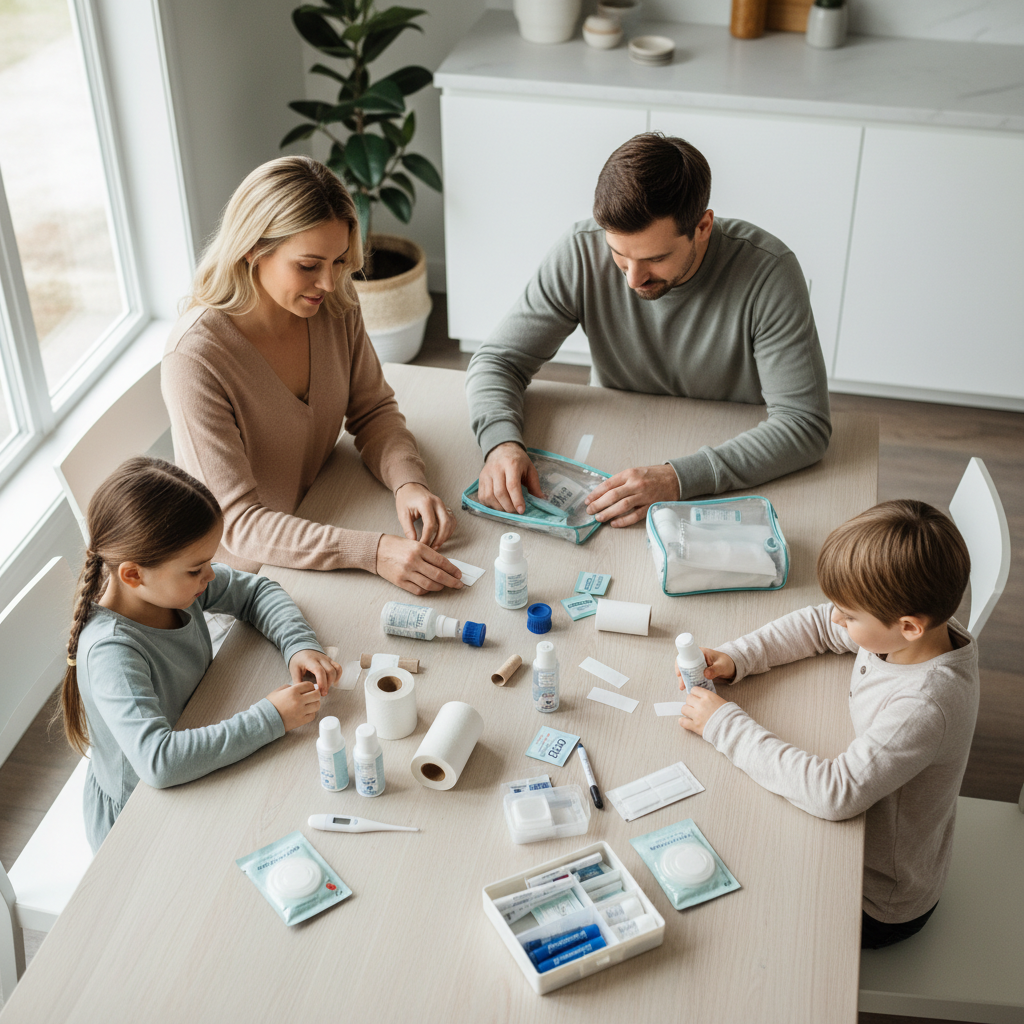
What “best” really means for a family travel first aid kit
Families tend to search for the best travel first aid kit for family use as if there’s one perfect box. In practice, “best” usually comes down to four things: coverage, usability, portability, and replenishment.
- Coverage: Handles the most likely problems, not rare scenarios you can’t treat anyway.
- Usability: You can find items fast, and you understand how to use them.
- Portability: Fits your carry-on, daypack, stroller bag, or car door pocket without exploding.
- Replenishment: Easy to restock, with clear expiration awareness.
According to the American Red Cross... a first aid kit is most effective when it’s stocked for the people using it and checked regularly, which is a polite way of saying “a sealed kit you never open” tends to fail at the exact wrong moment.
Common family travel scenarios (and what your kit should prioritize)
Before you buy anything, decide which travel “mode” you’re in. This single choice prevents overpacking and reduces duplicates.
1) Road trips with frequent stops
- Prioritize bulk items you’ll use repeatedly: assorted bandages, antiseptic wipes, hand sanitizer, instant cold packs.
- Add motion-sickness support if your family needs it, and keep it reachable.
2) Flights and carry-on only
- Prioritize TSA-friendly organization: small liquid containers, clear labeling, and a slim pouch.
- Keep essentials in personal item, not overhead bin.
3) Beach, pool, and sun-heavy trips
- Blister care and skin irritation matter more: hydrocolloid blister bandages, aloe-like after-sun product you trust, sting relief.
- Waterproof bandages, plus a way to dry skin before applying.
4) Camping and national parks
- Prioritize wound cleaning, tick-check tools, tweezers that actually grip, and wrap bandages.
- Pack a small headlamp because first aid often happens in low light.
According to the Centers for Disease Control and Prevention (CDC)... travelers should plan ahead for medications and health needs, especially when access to supplies may be limited, which often applies to remote destinations.
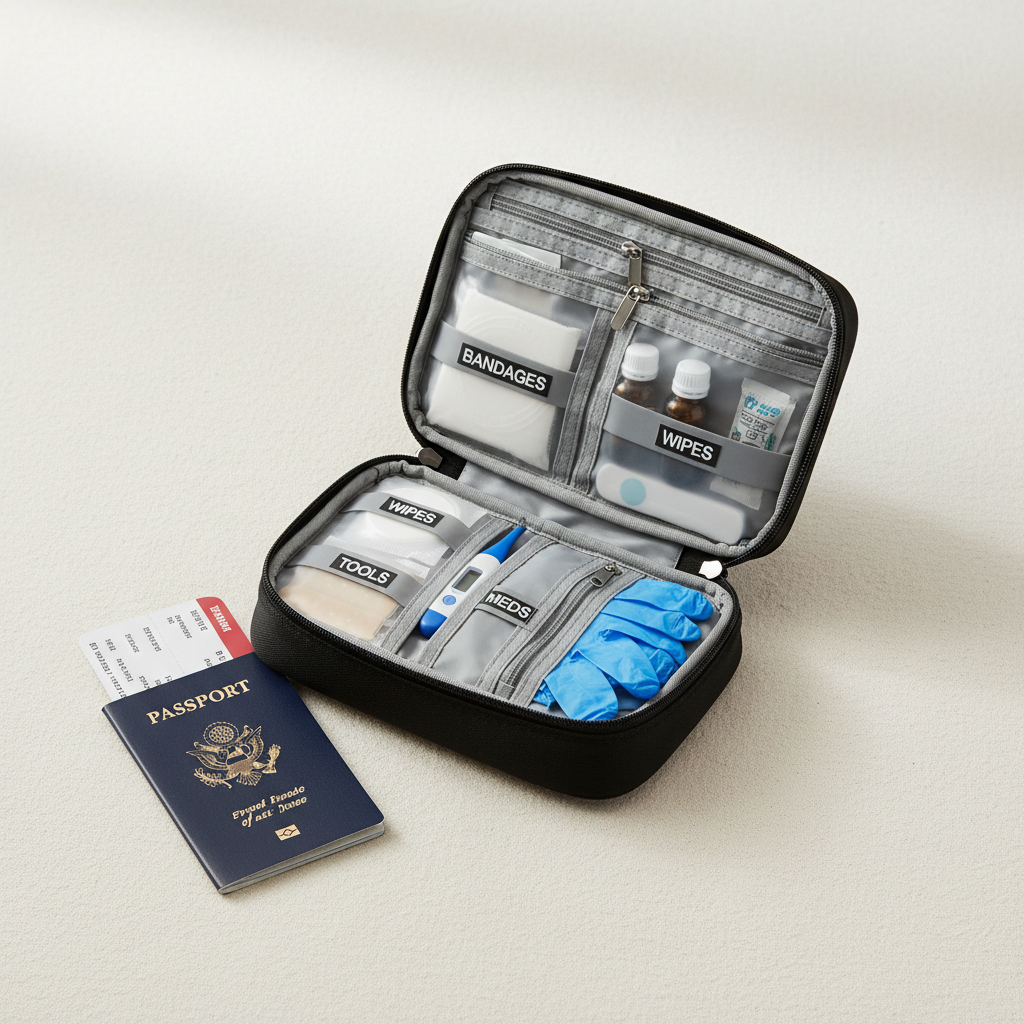
Quick self-check: do you need a basic kit, a kid-focused kit, or a “hybrid”?
If you’re unsure what to buy, this checklist gets you to a good answer fast.
- Kids under 6? You’ll usually want a kid-focused kit plus a couple adult items.
- Known allergies? Build around an allergy plan and clear instructions.
- Multiple destinations? Hybrid kit with modular pouches (daypack mini + main kit).
- You tend to treat minor issues on the spot? More consumables and duplicates.
- You hate clutter? Buy a slim organizer, then add only the essentials you know you use.
A lot of families end up happiest with a “hybrid”: one main bag in luggage or car, and a small grab-and-go mini kit that lives in the daypack.
What to stock: a practical family packing list (with notes that matter)
This is the part people want to copy-paste, so here’s a realistic baseline. Exact choices vary by age, medical history, and where you travel, and it’s worth checking with a clinician if your child has complex needs.
Wound care (the stuff you’ll use most)
- Assorted adhesive bandages, including small kid sizes and knuckle/fingertip shapes
- Sterile gauze pads and medical tape (tape often outperforms “big bandages”)
- Antiseptic wipes or spray you tolerate well
- Small tube of antibiotic ointment (if appropriate for your family)
- Blister bandages for lots of walking
Tools and protection
- Tweezers with a sharp grip
- Small scissors (rounded tip if possible)
- Nitrile gloves
- Digital thermometer
- Saline wipes or small saline bottle for gentle cleaning
Comfort and symptom support
- Oral rehydration packets for stomach bugs or heat
- Instant cold pack (great for bumps and bruises)
- Kids’ and adults’ pain/fever meds you already know how to dose, with dosing tool
- Antihistamine options as appropriate, especially for seasonal reactions
Documentation and “panic reducers”
- A small card with weights, allergies, regular meds, and emergency contacts
- Insurance info, local urgent care location (saved offline if possible)
- Any prescribed emergency meds, stored per label instructions
According to the U.S. Food and Drug Administration (FDA)... you should follow Drug Facts labels and dosing directions, and for children that typically means dosing by weight, not just age. When in doubt, a pharmacist or pediatric clinician can help you confirm what’s appropriate.
A simple comparison table: what most pre-made kits miss
Pre-made kits can be a solid base, but families often need to patch the gaps. Here’s a quick way to evaluate any kit before you click “buy.”
| Category | Often included | Often missing for families | What to do |
|---|---|---|---|
| Bandages | Basic strips | Kid sizes, waterproof, blister care | Add a small variety pack you trust |
| Antiseptics | Alcohol pads | Gentler options, enough quantity | Add wipes/saline for sensitive skin |
| Tools | Cheap tweezers | Accurate thermometer, good scissors | Upgrade 2-3 key tools |
| Medications | Sometimes none | Kid-appropriate dosing tools, allergy plan | Build a small “family meds” module |
| Organization | One big pouch | Fast access under stress | Choose labeled compartments or DIY labels |
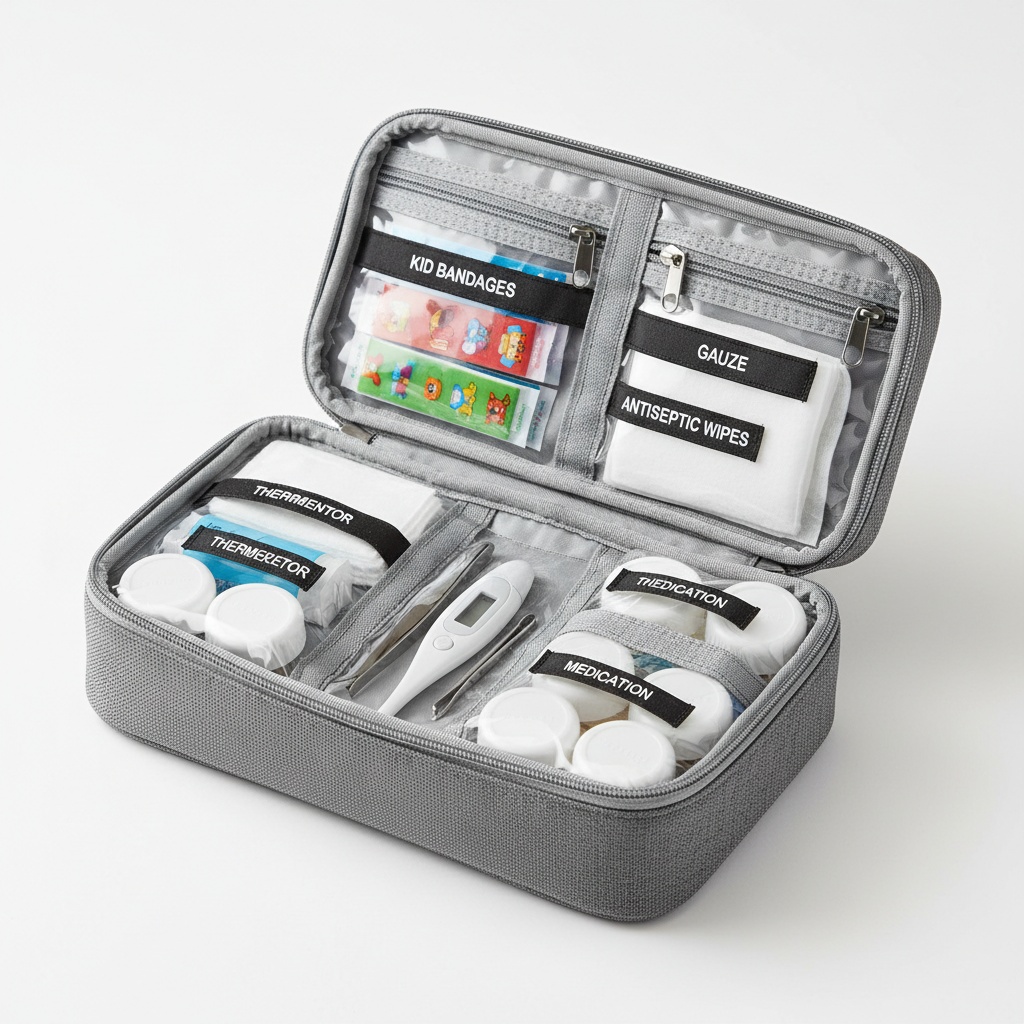
How to build a “family-ready” kit in 20 minutes (without overthinking)
If you want the best travel first aid kit for family travel, the fastest path is usually: start with a decent organizer, then add a short list of family-specific items. Here’s a process that stays manageable.
- Step 1: Pick the container first, ideally with compartments and a quick-open zipper.
- Step 2: Stock wound care and tools, because those get used most and don’t depend on age as much.
- Step 3: Add a mini “meds pouch” with dosing tool and a printed dosing note, keep it separate to avoid rummaging.
- Step 4: Add your destination module: beach blister care, hiking tools, or flight-friendly minis.
- Step 5: Do a one-minute drill: can you grab a wipe, a bandage, and tweezers in the dark?
One small tip that saves real time: place the 5 most-used items in the same spot every trip, even after restocking. Muscle memory matters when a kid is upset.
Safety notes and common mistakes (where families get burned)
With health and safety topics, it’s easy to slip into “more is better.” In reality, too much gear can create confusion, and some items can cause problems if used incorrectly.
- Expired meds and dried-out wipes: Put a quarterly calendar reminder to check dates, especially before summer travel.
- Mixing adult and kid dosing tools: Keep syringes and cups labeled, and avoid guessing doses.
- Assuming a pre-made kit covers allergies: Many don’t, and your plan may involve prescribed medication and a clinician’s guidance.
- Not thinking about heat: Cars and beach bags get hot, which can affect certain products. Follow storage guidance on labels.
- Skipping instructions: If you carry a wrap bandage, blister dressings, or any special item, include a short instruction card.
According to the American Academy of Pediatrics... medication safety and correct dosing are key issues for children, and families should use proper measuring devices and guidance from health professionals when unsure.
When you should get professional help (instead of DIY first aid)
A travel kit helps with minor problems and early response, it does not replace medical care. If any of these happen, it’s usually smarter to seek urgent care or emergency services, and if you’re unsure, call a medical professional for guidance.
- Breathing trouble, swelling of face/lips, or signs of a severe allergic reaction
- Head injury with concerning symptoms, repeated vomiting, or unusual sleepiness
- Deep cuts that won’t stop bleeding, or wounds that may need stitches
- High fever in very young children, or fever with a stiff neck, rash, or dehydration signs
- Suspected broken bones, severe pain, or inability to bear weight
If you travel internationally or your child has complex medical needs, consider asking your clinician about a travel plan and any destination-specific precautions.
Key takeaways and a practical next step
Picking the best travel first aid kit for family trips is less about chasing a “top-rated” box and more about building a kit you can use quickly, then keeping it fresh. A smart kit covers common issues, stays organized, and matches your destination.
If you do one thing today, run a five-minute inventory: check bandages, wipes, thermometer batteries, and any time-sensitive medications, then decide whether your daypack needs a mini kit separate from the main one.
Friendly reminder: this article offers general information, not medical advice, and for medication choices or allergy plans it’s wise to consult a pediatric clinician or pharmacist.